Understanding the Vietnam address format is more useful than many travelers expect. It helps you find hotels, restaurants, local homes, offices, and pickup points more easily. It also reduces confusion when booking transport, receiving deliveries, filling out forms, or checking locations on Google Maps.
At first glance, Vietnamese addresses can look complicated because of alley numbers, slashes, wards, and older district references. The system became even more confusing after Vietnam’s administrative reform took effect on July 1, 2025, when the country moved to a two-tier local government model and removed district-level administration from the official structure. Vietnam also reduced its provincial-level units from 63 to 34.
The good news is that once you understand the basic structure, reading and writing addresses in Vietnam will become much easier. This guide explains the standard structure, common address features, real examples, postal codes, common mistakes, and the key 2025 update you should know.
The standard Vietnam address format is usually written from the smallest unit to the largest unit:
For example:
However, after the administrative reform that took effect on July 1, 2025, district-level units were removed from the official administrative model. That means newer official address formatting may omit the district and use a simpler structure such as:
In practice, you may still see district names in older documents, hotel listings, map entries, booking platforms, and user-submitted addresses. That is partly because older registered addresses can still remain in use in some records and certificates rather than being updated immediately.
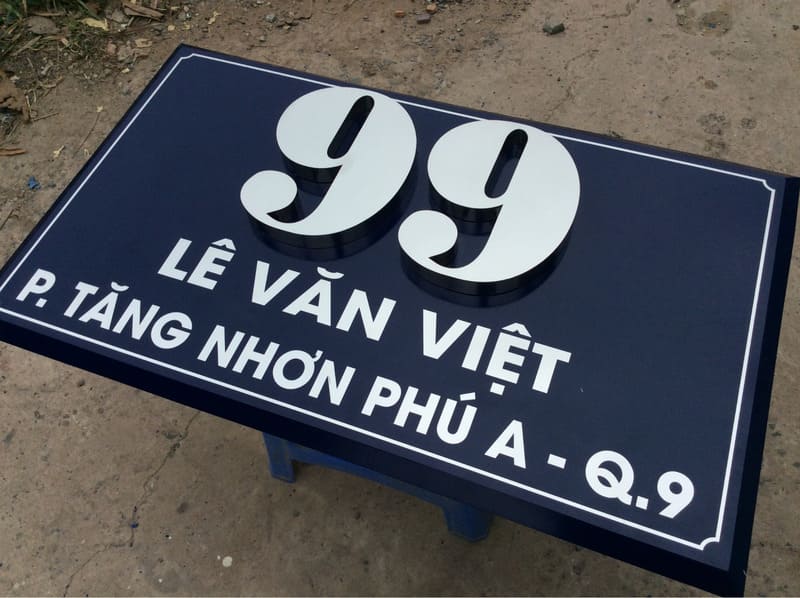
Vietnamese addresses are usually written from the most specific part to the broadest part (Source: Collected)
To read a Vietnamese address correctly, it helps to understand what each part means.
The first part is usually the house number, building number, or apartment number. This can be a simple number such as 12 or 48, but it can also include letters or slashes such as 12A or 90/19/5.
In apartment buildings, the address may also include the apartment number, floor, block, or building name instead of a standard house number.
After the house number comes the street name. In English, this is usually written as:
In Vietnamese, the street label may appear before the name, such as đường Lê Lợi.
This is the local sub-area within a city or province.
This part matters because many streets or similar house numbers can appear in more than one area.
Traditionally, urban addresses included a district such as District 1 in Ho Chi Minh City or Dong Da District in Hanoi. Rural addresses often used district-level units as well.
After the 2025 administrative reform, district-level administration was removed from the official model nationwide. Still, district names may continue to appear in many practical contexts, especially in older addresses, map listings, delivery notes, and archived records.
This is the broader administrative area, such as:
This part is essential because it distinguishes places with similar street names in different parts of the country.
Vietnam uses a 5-digit postal code system. Vietnam Post also notes that the first five characters of its Vpostcode system are the national postal code.
Postal codes are especially useful for shipping, logistics, forms, and business records. Common city-level codes often used as general references include 100000 for Hanoi and 700000 for Ho Chi Minh City.
One of the biggest changes affecting Vietnamese addresses is the administrative reform that took effect on July 1, 2025. Vietnam restructured local government into a two-tier model and eliminated district-level administration. The country also reduced its provincial-level administrative units from 63 to 34.
This affects how addresses are presented in official contexts.
For everyday use, both formats may still appear. Businesses were also allowed to continue using their existing Enterprise Registration Certificates, and there was no mandatory requirement to update registered addresses solely because of the boundary changes.
For travelers, this means you should not be surprised if one source includes a district while another does not. When checking an address, focus on the most important identifying details first: house number, street name, ward or commune, and city or province.
Vietnamese addresses have several features that often confuse first-time visitors.
Many homes, guesthouses, cafes, and local businesses are not directly on the main road. They are located inside alleys, known in Vietnamese as hẻm in the south and often ngõ in the north.
This is why some addresses include multiple layers of numbers.
For example:
This usually means:
The more slashes there are, the deeper the location usually is.
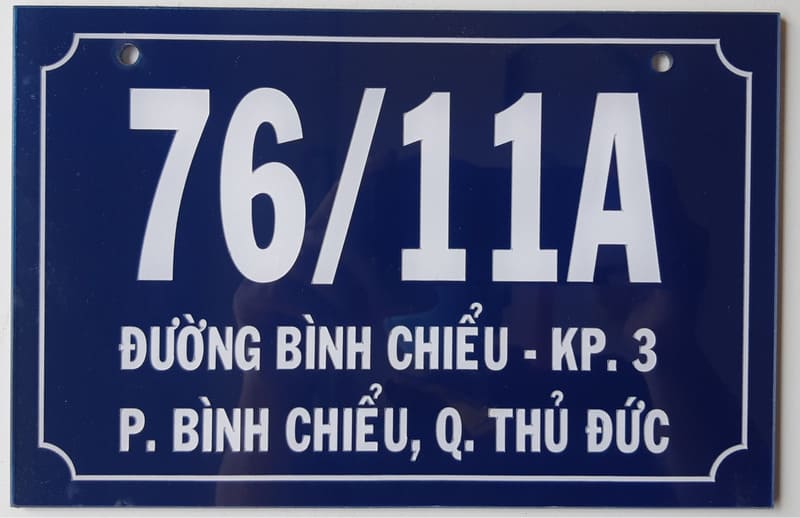
Many Vietnamese homes and businesses are located inside alleys rather than directly on the main street (Source: Collected)
Slashes are a practical way to show where a building sits within the alley network. They are very common in large cities, especially Ho Chi Minh City and Hanoi.
If you leave out one number when entering an address, you may end up at the wrong house or even the wrong alley.
Some addresses include letters such as 12A, 12B, or 25C. These usually help distinguish properties that share the same base number.
In Ho Chi Minh City, you may also see Bis, such as 100 Bis. This comes from French and generally indicates a repeated number or a nearby additional property with the same base number.
In many urban areas, one side of the street uses odd numbers and the other side uses even numbers. This is not unique to Vietnam, but it is useful when searching on foot. If the number you need is even, stay on the even-numbered side of the street.
Vietnamese streets are often named after historical figures, major events, or well-known national heroes. Because of that, the same street name can appear in multiple places.
That means the ward and city matter a lot, and in many older addresses the district matters too. Without those details, you may end up at the wrong location.
Once you know the structure, Vietnamese addresses become much easier to decode.
Read from left to right, starting with the most specific location and moving outward.
Take this example:
You can interpret it as:
This small-to-large order is one of the key patterns to remember.
For local use inside Vietnam, the address is typically written in the natural Vietnamese order from specific to general:
Example:
If the address is inside an alley, keep the slash numbers exactly as they appear.
For international shipments, clarity matters more than strict local style. A practical format is:
Including the recipient’s phone number is also helpful because many couriers in Vietnam contact the receiver before delivery. Using the postal code can improve delivery accuracy, especially for logistics and e-commerce.
Here are some common address types you may see in real life.
Urban address example:
This is a straightforward city address on a main street. In older formatting, it may also include a district.
Alley address example:
This example shows a house located inside a branch alley system. These addresses are common in large cities and can be difficult to find if you miss one part of the number.
Rural address example:
Rural addresses can look quite different from urban ones. In some areas, you may see hamlet names, communes, village names, or local clusters rather than a precise street number and street name.
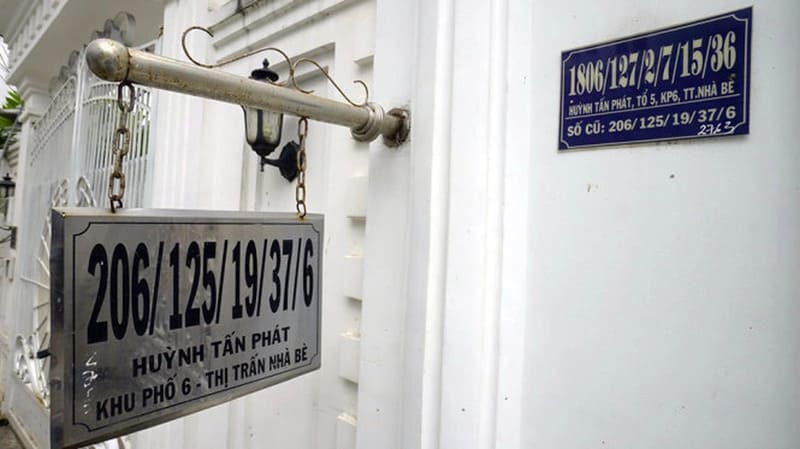
Vietnamese addresses can look very different in urban and rural areas (Source: Collected)
One thing that often causes confusion is that Vietnamese and English presentations of the same address may look different.
Vietnamese style:
English style:
A few useful rules:
For maps and local ride-hailing apps, the Vietnamese version often works best. For international shipping or overseas forms, an English version without diacritics is usually easier to process.
Vietnam currently uses 5-digit postal codes. Vietnam Post states that the first five characters in its Vpostcode system are the national postal code, and postal-code references for Vietnam also describe the national format as five digits.
In many everyday situations inside Vietnam, you may not need a postal code to find a place. However, it is highly recommended when:
Commonly used city-level references include:
If you need a precise postal code for a specific area, it is best to check Vietnam Post’s postal tools or the national postal code search service.
Even when the address looks complete, small errors can still cause major confusion.
A few practical habits can make Vietnamese addresses much easier to use.
Understanding local navigation and address systems is also part of planning smarter travel, especially alongside other practical Vietnam travel tips for transportation, communication, and daily logistics.
The common format is:
After July 1, 2025, official address usage may omit the district because district-level administration was removed from the national administrative model.
A slash usually shows that the property is inside an alley or sub-alley. Multiple slashes usually mean the address is deeper inside the alley system.
Not always for everyday navigation, but yes for mailing, shipping, logistics, and many online forms. Vietnam uses a 5-digit postal code system.
Check the full written address, compare it on Google Maps, confirm the ward or commune, and ask the property owner or business to send a location pin. For postal accuracy, use Vietnam Post or the national postal code search tools.
Yes. The same street name can appear in different areas, so you should always check the ward, city, and any older district reference if available.
Officially, Vietnam moved to a two-tier administrative structure from July 1, 2025, and district-level administration was removed. Still, district names may continue to appear in older records, business documents, listings, and everyday usage.
The Vietnam address format can seem confusing at first, but the basic logic is actually straightforward. Start with the smallest unit, pay close attention to alley numbers, and always check the ward or commune and city or province.
Once you understand how the structure works, it becomes much easier to read maps, enter addresses correctly, find hotels or restaurants, and avoid delivery mistakes. For travelers, expats, and anyone planning a trip, learning this small but practical detail can make moving around Vietnam far smoother.






 Vietnam Tours
 Cambodia Tours
 Laos Tours
 Thailand Tours
 Multi-Country Tours