Ham Rong Mountain Sapa is one of the most accessible viewpoints in Sapa, located just behind Sapa Stone Church and only a short walk from the town center. Known for its flower gardens, orchid collections, stone paths, cultural performances, and panoramic views over Sapa town, this mountain is a convenient stop for travelers who want a light hiking experience without going far from the center.
In this guide, Your Vietnam Travel covers the essential information you need before visiting Ham Rong Mountain, including ticket prices, opening hours, how to get there, top attractions, best time to visit, and practical travel tips.
Ham Rong Mountain is located in the center of Sapa Town, Lao Cai Province, northern Vietnam. The entrance is just behind Sapa Stone Church, one of the most recognizable landmarks in town. From the central square, visitors can walk to the foot of the mountain within a few minutes.
The mountain belongs to the Hoang Lien Son Range, the same mountain system that includes Fansipan, the highest peak in Vietnam. Because of its central location, Ham Rong Mountain offers one of the most accessible viewpoints in Sapa. From higher viewpoints such as Cloud Yard and Sapa Telecommunications Station, visitors can see Sapa town, the surrounding valleys, Fansipan, and the layered mountains of northwest Vietnam.
Ham Rong is often described as a “mountain inside the town” because visitors do not need to travel far, hire a motorbike, or join a full-day tour. It is a practical choice if you have limited time in Sapa or want to add a scenic activity before visiting Cat Cat Village, Muong Hoa Valley, or Sapa Night Market.
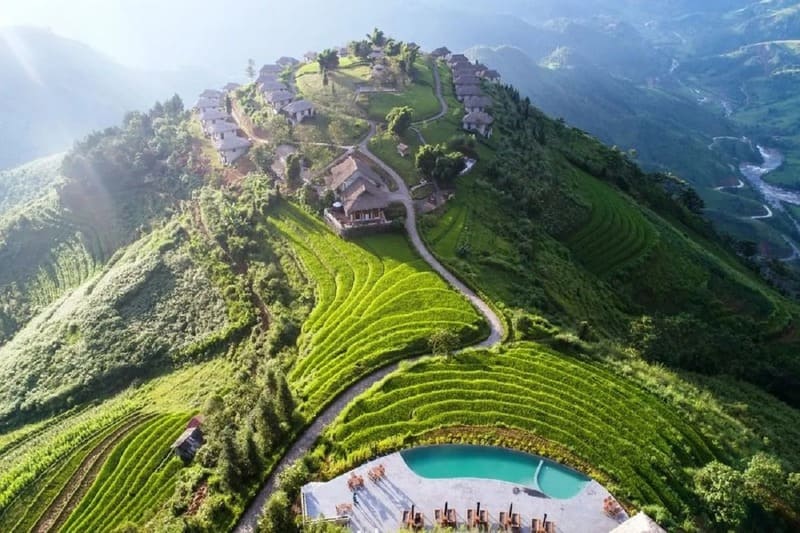
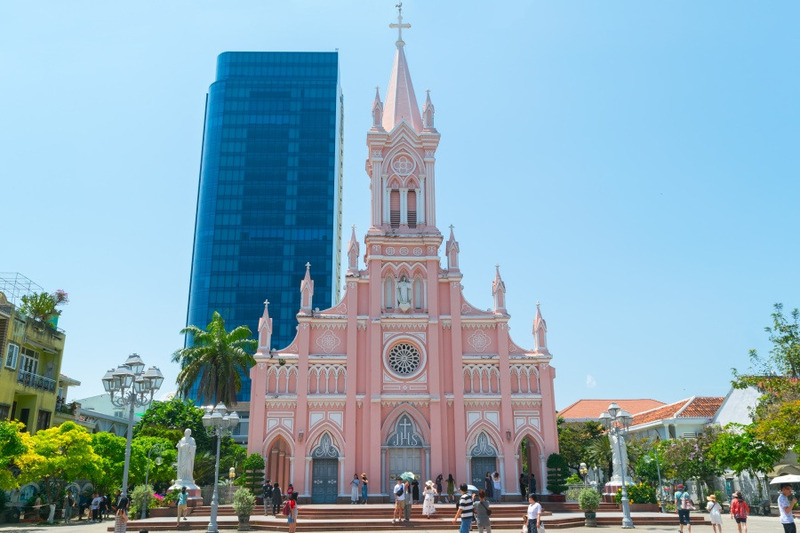
Ham Rong Mountain is just behind Sapa Stone Church (Source: Collected)
The entrance fee to Ham Rong Mountain is usually around:
Opening hours are commonly from around 6:30 AM or 7:00 AM to 5:30 PM or 6:00 PM. However, ticket prices and operating hours may change during holidays, festivals, or management updates, so it is best to check at the ticket counter before entering.
The ticket includes access to the main walking route, flower gardens, stone garden, viewpoints, and cultural performance areas inside the Ham Rong Mountain Tourist Area. Food, drinks, souvenirs, or other personal expenses are not included.
Ham Rong Mountain is very easy to reach from Sapa town center. The simplest route is to walk toward Sapa Stone Church, then follow the road behind the church to the entrance area.
“Ham Rong” means “Dragon Jaw” in Vietnamese. The mountain gets its name from its distinctive shape, which is said to resemble the head or jaw of a dragon rising toward the sky.
One popular local legend tells the story of a dragon couple who were separated by a great flood. The male dragon managed to fly away, while the female dragon was trapped on earth. She waited for her partner and eventually turned into stone, with her head facing the Hoang Lien Son Range. Over time, the stone shape became known as Ham Rong Mountain.
Another version tells of three dragon brothers who were late in claiming their territory when the world was being divided among living creatures. When time ran out, they turned into stone. The youngest dragon became Ham Rong Mountain, while the other two became nearby mountain ranges.
These legends give Ham Rong Mountain a romantic and mythical character. For local people and visitors, the mountain is more than a viewpoint. It is also a cultural symbol connected with Sapa’s landscape, folklore, and ethnic minority traditions.
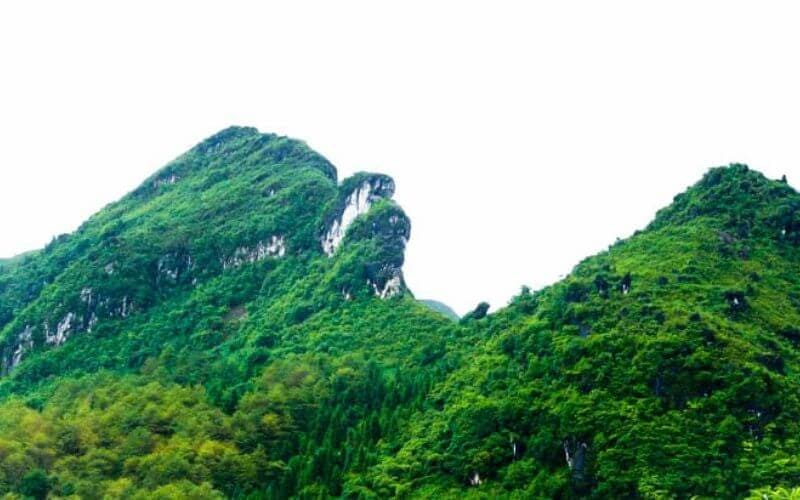
The dragon-shaped mountain behind Sapa town (Source: Collected)
Ham Rong Mountain is not a wilderness trek. It is a landscaped mountain tourist area with stone steps, gardens, viewpoints, cultural spaces, and resting spots. The main route is easy to follow, but it involves steady uphill walking, so comfortable shoes are important.
Ham Rong Flower Garden is one of the first highlights visitors see after entering the tourist area. The garden is arranged along the natural slope of the mountain, with stone paths, flower beds, decorative landscapes, and viewpoints overlooking Sapa town.
The central flower garden is famous for colorful blooms arranged in decorative patterns, including the word “SAPA” in some landscaped areas. Depending on the season, visitors may see roses, hydrangeas, dahlias, geraniums, azaleas, peach blossoms, cherry blossoms, and other flowers suited to Sapa’s cool mountain climate.
This garden is especially beautiful in spring, when peach blossoms and other seasonal flowers brighten the mountain slopes. It is also one of the easiest areas to access, making it suitable for visitors who do not want to climb all the way to the highest viewpoints.
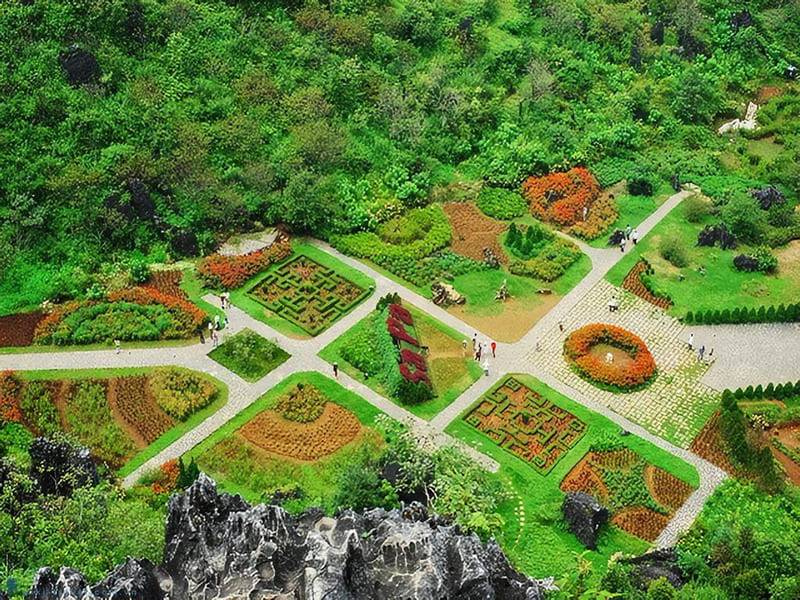
Colorful flower gardens on Ham Rong Mountain (Source: Collected)
The Orchid Garden is another signature attraction of Ham Rong Mountain. Sapa’s cool and humid climate creates favorable conditions for orchids, and the garden displays many varieties in different colors, shapes, and blooming seasons.
Visitors can walk along stone paths and stairs while seeing orchids arranged beside the mountain slopes. The garden is attractive for close-up photography, especially after light rain or in the morning when mist adds a soft atmosphere to the flowers.
The Orchid Garden is also a good place to slow down before continuing uphill. Many travelers spend extra time here because it feels quieter and more shaded than the open viewpoints.
Thach Lam Stone Garden is one of the most unique areas inside Ham Rong Mountain. It features natural rock formations arranged like a maze of stone walls, cliffs, and narrow passages. Many rocks have sharp, layered shapes that are often associated with dragon scales, dragon claws, or the spine of the mythical dragon in local legends.
This area gives Ham Rong a different atmosphere from the flower gardens. Instead of bright colors, visitors see rugged stones, mossy surfaces, and narrow paths that feel more mysterious and natural. It is a good place for photos, but the surfaces can be slippery after rain, so walk carefully and avoid climbing unsafe rocks.
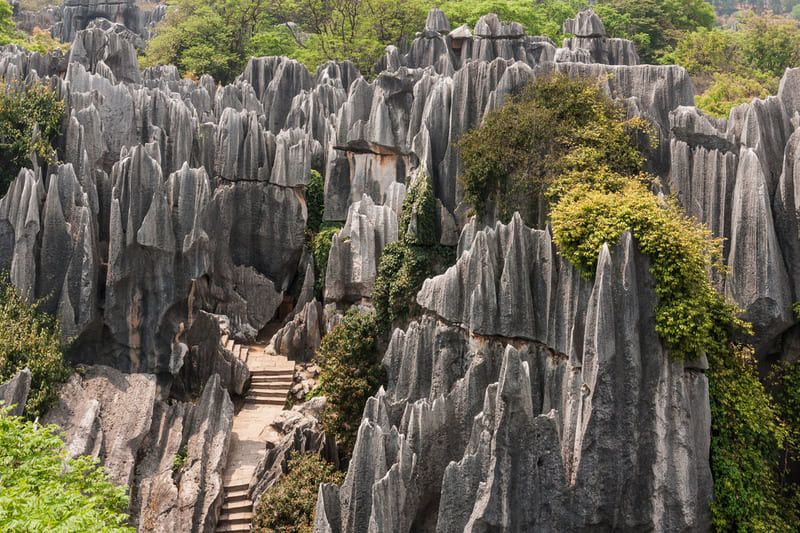
Jagged rock formations in Thach Lam Stone Garden (Source: Collected)
The Zodiac and Statue Gardens add a playful touch to the walking route. These areas feature statues representing the twelve zodiac animals, along with decorative sculptures placed among flowers and landscaped paths.
Families with children often enjoy this part of Ham Rong Mountain because the statues make the route more interactive and photo-friendly. The gardens are also a comfortable stop before the steeper sections of the climb.
Although these areas are not as dramatic as Cloud Yard or Heaven Gate, they help make Ham Rong Mountain suitable for different types of visitors, from photographers to families and casual walkers.
Heaven Gate inside Ham Rong Mountain is a scenic viewpoint along the upper walking route. It should not be confused with O Quy Ho Heaven Gate, which is a separate attraction located farther from Sapa on the way to Lai Chau.
At Ham Rong’s Heaven Gate, visitors can enjoy open views of the mountains, valleys, and town below. The stone paths and rocky surroundings also create a dramatic setting for photos. On clear days, the viewpoint offers a wide perspective of Sapa’s highland landscape, with mountains rising behind the town.
This is one of the best stops before continuing toward Cloud Yard. If the weather is foggy, visibility may be limited, but the mist can create a more atmospheric mountain scene.
Cloud Yard, or San May, is the most famous viewpoint on Ham Rong Mountain. It is one of the highest accessible points inside the tourist area and offers a broad view over Sapa town, the Hoang Lien Son Range, and the surrounding valleys.
As the name suggests, Cloud Yard is popular for cloud hunting. In the right weather conditions, clouds and mist drift across the mountain slopes, sometimes sitting below the viewpoint and creating the feeling of standing above a sea of clouds.
The best time for cloud hunting is usually early morning or late afternoon, especially from October to December when cool air and changing temperatures often create layers of mist. However, cloud hunting always depends on weather conditions, so it is never guaranteed.
Even without clouds, Cloud Yard is still worth visiting for the panoramic view. It is one of the best places in Sapa town to take wide landscape photos without traveling far.
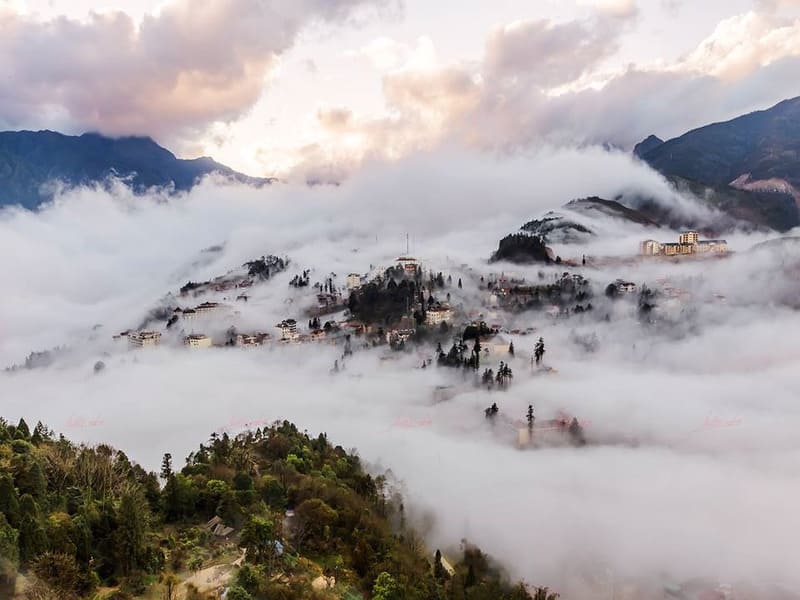
Cloud Yard offers wide views over Sapa (Source: Collected)
Sapa Telecommunications Station is another important viewpoint on Ham Rong Mountain. From this area, visitors can see the Hoang Lien Son Range and, on clear days, Fansipan Peak, known as the “Roof of Indochina.”
This stop is valuable because it gives visitors a wider understanding of Sapa’s mountain geography. You can see how the town sits among high ridges, deep valleys, and cloud-covered slopes. It is also a good alternative viewpoint if Cloud Yard is crowded.
For the best chance of seeing Fansipan, visit on a clear day after the fog has lifted. Visibility is often better in the dry season, especially from October to April.
Ham Rong Mountain is also known for cultural performances featuring local ethnic minority traditions. Depending on the schedule, visitors may see music, dancing, traditional costumes, and performances inspired by H’Mong and other highland communities around Sapa.
These performances help visitors experience a cultural side of Sapa without traveling to a village. They often include folk songs, bamboo flute music, group dances, and interactive moments where visitors can join simple dances.
Performance schedules may change depending on the day, season, and visitor numbers. If this experience is important to you, ask at the ticket counter or check with local staff when you arrive.
Ham Rong Mountain can be visited throughout the year, but each season offers a different experience, from blooming flower gardens and clear mountain views to cloud-filled landscapes and winter mist.
For a more detailed overview of seasonal weather, rice terrace scenery, and travel conditions, check out our guide to the best time to visit Sapa.
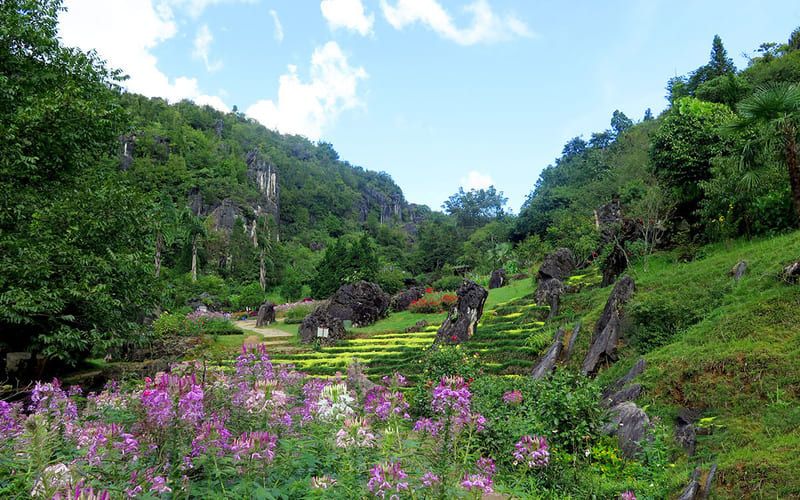
Spring flowers brighten the slopes of Ham Rong Mountain (Source: Collected)
A few simple tips can help you enjoy Ham Rong Mountain more comfortably and make the most of the viewpoints and gardens.
Most visitors spend about 1.5 to 3 hours at Ham Rong Mountain. If you only visit the lower gardens and take a few photos, 60 - 90 minutes may be enough. If you want to reach Cloud Yard, stop at different gardens, watch a cultural performance, and take photos, plan around 2 - 3 hours.
Ham Rong Mountain is an easy to moderate hike. The route is mostly stone steps and paved paths, so it does not require trekking experience. However, there are many uphill sections, and the climb can feel tiring for visitors who are not used to walking. Take breaks along the way and avoid rushing.
Yes, you can visit Ham Rong Mountain without a guide. The attraction is close to Sapa town center, and the walking route is easy to follow. A guide is only necessary if you want deeper explanations about local legends, ethnic culture, or if Ham Rong is part of a larger Sapa tour itinerary.
Ham Rong Mountain can be suitable for children and active elderly visitors, especially the lower sections such as the flower gardens and statue areas. However, reaching Cloud Yard requires climbing many steps, so it may be challenging for visitors with knee problems, limited mobility, or low stamina. Families can choose to visit only the easier sections if needed.
Yes, you can see Fansipan from Ham Rong Mountain on clear days, especially from higher viewpoints such as Sapa Telecommunications Station and Cloud Yard. Visibility depends on weather conditions. Fog, rain, or thick clouds may block the view, while dry-season mornings often offer better chances of seeing the Hoang Lien Son Range and Fansipan Peak.
Ham Rong Mountain Sapa is a convenient and rewarding attraction for travelers who want mountain views, flower gardens, light hiking, and cultural experiences close to the town center. With easy access from Sapa Stone Church, affordable tickets, and several viewpoints overlooking Sapa and the Hoang Lien Son Range, it is a worthwhile stop for most first-time visitors to Sapa.


 Vietnam Tours
 Cambodia Tours
 Laos Tours
 Thailand Tours
 Multi-Country Tours