The Vietnam Museum of Ethnology is one of the most insightful cultural attractions in Hanoi for travelers who want to explore the country beyond its famous landmarks. The museum offers visitors a clear introduction to Vietnam’s diverse ethnic communities and the traditions that shape daily life across the country.
In this guide, Your Vietnam Travel provides a detailed overview of the Vietnam Museum of Ethnology, including its location, opening hours, entrance fees, architectural design, key experiences, nearby attractions, and practical tips to help you plan your visit more easily.
The Vietnam Museum of Ethnology is one of Hanoi’s most important cultural institutions and a must-visit destination for travelers interested in the country’s rich diversity. The museum introduces visitors to Vietnam’s 54 officially recognized ethnic groups, presenting their traditions, daily life, and cultural heritage through thoughtfully curated exhibitions.
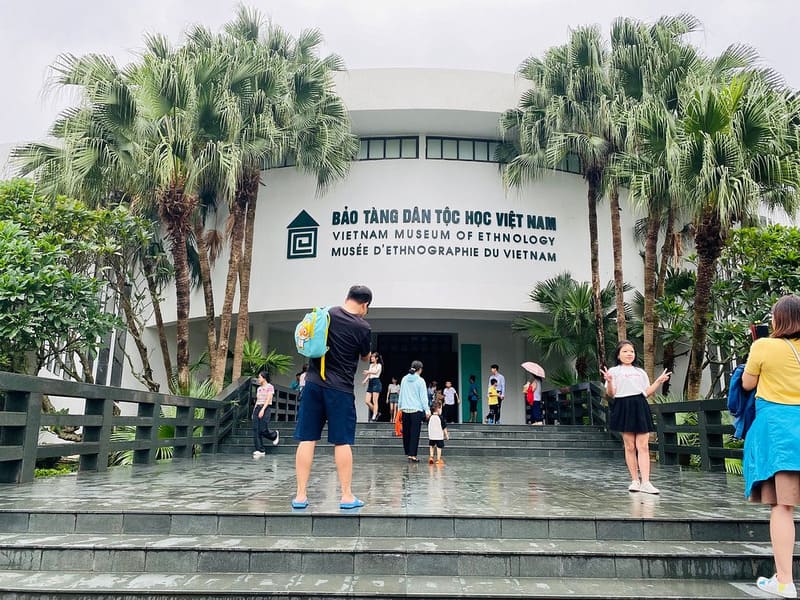
Opened to the public on 12 November 1997, the main exhibition building is designed in the shape of a Dong Son bronze drum, a powerful symbol of ancient Vietnamese civilization. The project was led by architect Ha Duc Linh, a member of the Tay ethnic group, while the interior exhibition design was developed by French architect Véronique Dollfus. This collaboration reflects the museum’s combination of Vietnamese cultural perspective and international museology.
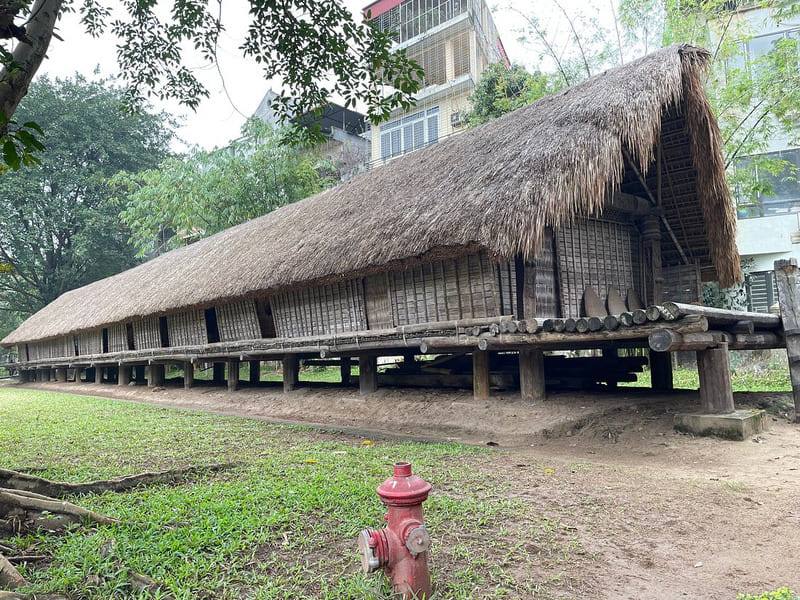
Beyond the indoor galleries, the museum is especially known for its open-air exhibition garden, where visitors can explore life-size reconstructions of traditional houses from different ethnic communities. These structures provide a deeper understanding of architecture, lifestyle, and environmental adaptation across Vietnam’s diverse regions.
 |
|
Long stilt house outside at the garden of Vietnam Museum of Ethnology (Source: Tripadvisor) |
The Vietnam Museum of Ethnology is located in Cau Giay District, about 7–8 kilometers west of Hanoi’s Old Quarter. The official address is 1 Nguyen Van Huyen Street, Nghia Do Ward, an area that is easy to reach from most parts of the city.
Travelers typically arrive by taxi or ride-hailing services, which provide the fastest and most convenient route. For those traveling on a budget, several Hanoi public bus routes also stop near the museum, including 07, 12, 38, and 39.
Travel tips:
Plans for a national museum dedicated to Vietnam’s ethnic diversity began in the late 1980s, during a period of increasing academic interest in cultural preservation. The institution was formally established in 1995, with the goal of researching, documenting, and presenting the traditions of the country’s many ethnic communities.
Two years later, the museum opened its doors to the public in 1997, coinciding with a major Francophone summit held in Hanoi. Since then, it has become one of the country’s leading research and exhibition centers focused on ethnology.
Today, the museum houses extensive collections that include traditional clothing, farming tools, musical instruments, ritual objects, and everyday household items. These artifacts help illustrate the cultural identity, craftsmanship, and spiritual practices of communities living throughout Vietnam’s mountains, highlands, and coastal regions.
 |
|
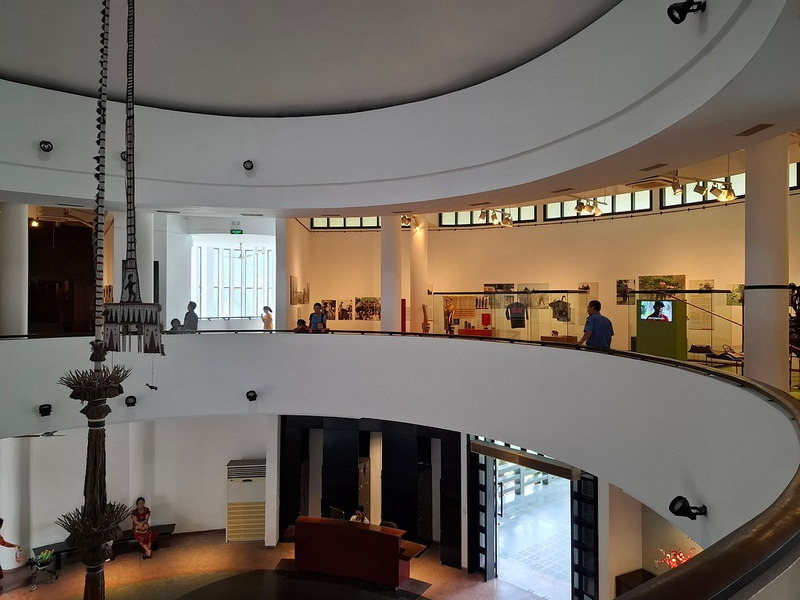
Guests exploring inside the Vietnam Museum of Ethnology (Source: Tripadvisor) |
The Vietnam Museum of Ethnology is generally open from 8:30 AM to 5:30 PM, and it is closed on Mondays as well as during the Lunar New Year (Tet) holiday.
The standard entrance fee is approximately 40,000 VND (about USD 1.5) per adult. Reduced ticket prices are available for students, children, and certain visitor categories. Guided tours and additional services may also be arranged on site.
Visitor notes:
The Vietnam Museum of Ethnology is carefully designed to guide visitors through the cultural diversity of Vietnam and the wider Southeast Asian region. The museum complex is organized into three main architectural areas: the Bronze Drum Building, the Kite Building, and the Outdoor Architecture Garden.
Each space highlights different aspects of culture, architecture, and daily life, creating a comprehensive journey through traditional lifestyles, craftsmanship, and community traditions.
The Bronze Drum Building serves as the central exhibition space of the museum. Designed by architect Ha Duc Linh, a member of the Tay ethnic group, the structure takes inspiration from the shape of the Dong Son bronze drum, one of the most important symbols of ancient Vietnamese civilization.
This two-storey building contains approximately 2,000 square meters of exhibition space dedicated to the cultures of Vietnam’s 54 officially recognized ethnic groups. The interior exhibition layout was developed by French designer Véronique Dollfus, blending Vietnamese cultural storytelling with international museum design.
Inside the galleries, visitors can explore collections that illustrate various aspects of ethnic life, including traditional clothing, agricultural tools, musical instruments, ritual objects, and household items. The exhibitions are arranged to help visitors understand how communities across Vietnam express their identity through daily practices, beliefs, and craftsmanship.
Highlights:
 |
|
Guests visiting the Bronze Drum Building at Vietnam Museum of Ethnology (Source: Tripadvisor) |
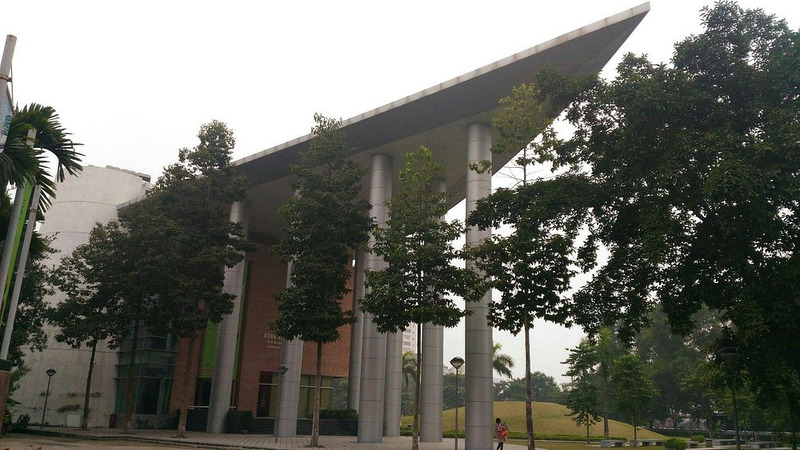
The Canh Dieu (Kite) Building is a newer addition to the museum complex. Opened in 2013, the building is designed in the shape of a traditional Vietnamese kite, symbolizing movement, creativity, and cultural exchange.
Rising four floors, this building expands the museum’s focus beyond Vietnam to explore cultures across Southeast Asia. Exhibitions here often include rotating thematic displays, multimedia presentations, and cultural comparisons between neighboring countries.
The Kite Building also houses research and conservation spaces used to preserve artifacts and support ongoing ethnographic studies.
Highlights:
 |
|
Kite building at Vietnam Museum of Ethnology (Source: Tripadvisor) |
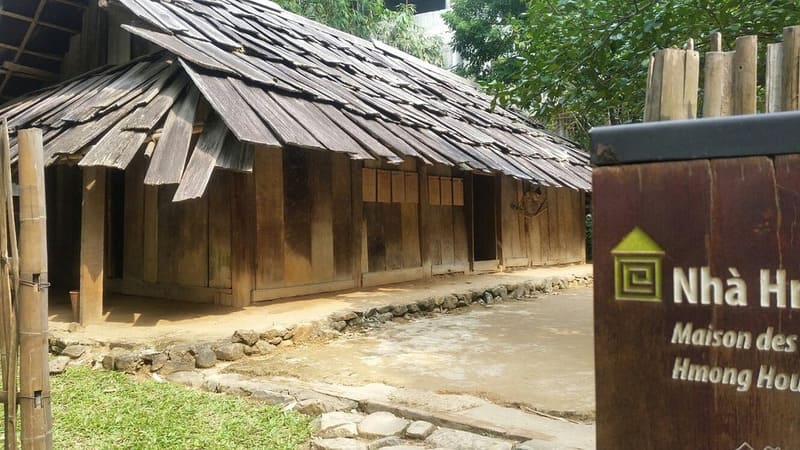
One of the most distinctive areas of the museum is the Outdoor Architecture Garden, where visitors can explore full-scale reconstructions of traditional houses from different ethnic communities.
The garden is arranged like a small village landscape, with walking paths, trees, and water features connecting the structures. These houses demonstrate how architecture reflects environmental conditions, local materials, and community traditions.
Among the notable structures are:
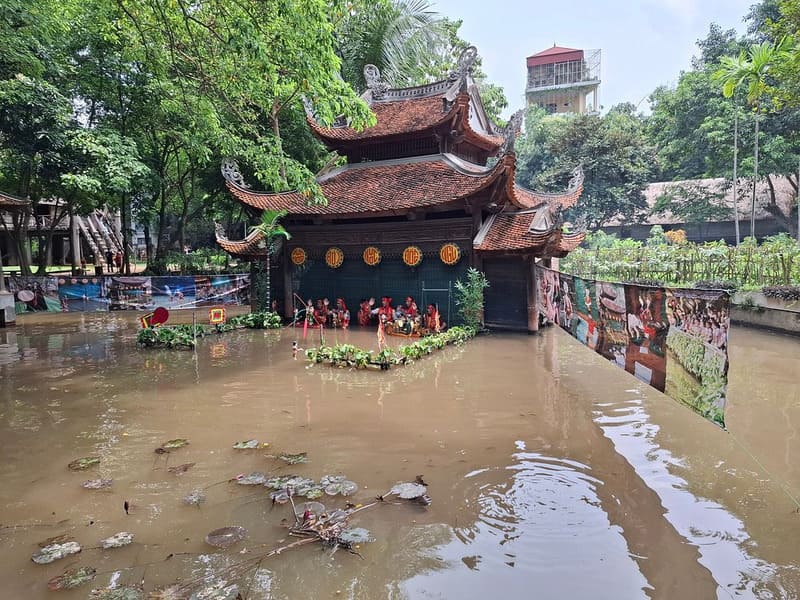
Many of these houses are furnished to show how families traditionally lived, worked, and organized their living spaces. The garden also occasionally hosts cultural performances such as folk music and water puppetry, offering visitors an interactive cultural experience.
Highlights:
Visitor tip: Plan 1.5 to 3 hours to explore all three areas comfortably. Visitors interested in architecture and craftsmanship may want to spend extra time in the outdoor garden to appreciate the construction techniques and cultural details of each traditional house.
 |
|
Hmong ethnic group’s house outside at Vietnam Museum of Ethnology (Source: Tripadvisor) |
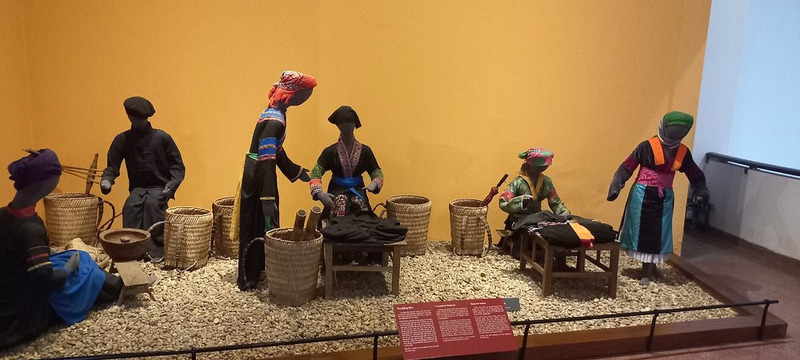
Inside the main exhibition buildings, the museum houses more than 15,000 artifacts representing the daily life and traditions of Vietnam’s 54 ethnic groups, including communities such as the Kinh, Tay, Hmong, Dao, Khmer, and Cham.
The displays include traditional clothing, textiles, jewelry, musical instruments, ritual objects, and household tools. Exhibitions are thoughtfully organized to explain how language, beliefs, social customs, and spiritual practices shape the identity of each community.
Documentary films, photographs, and explanatory panels help visitors better understand the cultural context behind these artifacts.
Travel tip: Visitors who enjoy detailed exhibitions should allow extra time to explore the galleries at a relaxed pace.
 |
|
A model of an ethnic group's daily life at Vietnam Museum of Ethnology (Source: Tripadvisor) |
The museum frequently hosts live cultural performances and educational activities, especially on weekends and during cultural festivals. These events highlight traditional art forms that remain important in Vietnamese communities.
Popular performances may include:
These programs provide an opportunity to experience living cultural traditions rather than simply observing artifacts.
Travel tip: Daily programs can vary, so it is helpful to check the schedule at the entrance or information desk when you arrive.
 |
|
Water puppet show at Vietnam Museum of Ethnology (Source: Tripadvisor) |
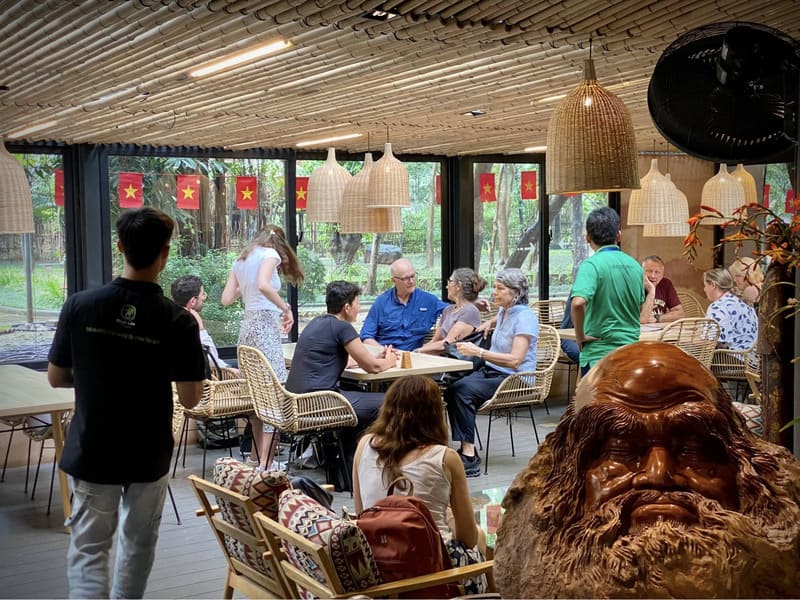
After exploring the galleries and outdoor exhibits, visitors can relax at the Truc Lam Restaurant and Café, located within the museum grounds. The café offers a convenient place to enjoy Vietnamese dishes, coffee, or light refreshments during the visit.
The restaurant’s atmosphere reflects the museum’s focus on traditional craftsmanship, making it a comfortable place to pause before continuing to explore the rest of the complex.
 |
|
Guests sharing stories at Truc Lam café inside the museum (Source: Trúc Lâm Coffee & Restaurant) |
Near the museum entrance, the Truc Lam Handmade shop offers a range of handcrafted souvenirs inspired by Vietnam’s ethnic cultures. Many of the items reflect the traditional designs and materials featured in the museum’s exhibitions.
Visitors can find products such as:
Purchasing from this shop helps support local craft traditions while providing meaningful souvenirs.
The Outdoor Architecture Garden is one of the museum’s highlights, featuring full-scale traditional houses from several ethnic communities. Visitors can walk through structures such as a Tay stilt house, a 42.5-meter Ede longhouse, a Bahnar communal house, as well as Cham, Viet (Kinh), Giarai, and Co Tu houses.
Many buildings are furnished to show how architecture reflects climate, materials, and everyday life. Surrounded by trees and small water features, the garden is also one of the most scenic and photogenic areas of the museum.
If you are planning a culture-focused itinerary in Hanoi, several interesting attractions are located within a short distance of the Vietnam Museum of Ethnology. These sites can easily be combined into the same day using a short taxi or ride-hailing trip.
A bit of preparation helps you enjoy the Vietnam Museum of Ethnology more comfortably. The following tips will help you plan a smooth visit.
The best time to visit the Vietnam Museum of Ethnology is in the morning or early afternoon, when the weather is cooler and the museum is less crowded. Visiting earlier in the day also allows more time to explore both the indoor galleries and the outdoor architecture garden comfortably.
Yes. The museum is very family-friendly, especially because of the Outdoor Architecture Garden, where children can walk through traditional houses and open spaces. Cultural performances and craft demonstrations also make the visit more engaging for younger visitors.
Photography is generally allowed in most exhibition areas for personal use. However, flash photography or professional equipment may be restricted in certain sections. Visitors should always follow the guidelines displayed inside the museum.
Yes. Guided tours are sometimes available at the museum and can provide deeper insight into the history, traditions, and daily life of Vietnam’s ethnic communities. Visitors can ask about guide services at the ticket counter or information desk upon arrival.
Unlike many historical museums in Hanoi, the Vietnam Museum of Ethnology focuses specifically on cultural diversity and ethnic traditions. Its combination of indoor exhibitions and full-scale traditional houses in the outdoor garden offers a more immersive experience of how different communities live and build their homes.
Yes. On certain weekends and special occasions, the museum hosts traditional performances such as water puppetry, folk singing, and craft demonstrations. These activities allow visitors to experience living cultural traditions alongside the museum’s permanent exhibitions.
Yes. The museum is often included in half-day or full-day cultural itineraries in Hanoi. Visitors frequently combine it with nearby sites such as the Ho Chi Minh Mausoleum, Presidential Palace Complex, and Hanoi Botanical Garden, or with a Hanoi city experience that explores the capital beyond the standard landmarks.
The Vietnam Museum of Ethnology offers valuable insight into Vietnam’s cultural diversity and ethnic traditions. Through its well-organized exhibitions and outdoor architecture garden, visitors can explore the lifestyles, craftsmanship, and heritage of communities across the country. It remains one of the most meaningful cultural attractions in Hanoi for travelers interested in Vietnam’s history and cultural diversity.
If you are planning to explore the capital beyond its well-known landmarks, the Vietnam Museum of Ethnology is a destination well worth adding to your itinerary. You can easily include it as part of a broader Vietnam travel itinerary, and Your Vietnam Travel can help you combine this site with other highlights of Hanoi in a journey tailored to your interests and schedule.




 Vietnam Tours
 Cambodia Tours
 Laos Tours
 Thailand Tours
 Multi-Country Tours