Summer can be a fantastic time to visit Vietnam, but the experience depends largely on where you travel. The country's diverse geography means weather conditions vary considerably between the north, central coast and south. This guide helps you understand regional weather, choose the best destinations and prepare for a smooth summer trip.
Summer in Vietnam generally lasts from May to August, although the season does not occur in the same way across the country.
Northern Vietnam follows a four-season climate more clearly than the other regions. Summer usually begins in May and continues through August, bringing high temperatures, humidity and frequent rain.
Central Vietnam enters its hottest and driest period from around May to August. This is often one of the best times for beach holidays in destinations such as Da Nang, Hoi An and Nha Trang. Toward the end of summer, tropical storms may begin to affect parts of the central coastline.
Southern Vietnam has a tropical climate defined mainly by dry and rainy seasons rather than four distinct seasons. The period from May to August falls within the rainy season, with warm temperatures and short but sometimes intense afternoon showers.
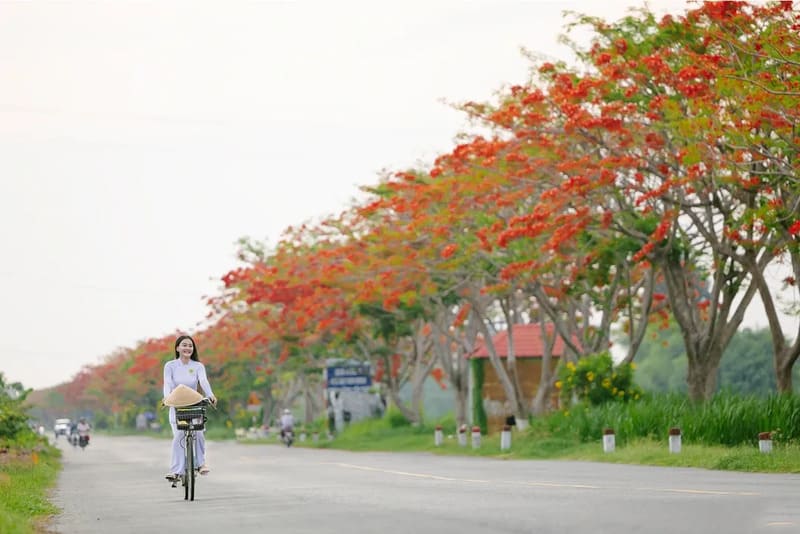
Summer brings different weather across Vietnam (Source: Collected)
Summer can be an excellent time to visit Vietnam, particularly for beach holidays, cruises, outdoor adventures and trips through the central region. Coastal destinations receive abundant sunshine, while northern mountains and highland areas offer greener scenery and cooler conditions than the major cities.
The season is especially suitable for travelers who enjoy:
Summer travel also comes with several challenges. Temperatures can exceed 35°C in Hanoi, Hue, Da Nang and other lowland cities. Humidity makes the heat feel more intense, while heavy rain may affect cruises, trekking routes, boat trips and domestic flights.
Vietnamese families also travel extensively during the school holiday period, especially from June to August. Beaches, theme parks, resorts and popular attractions can therefore become crowded on weekends and public holidays.
Summer is a good time to visit Vietnam when the itinerary matches regional weather patterns. Central Vietnam is generally the most reliable choice for sunshine and beaches during much of the season. Travelers visiting northern or southern Vietnam should retain some flexibility for rain, while trips to islands and bays should account for changing sea conditions.
If you're planning a trip across multiple regions, check our best time to visit Vietnam guide to choose the ideal season for your itinerary.
Vietnam stretches over 1,600 kilometers from north to south, creating significant differences in temperature, rainfall and humidity. The following table provides a general overview.
| Region | Typical Summer Temperature | General Conditions | Suitable Experiences | Main Considerations |
| Northern Vietnam | 27 - 37°C | Hot, humid and rainy, with occasional thunderstorms | Mountain retreats, rice terraces, cruises, cultural sightseeing | Heavy showers, heat in cities, and possible storm-related cruise changes |
| Central Vietnam | 28 - 38°C | Mostly hot and sunny during early and mid-summer | Beaches, heritage sites, island trips, and coastal road journeys | Strong sun, heatwaves, and increasing storm risk later in the season |
| Southern Vietnam | 25 - 34°C | Warm and humid with regular afternoon rain | City tours, river journeys, fruit orchards, and indoor attractions | Sudden downpours, rougher seas, and occasional flooding in urban areas |
Northern Vietnam is hot, humid and rainy from May to August, with daytime temperatures typically around 30 - 35°C and occasional heatwaves. Short but heavy afternoon thunderstorms are common, especially in June and July.
Cities such as Hanoi, Hai Phong and Ninh Binh can feel particularly hot because of high humidity, so outdoor sightseeing is best planned before 10 a.m. or after 4 p.m.
Mountain destinations including Sapa, Ha Giang, Mai Chau and Pu Luong are noticeably cooler. Summer brings lush rice terraces and fuller waterfalls, although rain can make trekking trails slippery and reduce visibility. In Ha Long Bay and Cat Ba, cruises may be delayed or canceled when tropical storms or rough seas occur.
For more destination ideas and itinerary inspiration, explore our Northern Vietnam travel guide.
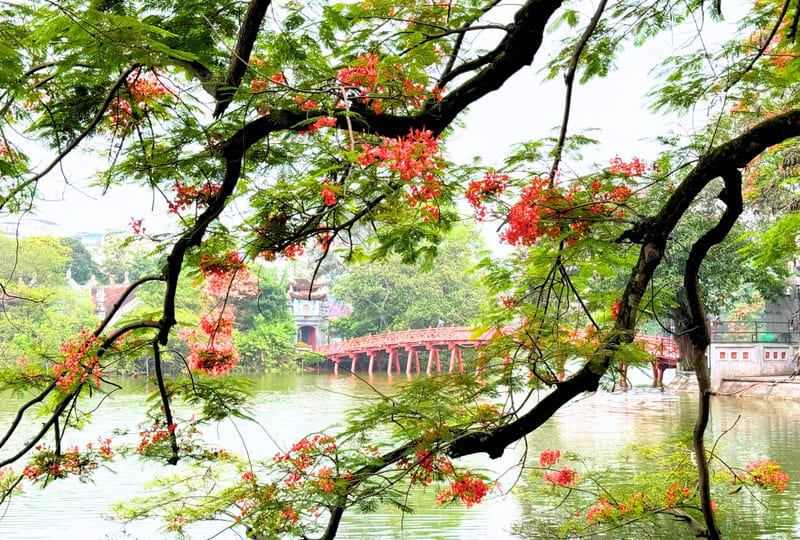
Northern Vietnam turns lush and green in summer (Source: Collected)
Central Vietnam is generally the driest and sunniest region during summer. From May to August, destinations such as Hue, Da Nang, Hoi An, Quy Nhon and Nha Trang enjoy long sunny days, making this the best region for beaches, island trips and outdoor activities.
Temperatures often exceed 35°C, particularly in Hue and inland areas. Visiting attractions such as the Hue Imperial City or My Son Sanctuary early in the morning helps avoid the midday heat.
By late August, rainfall and tropical storm activity gradually increase. Checking weather forecasts before cruises, island tours or water activities is recommended.
To discover the region's beaches, cultural landmarks and scenic attractions, check out our Central Vietnam travel guide.
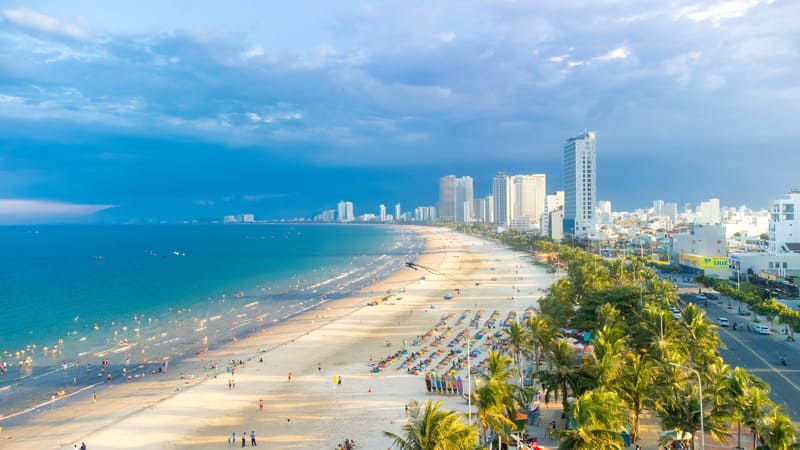
Sunny summer days along Vietnam’s central coast (Source: Collected)
Southern Vietnam experiences its rainy season from May to August, with temperatures typically ranging from 25 - 34°C. Sunny mornings are often followed by brief afternoon showers, although heavier rain can occasionally cause temporary flooding in Ho Chi Minh City.
Despite the rain, travel remains convenient with flexible itineraries. The Mekong Delta is especially attractive in summer thanks to its green landscapes, abundant waterways and seasonal tropical fruits.
Beach conditions are less predictable. Phu Quoc receives more rain and rougher seas during this period, which may affect snorkeling, island-hopping and boat tours. For travelers seeking more reliable beach weather, Central Vietnam is usually the better choice in summer.
For a complete overview of where to go and what to do, read our Southern Vietnam guide before planning your trip.
Vietnam offers everything from beaches and heritage cities to mountain landscapes and cave adventures. The destinations below are among the best choices for summer:
Ha Long Bay is ideal for cruising, kayaking, cave exploration and swimming among its iconic limestone islands. May and early June usually bring the most favorable conditions, while July and August have a higher chance of storms.
An overnight cruise offers a more relaxed experience than a day trip. Since bad weather may lead to cruise cancellations, choose operators with flexible policies and keep your itinerary adaptable.

Cruising through the stunning scenery of Ha Long Bay (Source: Collected)
Hue is a rewarding destination for travelers interested in imperial history, architecture and local cuisine. Summer days are hot, so visit the Imperial City in the morning, explore royal tombs later in the day and enjoy the Perfume River around sunset.
Don't miss local specialties such as bun bo Hue, banh beo and banh khoai, and remember to stay hydrated during outdoor sightseeing.
Summer is one of the best times to explore Hoi An, thanks to generally sunny weather from May to July. Visit the Ancient Town early, then spend the afternoon at An Bang Beach, Ha My Beach or the Cham Islands if sea conditions permit.
Cycling through rice fields, visiting Tra Que Vegetable Village and taking a basket boat ride in Bay Mau Coconut Forest are also popular experiences. Book accommodation and tours early during peak travel periods.
Da Nang combines beaches, city attractions and convenient access to Hoi An and Hue. My Khe Beach is perfect for swimming and sunrise walks, while Son Tra Peninsula, the Han River and illuminated bridges are best enjoyed in the evening.
Plan indoor attractions during the hottest hours, and visit Ba Na Hills or the Marble Mountains early or late in the day to avoid extreme heat.
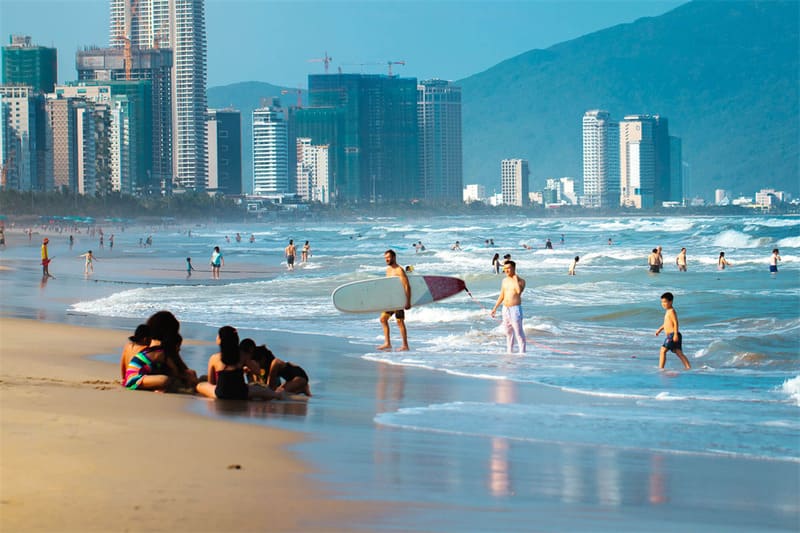
Da Nang is a favorite summer escape by the sea (Source: Collected)
With long sunny days and clear seas, Nha Trang is one of Vietnam's best summer beach destinations. Snorkeling, diving, island hopping and relaxing on the beach are the main highlights.
Beyond the coast, visitors can explore Po Nagar Cham Towers, Long Son Pagoda or the National Oceanographic Museum. Always book licensed boat tours and check sea conditions before joining water activities.
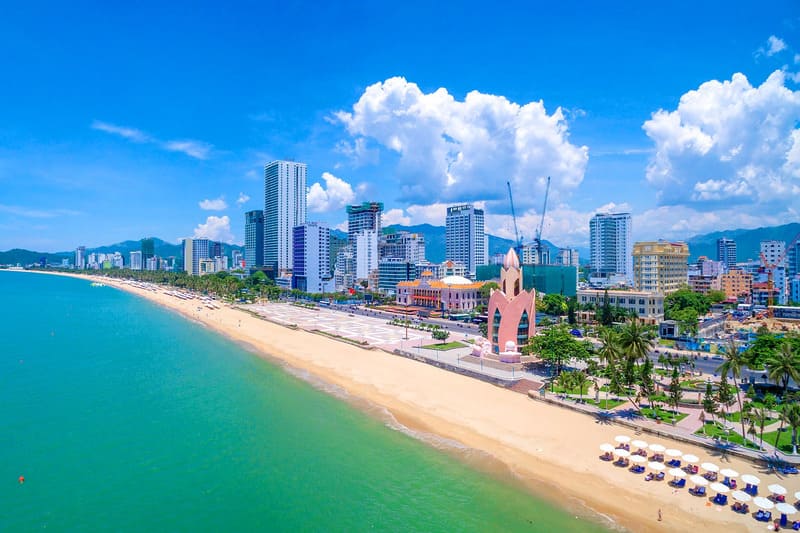
Clear blue waters make Nha Trang ideal for summer (Source: Collected)
For nature and adventure, Phong Nha - Ke Bang National Park offers spectacular caves, limestone mountains and underground rivers. Popular sites such as Phong Nha Cave and Paradise Cave stay cool even during the hottest months.
Adventure tours vary in difficulty, while Son Doong Cave requires advance booking, good fitness and a significant budget. Always join authorized tours, as weather can affect cave access.
Although summer is the rainy season in Phu Quoc, the island still appeals to travelers seeking lower prices and quieter resorts. Beach time can be combined with seafood, spa treatments and indoor attractions between rain showers.
Sea conditions change frequently, so check with local operators before booking island or snorkeling tours. If guaranteed sunshine is your priority, Da Nang, Hoi An or Nha Trang are generally better choices.
Central Vietnam enjoys some of Vietnam's best beach weather in summer. Da Nang, Hoi An, Quy Nhon, Phu Yen and Nha Trang are ideal for swimming, water sports and coastal relaxation.
Visit beaches in the early morning or late afternoon to avoid extreme heat. Use sunscreen, stay hydrated and always follow beach warning flags. Swim only in supervised areas, as rip currents can occur even in calm water. Snorkeling, diving, surfing and paddleboarding are available in selected destinations, with conditions depending on daily weather.
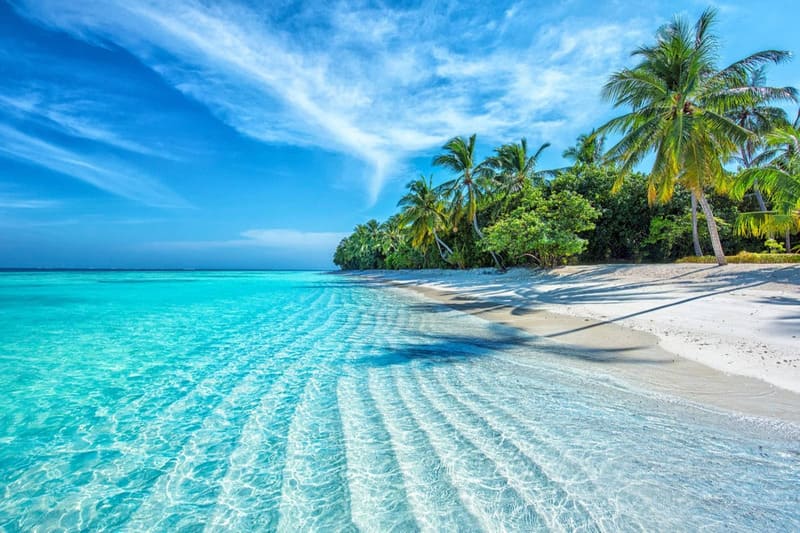
Sunny beaches are a highlight of summer in Vietnam (Source: Collected)
Summer is a great time to explore Vietnam's limestone scenery by boat. Ha Long Bay and Lan Ha Bay are known for cruises, kayaking, caves and hidden lagoons, while Trang An, Tam Coc and Phong Nha offer quieter river journeys through dramatic karst landscapes.
Late May and early June often bring golden rice fields around Tam Coc. Boat trips and cave visits may be adjusted according to rainfall, water levels and local safety conditions.
Northern Vietnam becomes lush and green during summer, making Sapa, Ha Giang, Mai Chau and Pu Luong popular for trekking and village visits.
Rice terraces change throughout the season, from water-filled fields to vibrant green hillsides. Trails can become slippery after rain, so wear sturdy footwear and carry lightweight rain protection. For remote routes, check weather conditions and travel with a local guide.
Learn where to find the most impressive Vietnamese rice paddies and rice terraces, from famous mountain valleys to lesser-known rural landscapes.
Summer also suits cultural sightseeing. Hoi An Ancient Town, the Complex of Hue Monuments, My Son Sanctuary, Ha Long Bay, Trang An and Phong Nha - Ke Bang can easily be combined with nearby beach destinations.
Visit outdoor attractions early in the morning, rest during the hottest hours and continue exploring in the evening. Wear modest clothing at temples and religious sites, and consider hiring a local guide to better understand the history behind each destination.
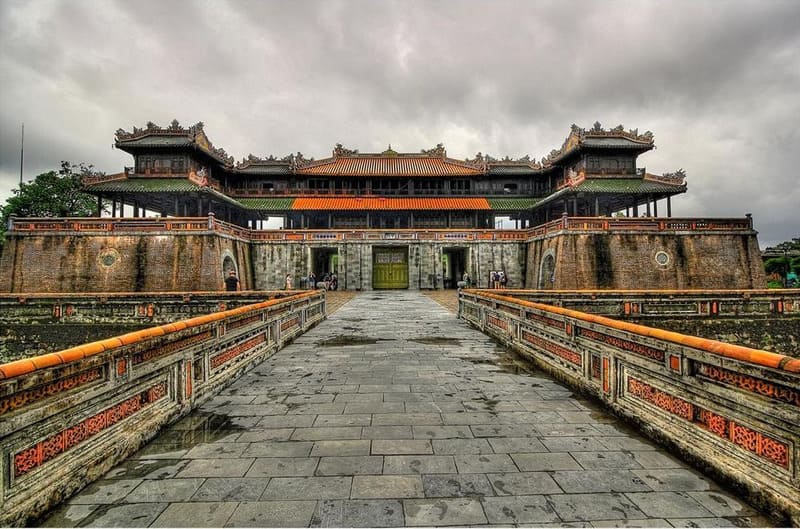
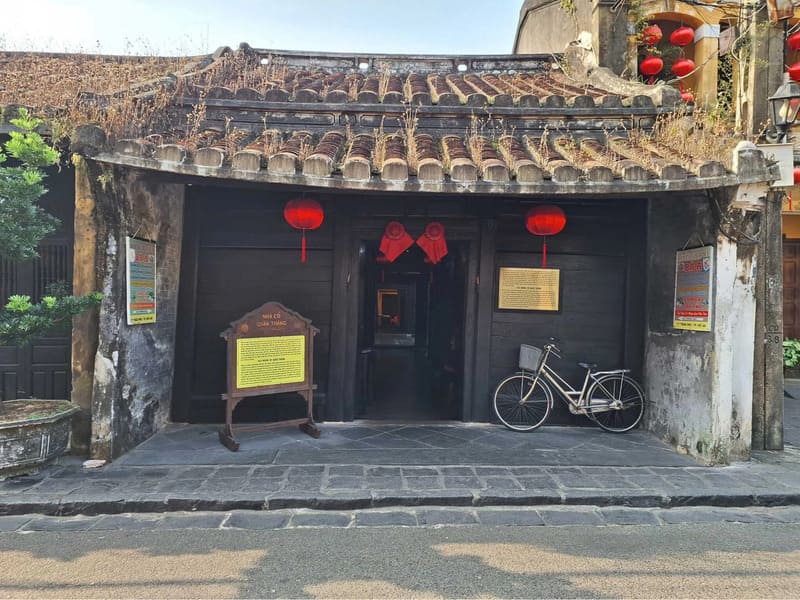
Summer is ideal for exploring Vietnam’s heritage sites (Source: Collected)
Summer is peak season for tropical fruits such as lychee, mango, mangosteen, rambutan, dragon fruit and durian, with the Mekong Delta offering especially wide selections.
To cool down, try fresh coconut water, sugarcane juice, fruit smoothies or che. Coastal destinations are also excellent for fresh seafood. Choose busy restaurants with transparent pricing, especially when ordering live seafood.
Many destinations host seasonal events, including beach festivals, cultural performances and fireworks. Da Nang, Hue, Nha Trang, Ha Long and Hoi An often organize summer programs, although schedules vary each year.
Check event dates before traveling, as festivals can increase accommodation prices and visitor numbers. Booking early or staying outside busy areas helps avoid peak crowds.
A little preparation can make your summer trip more comfortable, safer and better suited to Vietnam's seasonal weather. Keep these practical tips in mind before you go:
Summer usually lasts from May to August. The north is hot and humid, the central region is mostly hot and sunny, while the south is in its rainy season.
Temperatures typically range from 28°C to 38°C. Mountain areas stay cooler, while cities such as Hanoi and Hue can exceed 35°C during heatwaves.
It depends on the region. The north has frequent showers and thunderstorms, the central coast is generally drier until late summer, and the south sees regular afternoon downpours. Rain is often short-lived but may affect outdoor activities.
Yes. Summer is the busiest domestic travel season, especially from June to August. Beaches, resorts and popular attractions fill up quickly, so booking transport and accommodation in advance is recommended.
Pack lightweight clothing, comfortable shoes, sunscreen, a hat, sunglasses and insect repellent. A light rain jacket or umbrella is useful, especially in northern and southern Vietnam. Bring modest clothing if you plan to visit temples.
Yes. Coastal destinations such as Da Nang, Hoi An and Nha Trang are popular with families, while mountain regions offer cooler weather. Plan outdoor activities in the morning or late afternoon and book accommodation early during school holidays.
Summer in Vietnam offers everything from sunny beaches and UNESCO World Heritage Sites to mountain landscapes and vibrant local cuisine. By choosing the right destinations for each region and preparing for seasonal weather, you can enjoy a comfortable and rewarding trip. Hopefully, this guide helps you plan a Vietnam summer itinerary that matches your travel style and interests.
Learn more: Winter in Vietnam: What to Expect and Where to Go




 Vietnam Tours
 Cambodia Tours
 Laos Tours
 Thailand Tours
 Multi-Country Tours