Russian citizens do not need a visa to enter Vietnam for stays of up to 45 days. This visa exemption policy, implemented by the Vietnamese government, allows Russian nationals to visit Vietnam for tourism, business, or leisure without requiring prior visa approval.
However, in some cases, Russian citizens will need to apply for a visa before entering, such as when staying longer than 45 days, engaging in work activities, investment projects, or journalism. In the following guide, Your Vietnam Travel will provide a detailed guide on how Russian citizens can apply for a Vietnam visa, helping you easily choose the best option that aligns with your travel or business plans.
Russian citizens do not need a visa to enter Vietnam for stays of up to 45 days. This policy, introduced by the Vietnamese government, allows Russian passport holders to visit for tourism, business, or leisure without the need for prior visa approval.
However, there are specific scenarios where a visa is required:
For those who wish to stay beyond 45 days, there are options available. Russian citizens can either:
Since March 2025, the exemption for Russian passport holders has made travel to Vietnam easier than ever, offering a seamless experience for short visits. However, always ensure your travel plans align with the rules to avoid any complications during your stay.

Russians can enter Vietnam visa-free for up to 45 days (Source: Collected)
Russian citizens can now benefit from Vietnam’s visa exemption policy, which simplifies travel for both tourism and business purposes. This policy enables Russian passport holders to enter Vietnam without needing prior authorization for multiple visits, making it an ideal option for tourists, professionals, and those interested in exploring business opportunities in the country.
One of the key advantages of this exemption is its broad coverage, applying to both tourism and business activities. Whether you're traveling to experience Vietnam’s famous landmarks like Halong Bay, attending business meetings in Ho Chi Minh City, or participating in conferences in Hanoi, the same 45-day exemption period applies.
Additionally, the exemption allows multiple entries during the 45-day stay. This means travelers can leave and re-enter Vietnam freely within this period, making it a great choice for those planning to explore nearby countries such as Cambodia, Laos, or Thailand as part of their Southeast Asian journey.
This visa exemption policy offers a seamless, flexible travel experience for Russian nationals visiting Vietnam for various purposes, making it a valuable benefit for those looking to make the most of their time in the country.
Russian citizens can stay in Vietnam for up to 45 days without a visa. This visa-free period starts from the moment you pass through immigration at your point of arrival, whether it’s at Noi Bai International Airport in Hanoi, Tan Son Nhat in Ho Chi Minh City, or any of Vietnam's land or sea borders.
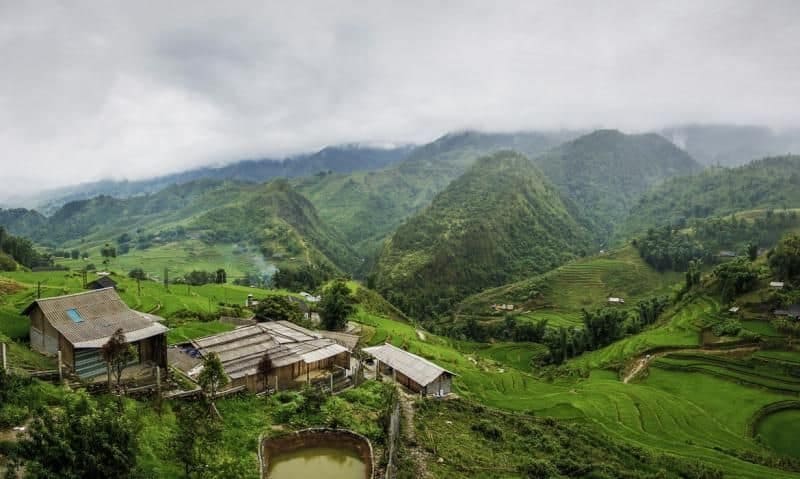
The 45-day stay is relatively generous when compared to other countries in the region, where typical visa-free allowances range from 14 to 30 days. This extended duration allows Russian visitors to fully explore Vietnam’s diverse landscapes, from the stunning Sapa mountains in the north to the picturesque Mekong Delta in the south, without feeling rushed.
It’s important to note that the 45 days are strictly counted from your arrival date. For example, if you arrive on January 1st, your departure must be no later than February 14th. Exceeding the 45-day period, even by one day, can lead to penalties, deportation, and challenges with future visa applications.
A common misunderstanding among travelers is the belief that leaving and re-entering Vietnam will reset the 45-day clock. While this might be technically possible, immigration officers have the discretion to deny entry to travelers suspected of exploiting the system. To avoid any complications, it's best to plan your trips carefully or apply for a multiple-entry visa if necessary.

Russians can stay in Vietnam visa-free for up to 45 days (Source: Collected)
When traveling to Vietnam, Russian citizens must fulfill certain visa requirements to ensure smooth entry. Here's an overview of the key conditions:
To apply for a Vietnam visa, your passport must meet specific criteria:
For those applying for a Visa on Arrival (VOA), further requirements apply:
While Russian citizens do not require prior visa approval for short stays in Vietnam, meeting the following entry conditions is crucial:
Russian citizens planning a visit to Vietnam for more than 45 days, or for purposes beyond the visa-free exemption, will need to obtain a visa. Fortunately, there are several convenient visa options available, each offering different benefits depending on your needs.
The Vietnam E-Visa is the simplest and most convenient option for Russian citizens. Launched in August 2023, this online visa system allows travelers to apply from the comfort of their home and receive their visa electronically.
The E-Visa application process is entirely digital. You simply fill out the application form online, upload the required documents, and pay the fee. Once approved, the visa is sent to your email as a PDF, which you can print out and present to immigration officers when you arrive in Vietnam. There's no need to visit an embassy, mail your passport, or wait at the airport for approval. This visa can be used for single or multiple entries, and allows stays of up to 90 days.
For travelers looking to stay in Vietnam for shorter periods, a Visa on Arrival (VOA) is another viable option. However, it's important to note that you cannot simply arrive at a Vietnamese airport and apply for a visa. Instead, you must first secure a pre-approval letter before your departure.
To begin, apply for a visa approval letter through a reputable agency. Once you receive this letter by email, print it out and bring it with you to Vietnam. Upon arrival at an international airport, you’ll present the letter along with your passport and passport photos, and pay the stamping fee to receive your visa.
A key advantage of VOA is the simpler application process, as you don’t need to submit passport photos when applying for the approval letter. However, this process does require two passport photos upon arrival at the airport. Another drawback is the waiting time at immigration, which can range from 30 minutes to over an hour, particularly during busy travel periods.
For those who prefer a more traditional route or if your circumstances don’t fit the criteria for the e-visa or VOA, applying for a visa through a Vietnamese embassy or consulate is still a reliable option.
To apply for a visa at a Vietnamese embassy or consulate, you will need to submit your passport, a completed visa application form, passport-sized photos, and any required fees. Processing times vary depending on the embassy or consulate, but typically take several days to complete.
This option is ideal for those who prefer in-person support, need specific visa types, or plan to stay in Vietnam for longer than the typical e-visa duration. It's also the go-to choice for individuals who may be traveling from countries where e-visa services are unavailable or difficult to access.

Apply for a Vietnam visa at an embassy or consulate (Source: Collected)
The processing time for a Vietnam visa depends on the application method chosen by Russian citizens. Here’s a breakdown of how long it takes for each type of visa:
The cost of a Vietnam visa for Russian citizens can vary depending on the type of visa you choose. Here's an overview of the typical fees for each available option:
1. Vietnam E-Visa costs:
The fee for the Vietnam e-visa is paid directly through the official government portal during the application process. This is a one-time flat fee, meaning there are no additional charges after your visa is approved.
2. Visa on Arrival (VOA) fees:
Along with the fee for the approval letter (which may vary depending on the agency), you will need to pay an airport stamping fee upon arrival in Vietnam. This fee mirrors the visa cost, at $25 for a single-entry visa and $50 for a multiple-entry visa. Be sure to pay the stamping fee in US dollars at the airport.
3. Applying at a Vietnamese Embassy or Consulate:
If you opt for expedited processing or any additional services, there may be extra charges, so it’s advisable to confirm the total fees directly with the embassy or consulate where you are applying.

Vietnam visa fees for Russian citizens range from 25 to 80 USD (Source: Collected)
For Russian citizens applying for a Vietnam visa, the required documents may vary depending on the type of visa you are applying for (e-visa, visa on arrival, or embassy/consulate application). However, generally, you will need the following:
Yes, it is possible to extend your Vietnam visa while in the country, but the process can be complicated and may not always be granted. Extensions are typically available for 30 days beyond the original expiration date. However, this option is not available for e-visas, and it's only applicable to certain types of visas. For those who need to stay longer, it's advisable to apply for an extension before the visa expires, or consider leaving and re-entering Vietnam to reset the 45-day visa exemption.
Yes, Russian citizens can apply for a multiple-entry visa to Vietnam, available through both the e-visa system and the visa on arrival option. The standard government fee for a multiple-entry e-visa is $50 USD, with a validity period of up to 90 days (depending on the specific visa type and purpose of entry). The visa on arrival also offers a multiple-entry option, which typically requires a pre-approval letter issued by a licensed Vietnamese agency. The stamping fee at the airport for multiple entries is also $50 USD.
A multiple-entry visa is ideal for travelers who plan to visit other countries in the region (such as Thailand, Laos, or Cambodia) and return to Vietnam within the validity of their visa. It's important to check the latest visa regulations before traveling, as entry rules may change depending on diplomatic agreements and immigration policies.
Yes, children of Russian nationals traveling to Vietnam need a visa, just like adults. They are subject to the same visa requirements, whether traveling with parents or guardians. For children under the age of 14, the application process may be slightly different, as some Vietnamese consulates or embassies may require additional documents, such as a birth certificate or proof of guardianship. If the child is traveling with only one parent, additional consent forms may also be required.
If your Vietnam visa application is rejected, the first step is to carefully review the rejection reason. Common reasons for rejection include incorrect or incomplete documents, inconsistencies in personal information, or failure to meet the visa requirements. Depending on the reason, you can either:
Traveling to Vietnam is hassle-free for Russian citizens with the 45-day visa exemption for tourism or business. For longer stays or activities like work or investment, a visa is necessary. The e-visa, visa on arrival, and embassy applications each offer distinct advantages depending on your needs. Ensure you review the requirements and processing times, and submit accurate, complete documents to avoid issues.
For personalized assistance with your Vietnam visa application or any travel-related queries, feel free to contact Your Vietnam Travel. We're here to help ensure a smooth and hassle-free journey to Vietnam!


 Vietnam Tours
 Cambodia Tours
 Laos Tours
 Thailand Tours
 Multi-Country Tours