Hanoi offers a wide range of accommodation options, and the best area to stay depends on the type of experience you are looking for. The Old Quarter is the most popular choice for travelers who want to be close to historic streets, street food, markets, and major attractions. Those seeking a quieter and more refined atmosphere often prefer the French Quarter, known for its colonial architecture, luxury hotels, and elegant boulevards. For a more relaxed stay near nature and lakeside cafés, the West Lake area provides modern hotels and resort-style living.
This guide from Your Vietnam Travel highlights the best areas to stay in Hanoi, recommended hotel styles, and practical travel tips to help you choose the most suitable location for your trip.
Choosing the right area in Hanoi depends on your travel style, schedule, and accommodation preferences. Each district offers a different atmosphere, from the lively streets of the Old Quarter to the quieter lakeside neighborhoods.
Each district in Hanoi offers a different vibe, so there is no one-size-fits-all when it comes to choosing the best areas to stay in Hanoi. Explore Your Vietnam Travel’s guidance below to discover the matching neighborhood based on your interests and budget.
Best for: First-time visitors, food lovers, and travelers who want to stay close to major attractions.
Why stay here:
Things to keep in mind:
 |
|
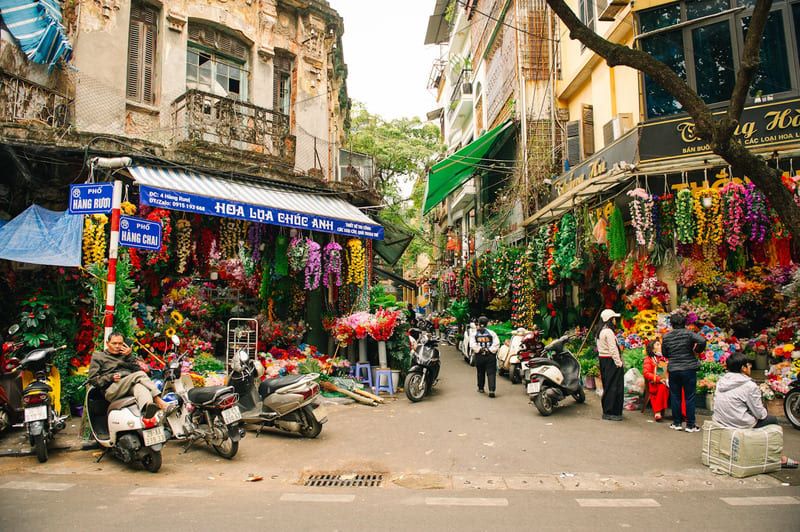
Hang Chai Street in Hanoi Old Quarter with decorations shops (Source: Unsplash) |
Best for: Couples, families, and travelers seeking a quieter and more elegant atmosphere.
Why stay here:
Things to keep in mind:
 |
|
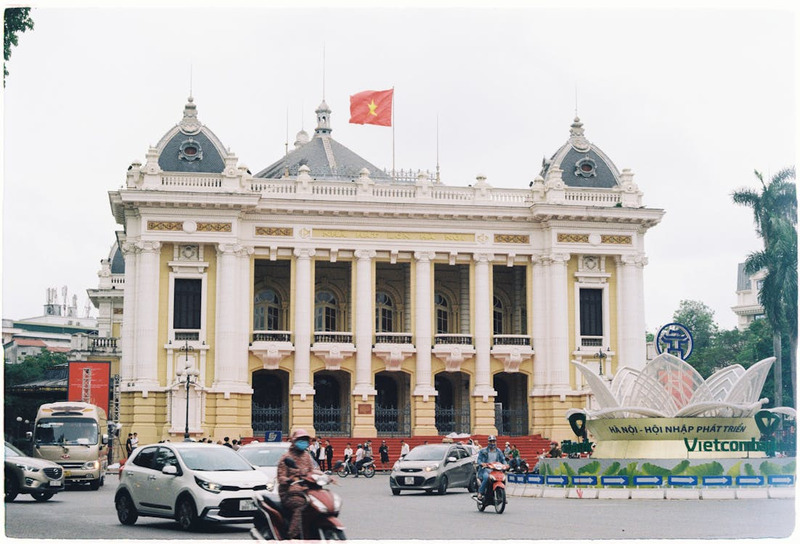
Opera House, a building with French architecture in Hanoi (Source: Pexels) |
Best for: Travelers who prefer quieter neighborhoods and easy access to historical landmarks.
Why stay here:
Things to keep in mind:
 |
|
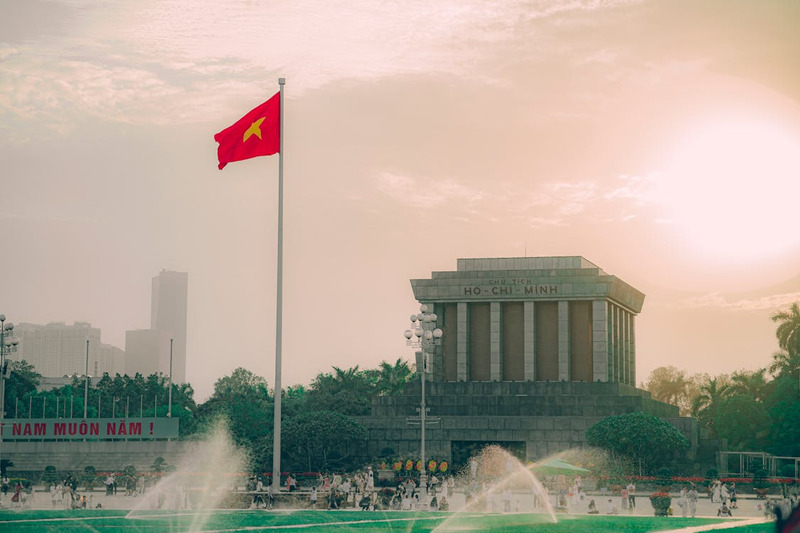
Ho Chi Minh Mausoleum in Ba Dinh District, Hanoi (Source: Pexels) |
Best for: Families, long-term travelers, and visitors looking for a relaxed lakeside atmosphere.
Why stay here:
Things to keep in mind:
 |
|
Buildings and accommodations around West Lake, Hanoi (Source: Pexels) |
Best for: Travelers interested in a more local experience with shopping and cafés.
Why stay here:
Things to keep in mind:
Best for: Visitors seeking a non-touristy area with convenient transport connections.
Why stay here:
Things to keep in mind:
 |
|
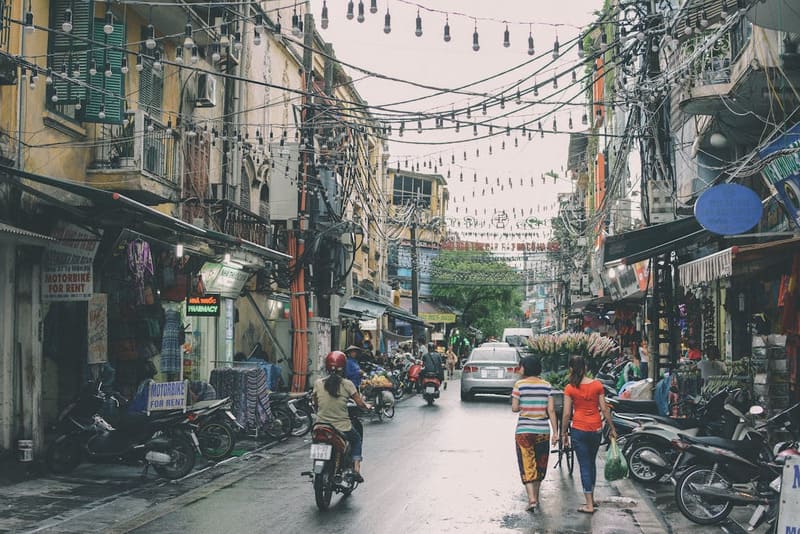
A busy street in Dong Da District, Hanoi (Source: Pexels) |
Hanoi offers a wide range of accommodation choices for different travel styles and budgets. From affordable hostels and homestays to boutique hotels and international luxury brands, visitors can easily find a place that suits their needs. The right hotel choice also depends on whether Hanoi is your main destination or the starting point for a longer Vietnam itinerary.
Below is a simple overview of the most common accommodation options in Hanoi.
Best for: Backpackers, solo travelers, and visitors on a short stay.
Budget accommodation in Hanoi includes hostels, guesthouses, and local homestays. Prices typically range from US$8 to US$30 per night, depending on location and room type.
Travelers can expect clean dormitories, private rooms, or small apartment-style homestays. Many budget stays are located in the Old Quarter, making it easy to explore major attractions, street food areas, and night markets on foot.
Travel tip: Book early through trusted platforms such as Booking.com or Agoda to secure better rates and availability during peak travel seasons.
 |
|
A cozy homestay in Dong Da District, Hanoi (Source: Pexels) |
 |
|
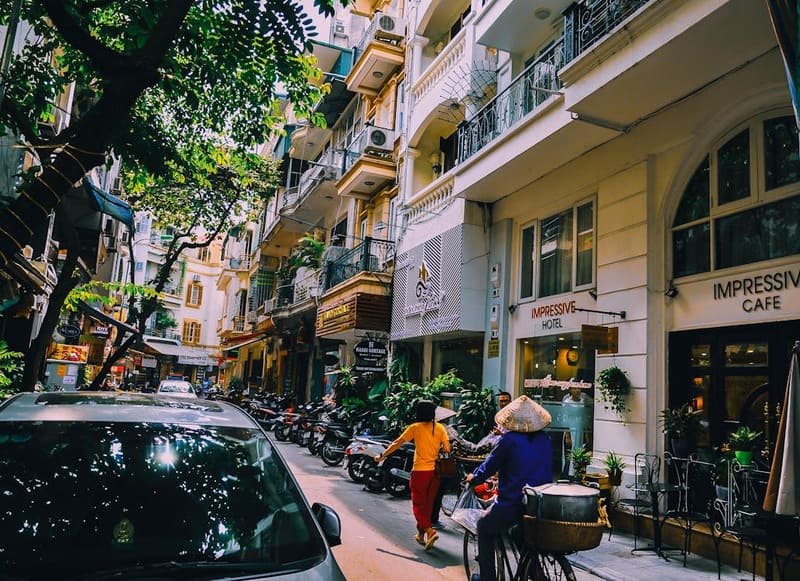
A street full of boutique and family hotels in Hoan Kiem District, Hanoi (Source: Pexels) |
Best for: Couples, families, and travelers seeking comfort at a reasonable price.
Mid-range hotels in Hanoi usually cost between US$30 and US$70 per night. Many are located in Hoan Kiem District, close to the Old Quarter and major sightseeing areas.
These hotels typically offer private bathrooms, comfortable rooms, breakfast service, and helpful front-desk support. Some boutique hotels also feature balconies or street views overlooking Hanoi’s lively streets.
Tip: Choose boutique hotels that reflect Hanoi’s local architecture or interior design. This adds a unique cultural touch to your stay while maintaining comfort and convenience.
 |
|
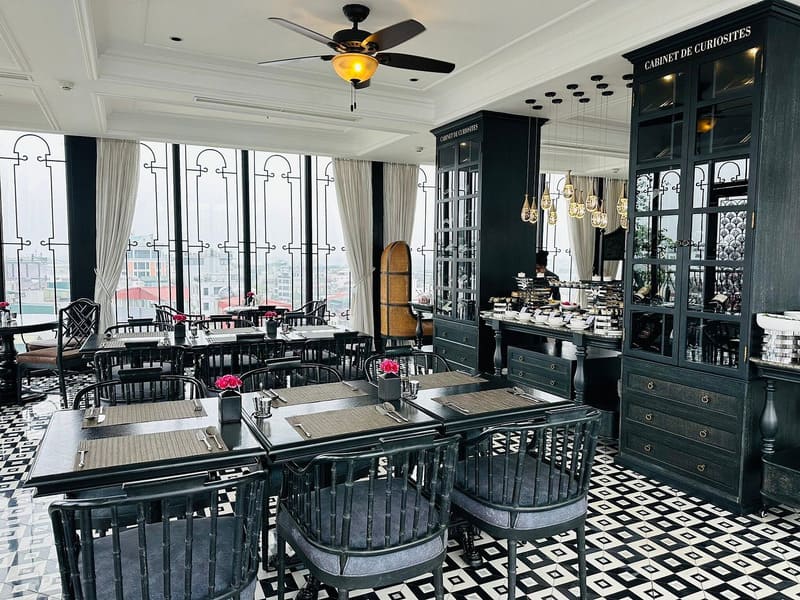
Restaurant with the city view in La Siesta Hotel in Hanoi (Source: Arushiphull83 - Tripadvisor) |
Best for: Travelers seeking premium service, elegant spaces, and high-end amenities.
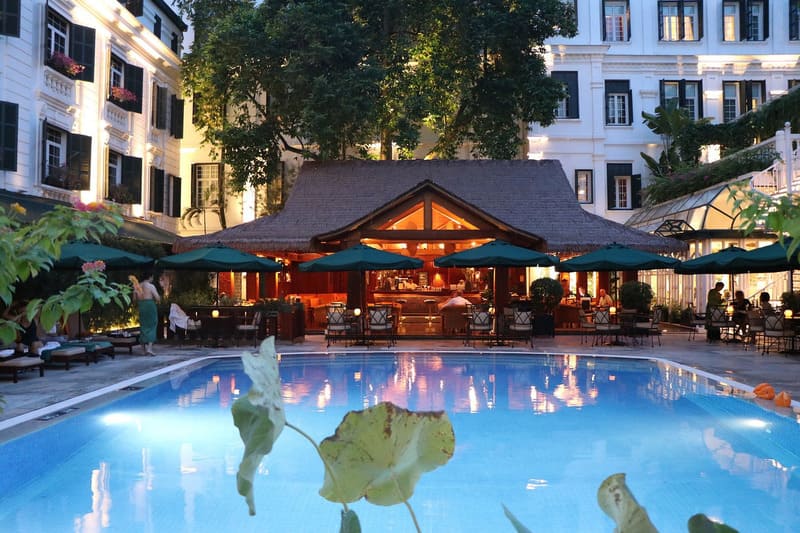
Luxury hotels in Hanoi range from US$70 to US$360 per night depending on location, brand, and room type. Many are located in Hoan Kiem, Ba Dinh, and West Lake areas, where guests can enjoy easy access to landmarks or scenic lake views.
Luxury accommodation in Hanoi generally falls into two categories:
Recommended luxury hotels in Hanoi:
 |
|
Hanoi 5-star Sofitel Legend Hotel with bar and pool (Source: jac3212017 - Tripadvisor) |
Some travelers prefer to choose accommodation based on specific needs rather than location. In Hanoi, many hotels and serviced apartments cater to particular travel styles such as eco-friendly stays, pet-friendly hotels, or family-oriented properties. When searching online, adding keywords like “eco-friendly hotel Hanoi”, “pet-friendly hotel Hanoi”, or “family-friendly hotel in Hoan Kiem or Tay Ho” can help you quickly find suitable options.
Your Vietnam Travel’s picks:
Before reserving a hotel in Hanoi, consider a few practical factors that can improve your overall travel experience.
Hanoi is generally considered a safe destination for international travelers. Most tourist areas, restaurants, and public spaces have security systems and cameras, and serious crime is rare. However, like in many large cities, travelers should stay alert in crowded places.
Common safety tips:
With basic precautions, visitors can comfortably explore Hanoi’s vibrant neighborhoods and cultural attractions.
The Old Quarter (Hoan Kiem District) is the best area for first-time visitors. It is close to Hoan Kiem Lake, major attractions, street food, and historic streets. Most sightseeing spots, restaurants, and markets are within walking distance, making it very convenient for short stays.
Yes. The Old Quarter is one of the most popular places to stay in Hanoi thanks to its central location, vibrant street life, and wide range of hotels. However, the area can be busy and noisy, especially near night markets and pedestrian streets.
West Lake (Tay Ho) is often the best area for families. The neighborhood offers quieter streets, larger hotel rooms, serviced apartments, and lakeside cafés. It also provides a more relaxed environment compared with the busy Old Quarter.
Both areas are excellent but offer different experiences.
Travelers looking for nightlife and local energy often choose the Old Quarter, while those seeking a more refined atmosphere prefer the French Quarter.
West Lake is about 4-6 km from the Old Quarter. Travel time usually takes 20-30 minutes by taxi or ride-hailing services depending on traffic. The area is ideal for travelers who prefer a quieter stay but still want access to the city center.
Most travelers stay 2-3 nights in Hanoi to explore the Old Quarter, Hoan Kiem Lake, museums, and local food scene. If you want to experience Hanoi more deeply or take day trips to places like Ninh Binh or Halong Bay, consider staying 4 nights or longer, or combine Hanoi with a broader Northern Vietnam itinerary.
Yes. Hanoi is generally a safe destination for international travelers. Popular areas such as the Old Quarter, French Quarter, and West Lake are well visited and safe to walk around. Travelers should simply stay alert in crowded places and keep valuables secure.
The best place to stay in Hanoi depends on your travel style and priorities. The Old Quarter is ideal for first-time visitors and easy access to attractions, the French Quarter offers a quieter and more elegant atmosphere, while West Lake and Ba Dinh provide more space and a relaxed environment. By choosing the right area, you can enjoy a more comfortable stay and explore Hanoi more conveniently.
If you are planning a trip to Hanoi and Vietnam, Your Vietnam Travel can help design a tailor-made itinerary that combines the right accommodation with authentic local experiences. Our team can help shape an itinerary that fits your travel style, whether you are planning a short stay in Hanoi, a Northern Vietnam route, or a longer journey across Vietnam.





 Vietnam Tours
 Cambodia Tours
 Laos Tours
 Thailand Tours
 Multi-Country Tours