Vietnam's climate is shaped by tropical monsoon systems, diverse landscapes, and a coastline stretching more than 3,200 kilometers. As a result, there is no single monsoon season that applies to the entire country.
Vietnam is affected by two main monsoon systems: the southwest monsoon and the northeast monsoon. These seasonal winds shape the country’s rainfall, humidity, temperature, and regional climate throughout the year.
The southwest monsoon usually runs from May to October. It brings warm, humid air and rainfall to much of Vietnam, especially the south, the Central Highlands, and northern mountain areas. This is also the main rainy season in Ho Chi Minh City, the Mekong Delta, Phu Quoc, Sapa, Ha Giang, and many other destinations.
The northeast monsoon usually runs from November to April. It brings cooler air to Northern Vietnam and can cause cold, damp, misty weather in Hanoi, Sapa, Ha Giang, Ninh Binh, and Ha Long Bay. Along the central coast, especially from Hue to Hoi An and Da Nang, the northeast monsoon can bring heavy rain from the sea, particularly from September to December.
Because of Vietnam’s long geography, there is no single “monsoon season” that applies to every destination. A simple way to understand it is:
| Region | Main rainy / monsoon period | Typical weather |
| North Vietnam | May - September | Hot, humid, sudden showers, thunderstorms, mountain rain |
| Central Vietnam | September - December | Heavy rain, storm risk, possible flooding, typhoons |
| South Vietnam | May - November | Short but heavy afternoon showers, humid weather, lush landscapes |
North Vietnam covers destinations such as Hanoi, Ninh Binh, Ha Long Bay, Sapa, Ha Giang, Mai Chau, Pu Luong, Mu Cang Chai, and Ba Be. The rainy season typically lasts from May to September, with July and August receiving the heaviest rainfall.
Lowland areas like Hanoi and Ninh Binh usually experience short but intense showers that rarely disrupt travel for long. In contrast, mountain destinations such as Sapa, Ha Giang, and Mu Cang Chai face a higher risk of landslides, slippery trekking trails, and reduced visibility during prolonged rain.
From November to April, the northeast monsoon brings cooler temperatures, drizzle, and fog rather than tropical downpours, especially in higher elevations. For the most stable weather, March-April and September-November are generally the best times to visit.
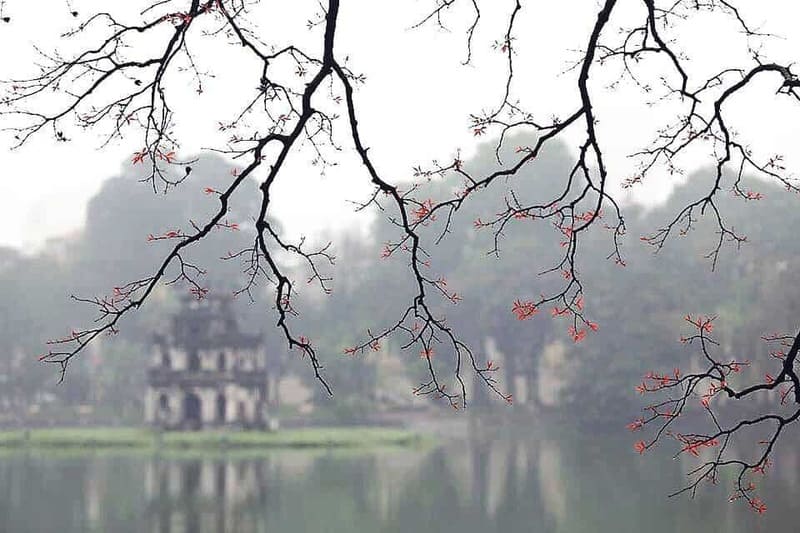
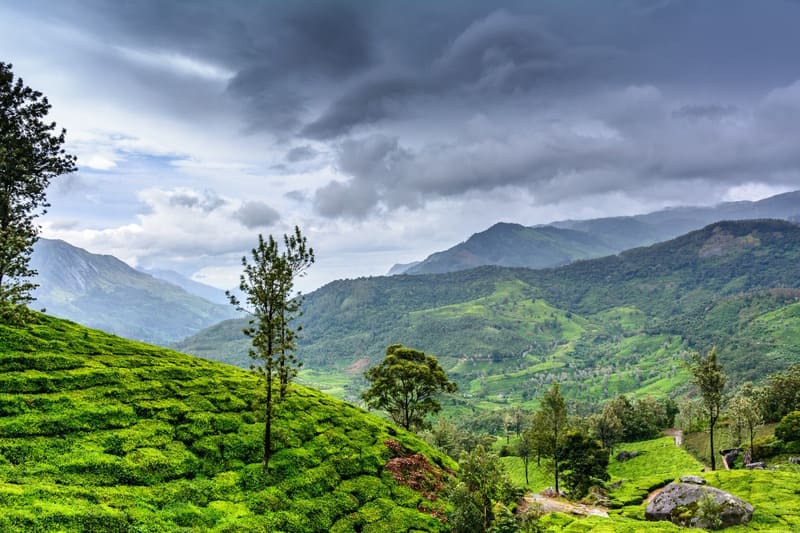
Rainy days bring a greener side to North Vietnam (Source: Collected)
Central Vietnam includes Hue, Da Nang, Hoi An, My Son Sanctuary, Phong Nha, Quy Nhon, Nha Trang, and the Central Highlands. Weather varies considerably across the region due to the Truong Son Range.
The central coast is usually hot and dry from February to August, making it ideal for beaches and sightseeing. The main rainy season arrives between September and December, bringing heavy rain, typhoons, and occasional flooding, particularly in Hue, Da Nang, Hoi An, and nearby provinces.
Southern coastal destinations such as Nha Trang often follow a slightly different rainfall pattern, while Da Lat and the Central Highlands have a cooler climate with rains linked to the southwest monsoon. For first-time visitors, February-April generally offers the most reliable weather.
South Vietnam includes Ho Chi Minh City, the Mekong Delta, Phu Quoc, Con Dao, and Vung Tau. Unlike the north, it has only two seasons: dry and rainy.
The rainy season runs from May to November, but showers are typically brief and occur in the afternoon or evening, leaving mornings suitable for sightseeing and day trips. Ho Chi Minh City may experience temporary flooding, while the Mekong Delta becomes especially scenic from August to November, when waterways and floating markets are at their liveliest.
Beach destinations such as Phu Quoc and Con Dao can see rough seas and occasional tour cancellations during the wet season. If your trip focuses on beaches, November-April is the more dependable period. Even during the monsoon, South Vietnam remains one of the easiest regions to explore thanks to its short, predictable rainfall.
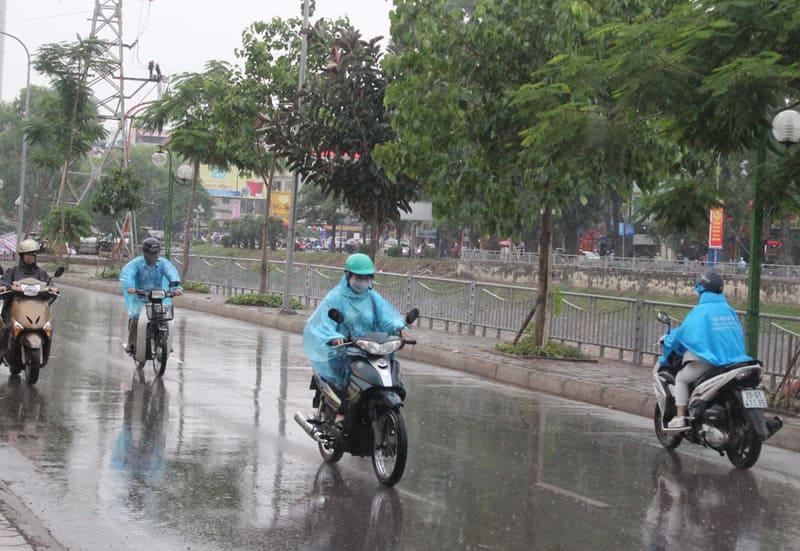
Afternoon rain is common in South Vietnam (Source: Collected)
Vietnam is still worth visiting during the monsoon season if you choose the right region, activities, and travel pace. Although rain can affect some itineraries, the season also offers several advantages.
However, it is not ideal for every trip. Beach holidays, island hopping, long motorbike routes, trekking, and outdoor photography require more careful planning. Central Vietnam from September to November needs the most caution due to higher risks of storms and flooding.
The best strategy is to plan by region, not by the whole country. Vietnam can be rainy in one area while another region remains dry, sunny, or only lightly affected.
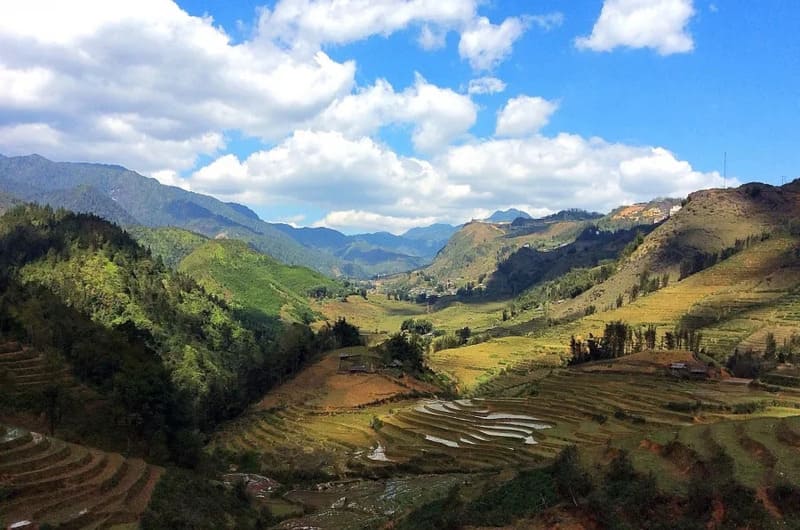
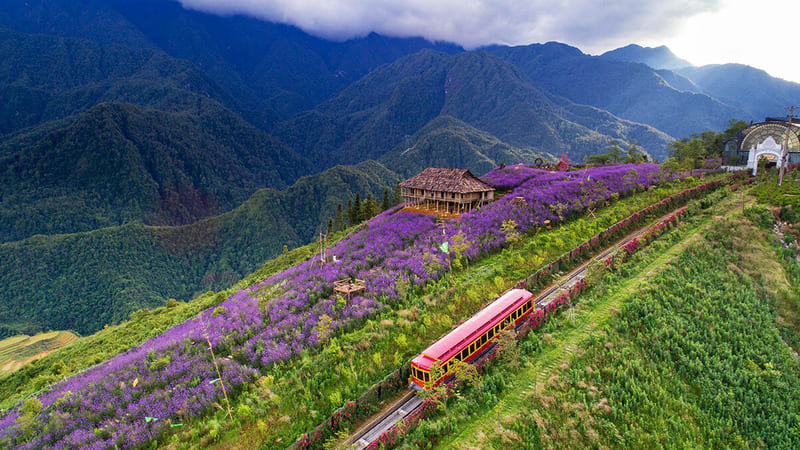
North Vietnam remains rewarding during the monsoon, especially for mountain scenery, rice terraces, and cultural experiences.
To explore more destinations, itineraries, and travel tips, check out our Northern Vietnam travel guide.
Rainfall varies significantly across Central Vietnam, making travel conditions highly dependent on the month.
For more destinations, itineraries, and practical advice, explore our Central Vietnam travel guide.
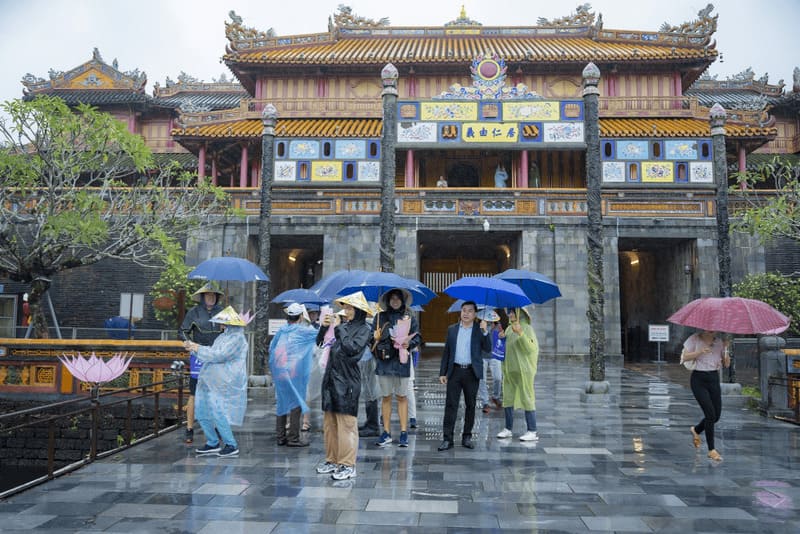
Rainy days add a peaceful charm to Hue (Source: Collected)
South Vietnam is generally the easiest region to visit during the monsoon, as showers are usually heavy but brief.
Beyond these highlights, our Southern Vietnam guide will help you plan a complete journey through the region.
You do not need to avoid Vietnam during the monsoon season, but some places require extra caution at certain times of year.
| Destination/Region | Months to Be Cautious | Why |
| Hue, Hoi An, Da Nang, Quang Nam | September to November | Heavy rain, flooding, tropical storms, and typhoon risk |
| Quang Binh and Phong Nha | September to November | Flooding, rising river levels, and possible cave tour disruptions |
| Northern mountain roads | July to August | Landslides, flash floods, poor visibility, and challenging road conditions |
| Ha Giang Loop | Heavy-rain days from May to September | Slippery roads, dangerous mountain passes, and landslide risk |
| Sapa and remote trekking areas | July to August | Muddy trails, dense fog, poor visibility, and increased safety risks |
| Phu Quoc and southern islands | Wet and windy periods from May to October | Rough seas, heavy rain, and possible boat tour cancellations |
| Low-lying urban areas in Ho Chi Minh City | Heavy-rain afternoons | Localized flooding and traffic congestion |
The monsoon season can actually enhance many travel experiences in Vietnam. Instead of focusing only on sunshine, choose activities that work well with lush landscapes, cooler moments, and flexible timing.
Weather can change quickly during the monsoon season, especially in mountain, coastal, and island areas. Check local forecasts daily instead of relying only on general monthly weather guides.
Useful things to monitor include:
For short city trips, rain may simply mean adjusting your schedule. For trekking, cruises, motorbike routes, or island tours, weather checks are much more important.
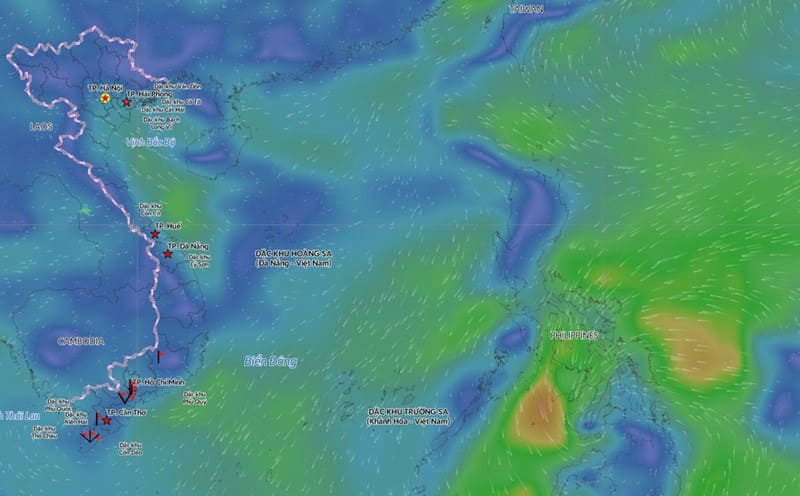
Checking the forecast helps keep your trip flexible (Source: Collected)
Pack light but practical items that protect you from rain, humidity, and sudden weather changes.
Useful items include:
Avoid packing only cotton clothing, as cotton absorbs moisture and dries slowly in humid weather.
Packing the right clothing and footwear will make traveling during Vietnam's monsoon season much more comfortable.
Although Vietnam's transport network continues operating throughout the monsoon season, temporary delays are possible during periods of heavy rain or tropical storms.
A flexible itinerary is one of the most important strategies for traveling during the monsoon season in Vietnam. Do not schedule every outdoor activity tightly from morning to night.
A better approach is to:
If you are visiting several regions, build your route around weather patterns. For example, avoid Central Vietnam’s peak rainy months if you are planning a heritage-and-beach itinerary. If traveling in July or August, consider Northern Vietnam’s rice terraces, the Central Highlands, or Southern Vietnam with flexible city and river experiences.
No. The monsoon season refers to seasonal wind patterns, while the rainy season is when those winds bring regular rainfall. The timing varies by region, with the south typically wet from May to November and the central coast from September to December.
Yes, as long as you stay flexible. Most days bring short showers rather than constant rain. Check weather forecasts, avoid outdoor activities during storms, and be cautious of flooding, landslides, rough seas, and typhoons.
Yes, especially in Central Vietnam between September and November. Cities such as Hue and Hoi An may experience flooding, while Ho Chi Minh City occasionally sees temporary street flooding after heavy rain.
Yes, but timing matters. Central Vietnam's beaches are generally best before the late-year rainy season, while Phu Quoc and southern islands are more suitable from November to April. Rough seas may disrupt swimming and boat trips during bad weather.
Sometimes. Heavy rain, storms, and typhoons can delay or cancel flights, particularly to coastal and island destinations. Trains are usually reliable, though severe flooding may occasionally disrupt services.
Usually not. Southern Vietnam often has brief afternoon downpours, while northern rain is typically short but intense. Central Vietnam is more likely to experience prolonged rainfall during its peak wet season.
There is no single wettest month nationwide. July and August are often the rainiest in the north, October and November in the center, and June to September in the south.
Often yes. Hotels, tours, and flights may offer lower prices, and many attractions are less crowded. However, rates can still increase during public holidays and school vacations.
The monsoon season in Vietnam can affect your trip, but it does not have to ruin it. Each region has a different rainy period, so good timing and flexible planning matter more than avoiding the season completely.
If you choose the right destinations, prepare for sudden rain, and adjust your itinerary by region, Vietnam can still offer beautiful landscapes, rich cultural experiences, fewer crowds, and memorable travel moments during the monsoon season.

 Vietnam Tours
 Cambodia Tours
 Laos Tours
 Thailand Tours
 Multi-Country Tours