Northern Vietnam is one of the best regions to experience Vietnam’s culture, nature, history, and local life in one trip. From Hanoi and Ha Long Bay to Ninh Binh, Sapa, Ha Giang, Cao Bang, and Mai Chau, the region offers a strong mix of cities, mountains, rice terraces, limestone landscapes, ethnic villages, and scenic road journeys.
This Northern Vietnam guide will help you choose where to go, what to do, when to visit, and how to plan a smooth itinerary based on your travel style.
Northern Vietnam is the upper region of the country, bordered by China to the north, Laos to the west, and the Gulf of Tonkin to the east. Hanoi is the main gateway and the most common starting point for travelers.
The region can be roughly divided into three main areas:
Northern Vietnam is especially strong for travelers who enjoy:
For a short trip, you can combine Hanoi, Ninh Binh, and Ha Long Bay. With more time, you can add Sapa, Mai Chau, Pu Luong, Ha Giang, Cao Bang, or Mu Cang Chai depending on your interests.
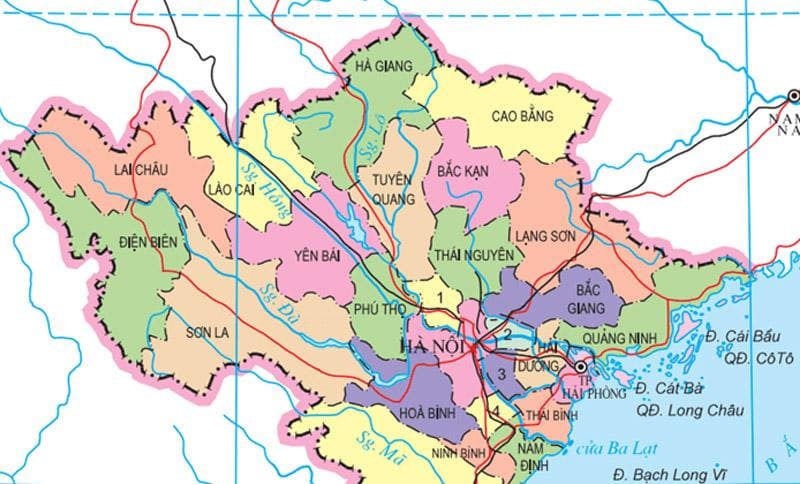
Map of Northern Vietnam (Source: Collected)
Hanoi is the capital of Vietnam and the natural starting point for most Northern Vietnam itineraries. With more than 1,000 years of history, the city brings together ancient temples, French colonial buildings, lakeside neighborhoods, war-era sites, traditional markets, and one of the country’s strongest street food scenes.
For first-time visitors, the Hanoi Old Quarter is the easiest place to begin. Its 36 historic streets were once organized by trade, and traces of that commercial past still remain in the small shops, tube houses, family-run eateries, and busy sidewalks. Nearby, Hoan Kiem Lake offers a softer rhythm, especially in the early morning when locals gather for exercise, coffee, and quiet walks around Ngoc Son Temple.
Beyond the Old Quarter, Hanoi has several important cultural landmarks. The Temple of Literature, founded in 1070, reflects Vietnam’s long scholarly tradition. The Ho Chi Minh Mausoleum, Hoa Lo Prison, Thang Long Imperial Citadel, and Vietnam Museum of Ethnology each add a different layer to the city’s political, historical, and cultural story.
Food is another reason to stay longer. Signature dishes include pho, bun cha, cha ca, banh cuon, xoi xeo, and egg coffee. A guided street food walk is useful if you want to understand not just what to eat, but how locals eat throughout the day.
Best things to do in Hanoi:
Hanoi is also Northern Vietnam’s main transport hub. From here, travelers can easily continue to Ninh Binh, Ha Long Bay, Sapa, Ha Giang, Mai Chau, Pu Luong, Cao Bang, and other northern destinations.
If you plan to spend more time in the capital, explore our detailed guide to the best things to do in Hanoi, including food spots, museums, local neighborhoods, and cultural experiences.
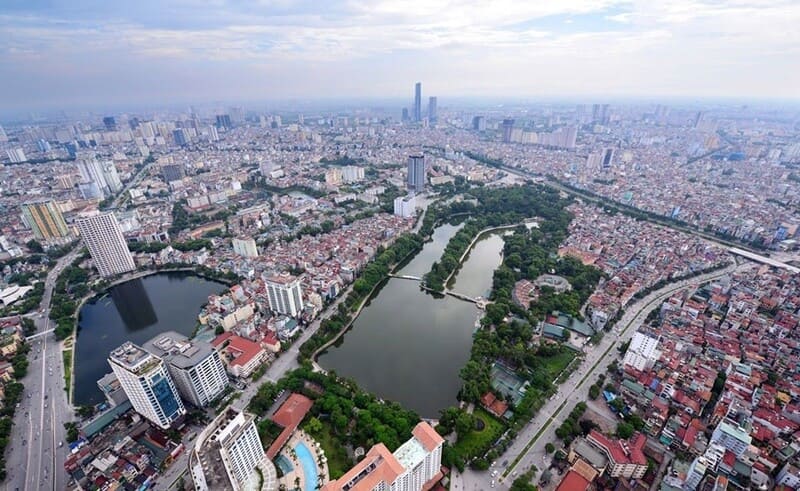
Hanoi is the cultural gateway to Northern Vietnam (Source: Collected)
The Ha Long Bay region is famous for thousands of limestone islands rising from calm green water. Recognized by UNESCO, this seascape is often included in first-time Vietnam itineraries because it offers a striking contrast to Hanoi’s busy streets and Northern Vietnam’s mountain regions.
A cruise is the main way to experience the bay. Most programs include a mix of sightseeing, kayaking, cave visits, swimming stops, onboard meals, and sunset views from the deck. A 2-day 1-night cruise usually gives a better experience than a day trip, especially for travelers who want more time on the water and less time in transfers.
The wider bay area has three main choices, and each suits a different travel style:
Best things to do in the bay area:
For most travelers, the bay area works best as an overnight trip from Hanoi rather than a rushed same-day excursion.

Limestone islands across Northern Vietnam’s bay area (Source: Collected)
Ninh Binh sits about 90-100 kilometers south of Hanoi and is one of the easiest countryside escapes in Northern Vietnam. The province is known for limestone mountains, winding rivers, rice fields, caves, temples, and quiet rural lanes that are ideal for cycling.
The two most popular boat routes are Trang An and Tam Coc. Trang An is part of a UNESCO-listed landscape complex, with cave passages, temples, and dramatic karst scenery. Tam Coc feels more open and agricultural, especially during the rice season when the fields turn green or golden along the Ngo Dong River.
Ninh Binh also has strong historical value. Hoa Lu served as Vietnam’s capital in the 10th and 11th centuries, before power later moved to Thang Long, now Hanoi. Today, the area is a useful stop for travelers who want both nature and early Vietnamese history in one destination.
Best things to do in Ninh Binh:
A day trip from Hanoi is possible, but staying one or two nights gives you a better sense of the countryside, especially in the early morning and late afternoon when the light is softer and tour groups are fewer.
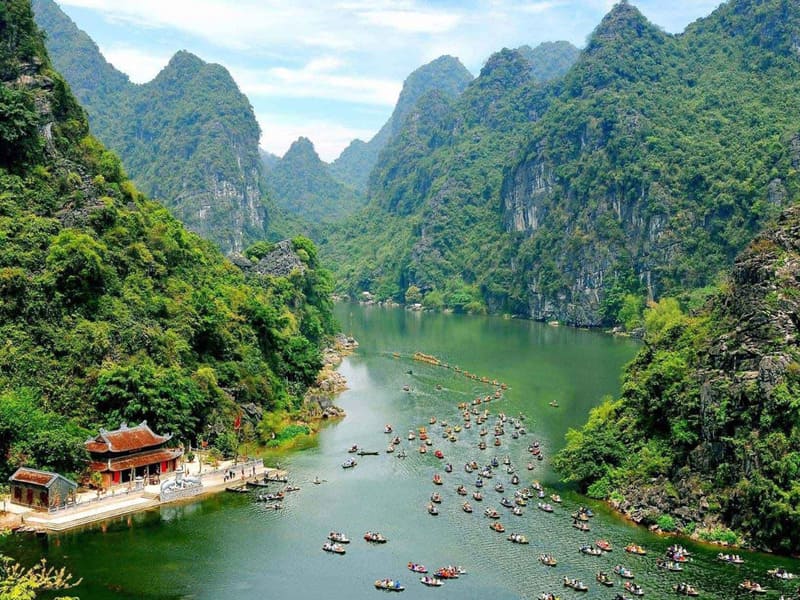
River landscapes and limestone peaks in Ninh Binh (Source: Collected)
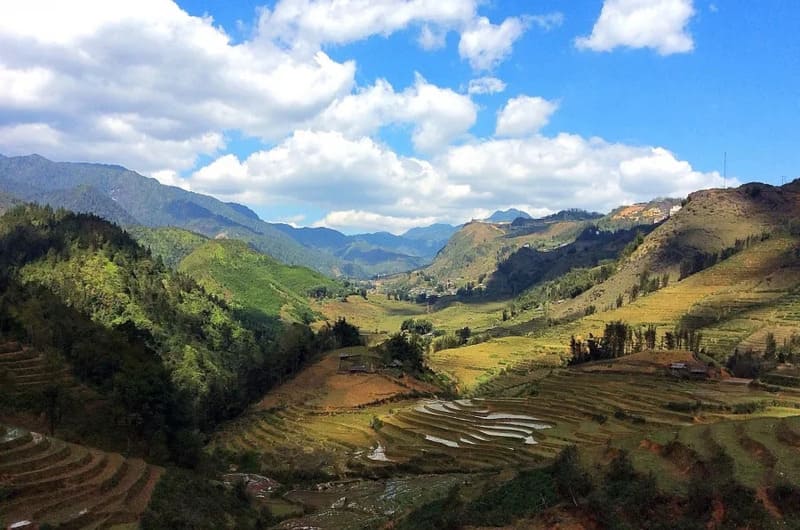
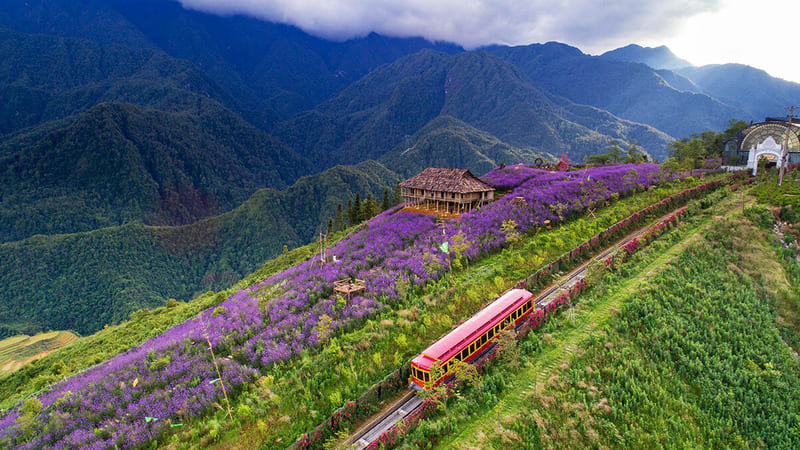
Sapa is a mountain town in Lao Cai Province, close to the Hoang Lien Son range and near the border with China. Sitting at around 1,500 meters above sea level, it has a cooler climate than Hanoi and has long been known for terraced rice fields, ethnic minority villages, trekking routes, and views of Fansipan, Vietnam’s highest mountain at 3,143 meters.
The best scenery depends strongly on the season. From May to July, the rice terraces are fresh and green. Around August and September, they turn golden before harvest. Winter can bring cold weather, fog, and limited visibility, but it also creates a different mountain atmosphere for travelers who enjoy misty landscapes.
The surrounding villages are home to communities such as the Hmong, Red Dao, Tay, and Giay. Popular routes pass through Lao Chai, Ta Van , Ta Phin, Giang Ta Chai, and Muong Hoa Valley. A local guide is highly recommended, not only for navigation but also for cultural context and more respectful village visits.
Best things to do in Sapa:
Sapa is suitable for travelers who want mountain scenery with established tourism services. Those looking for a more rugged and less developed route may prefer Ha Giang or Mu Cang Chai.
For trekking routes, village experiences, viewpoints, and seasonal travel ideas, see our guide to the best things to do in Sapa.
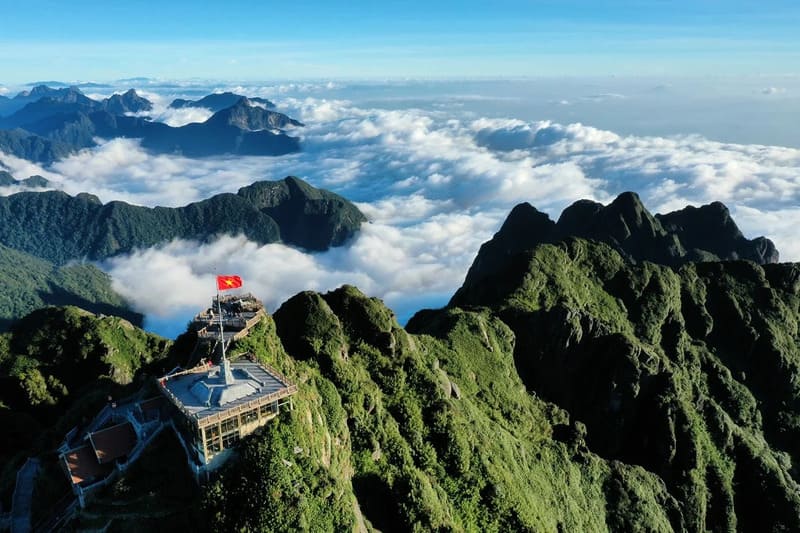
Fansipan peak above Sapa’s mountain landscape (Source: Collected)
Ha Giang sits in Vietnam’s far north, close to the Chinese border, and delivers some of the country’s most dramatic mountain scenery. The province is best known for the Ha Giang Loop, a multi-day road journey through limestone peaks, deep valleys, high passes, ethnic villages, and remote border landscapes.
The route usually includes Quan Ba Heaven Gate, Yen Minh, Dong Van Karst Plateau, Dong Van Old Town, Lung Cu Flag Tower, Ma Pi Leng Pass, Nho Que River, and Meo Vac. The section around Ma Pi Leng is especially striking, with steep cliffs and views down toward the turquoise Nho Que River.
Ha Giang is also culturally rich. Hmong, Tay, Dao, Lo Lo, Nung, and other ethnic communities live across the region, and local markets remain an important part of weekly life. For travelers, these markets offer insight into clothing, food, trade, and social traditions, but visits should be done respectfully and without treating local life as a performance.
Best things to do in Ha Giang:
Ha Giang is more demanding than Sapa or Ninh Binh. Roads are winding, distances feel longer than they look on a map, and weather can change quickly in the mountains.
Plan at least three to four days for the loop, and avoid self-riding unless you have solid motorbike experience. A Ha Giang Loop private tour is a safer and more comfortable choice for travelers who want the scenery without driving themselves.
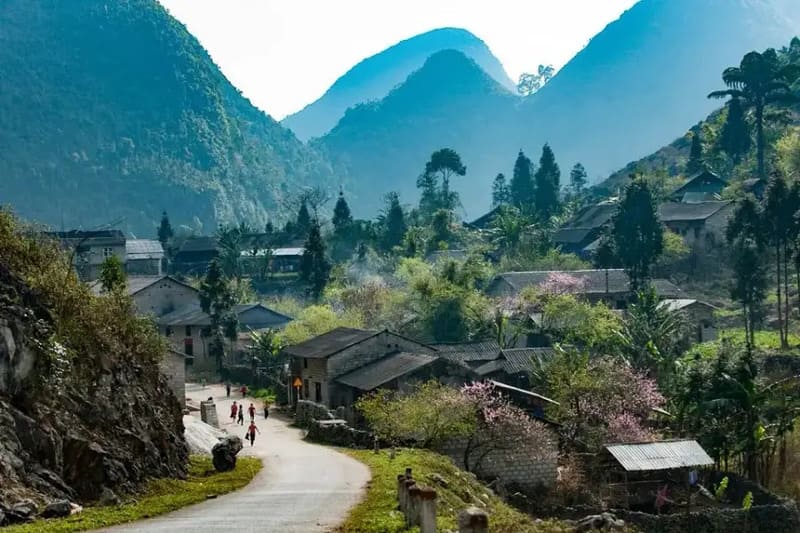
Local village set among Ha Giang’s mountains (Source: Collected)
Cao Bang lies in Vietnam’s far northeast, around 280-300 km from Hanoi, and remains one of the least visited provinces in Northern Vietnam. The highlight here is Ban Gioc Waterfall, a multi-tiered cascade stretching across the Vietnam-China border. During the rainy season (around June to September), water levels rise significantly, creating a much more powerful and photogenic scene.
The surrounding landscape combines limestone mountains, rice fields, and quiet villages, giving the area a similar geological feel to Ha Long Bay but in a rural, land-based setting. Beyond Ban Gioc, Nguom Ngao Cave offers impressive stalactite formations, while Phia Oac National Park provides forest trails and cooler mountain air.
Cao Bang appeals to travelers who prefer less commercialized destinations and are comfortable with longer travel times. Road conditions have improved in recent years, but reaching the area still typically takes 6-8 hours by car from Hanoi.
Best things to do in Cao Bang:
Cao Bang works best as part of a longer Northern Vietnam route, especially when combined with Ba Be Lake. For a ready-made route, consider a Ban Gioc Waterfall tour that also includes Ba Be and Ha Long Bay.

Ban Gioc Waterfall in the far northeast (Source: Collected)
Ba Be Lake is located within Ba Be National Park in Bac Kan Province, about 5-6 hours from Hanoi. It is the largest natural freshwater lake in Vietnam and sits at around 150 meters above sea level, surrounded by forested limestone mountains.
Unlike Ha Long Bay or Ninh Binh, Ba Be offers a much quieter environment with minimal tourism infrastructure. The experience here focuses on slow travel: boat rides across calm water, village visits, short hikes, and time spent in nature rather than packed sightseeing.
The lake system connects to caves, waterfalls, and rivers, including Puong Cave and Dau Dang Waterfall. The area is also home to Tay ethnic communities, where many homestays are located along the lakeshore or nearby villages.
Best things to do in Ba Be Lake:
Ba Be is not about iconic landmarks but about atmosphere. It suits travelers looking for quiet landscapes, local interaction, and a slower pace. It pairs well with Cao Bang for a nature-focused itinerary.
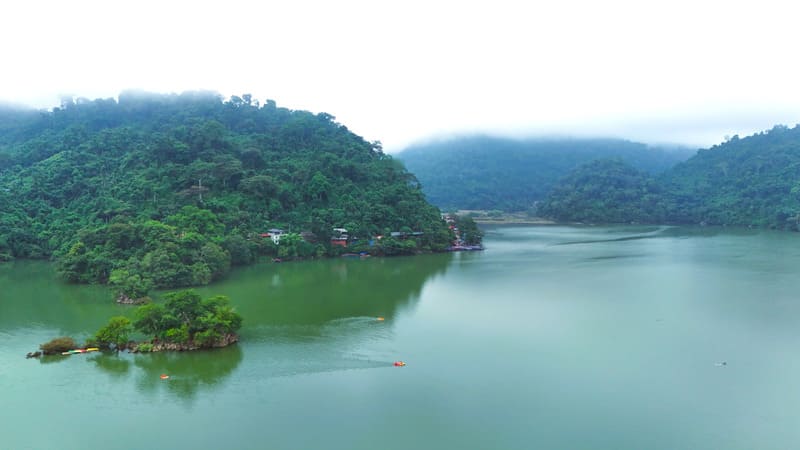
Quiet lake scenery in Ba Be National Park (Source: Collected)
Mai Chau and Pu Luong are two of the most accessible countryside destinations from Hanoi, both located within 3-5 hours by road. They are often chosen by travelers who want mountain scenery and ethnic culture without the longer journey to Sapa or Ha Giang.
Mai Chau is known for its wide green valley, rice fields, and White Thai villages. The area has developed a homestay and eco-lodge network, making it easy to visit even on a short trip. Cycling through villages and staying in traditional stilt houses are common experiences here.
Further south, Pu Luong Nature Reserve offers more rugged terrain with rice terraces, bamboo water wheels, forest trails, and quieter villages. Compared to Mai Chau, Pu Luong feels less developed and more suitable for trekking and nature-focused stays.
Best things to do in Mai Chau and Pu Luong:
These destinations are well suited for 2-3 day trips from Hanoi and combine easily with Ninh Binh. Mai Chau is better for comfort and ease, while Pu Luong offers more depth for nature and trekking.
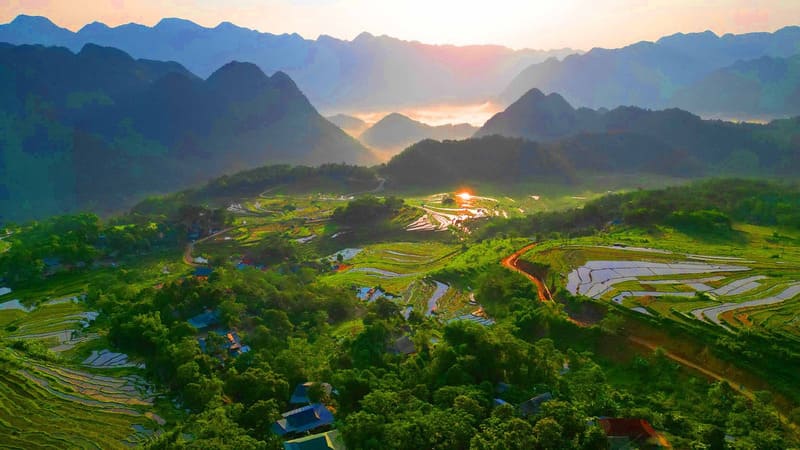
Peaceful valleys and rice fields in Pu Luong (Source: Collected)
Moc Chau sits at an elevation of around 1,000 meters in Son La Province, about 4-5 hours from Hanoi. The plateau is known for its cooler climate, rolling tea hills, seasonal flower fields, dairy farms, and open landscapes that feel very different from the dense mountains of Ha Giang or the busy town of Sapa.
Moc Chau’s scenery changes noticeably throughout the year. Plum and peach blossoms typically appear from January to March, while white mustard flowers bloom later in winter. Tea plantations remain green year-round and are one of the most recognizable features of the area. The region is also a key dairy production center in Northern Vietnam, known for fresh milk, yogurt, and local farm products.
Compared to other mountain destinations, Moc Chau is easier to navigate and better suited for a relaxed pace rather than intensive trekking.
Best things to do in Moc Chau:
Moc Chau is often combined with Mai Chau or extended toward Son La and Mu Cang Chai for a longer Northwest Vietnam route.
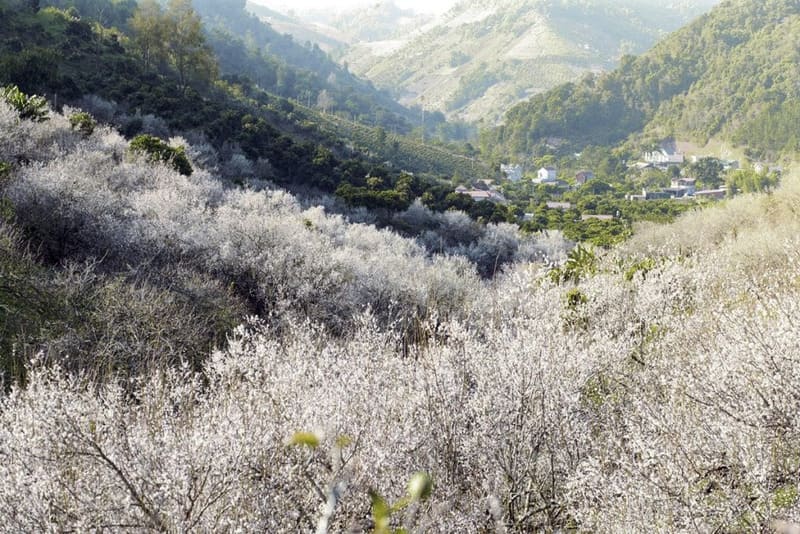
Tea hills and flower fields across Moc Chau Plateau (Source: Collected)
Mu Cang Chai is located in Yen Bai Province, about 6-7 hours from Hanoi, and is widely known for its large-scale terraced rice fields shaped by Hmong communities over generations. The terrain here is steeper and more dramatic than Sapa, creating layered landscapes that stretch across entire mountainsides.
The best time to visit depends on what you want to see. From May to June, the “pouring water season” transforms the terraces into reflective layers filled with water. From September to early October, the fields turn golden before harvest, attracting photographers from across Vietnam.
Key viewpoints include La Pan Tan, Che Cu Nha, De Xu Phinh, and Mam Xoi Hill, all offering different angles of the valley landscapes. The journey itself is also part of the experience, especially along Khau Pha Pass, one of the highest passes in the region.
Best things to do in Mu Cang Chai:
Mu Cang Chai suits travelers interested in landscape photography, rural culture, and less commercialized mountain regions. Accommodation is simpler than Sapa, but the atmosphere is quieter and more authentic.
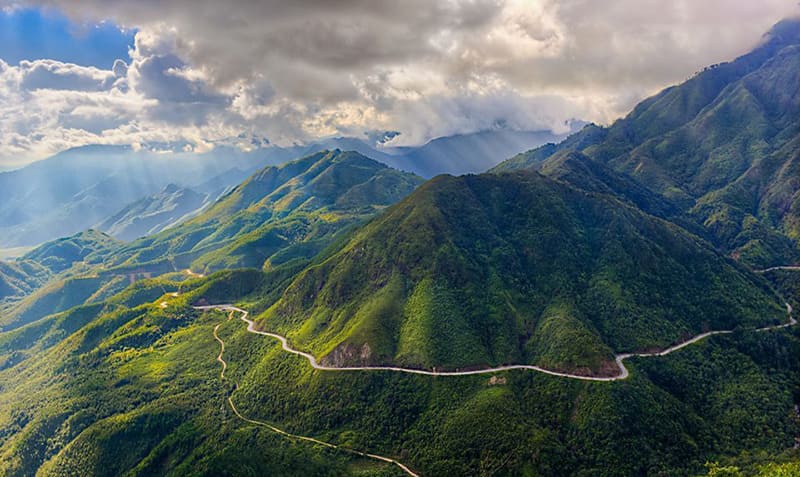
Mountain passes and sweeping views in Mu Cang Chai (Source: Collected)
Cat Ba Island is the largest island in the Cat Ba Archipelago and serves as a practical base for exploring Lan Ha Bay. Located about 3-4 hours from Hanoi via a combination of road, ferry, or cable car, Cat Ba offers a more flexible alternative to traditional overnight cruises.
The island combines coastal scenery, limestone formations, beaches, and forested national park areas. Cat Ba National Park covers a large part of the island and includes hiking trails, viewpoints, and diverse ecosystems. At sea level, boat trips into Lan Ha Bay provide access to quieter lagoons, kayaking routes, and floating fishing communities such as Cai Beo.
Cat Ba allows travelers to mix land-based exploration with bay activities without being tied to a fixed cruise schedule.
Best things to do on Cat Ba Island:
Cat Ba is suitable for travelers who want more independence than a cruise, while still experiencing the bay landscape. It works well for active travelers, couples, and families who prefer a flexible itinerary.
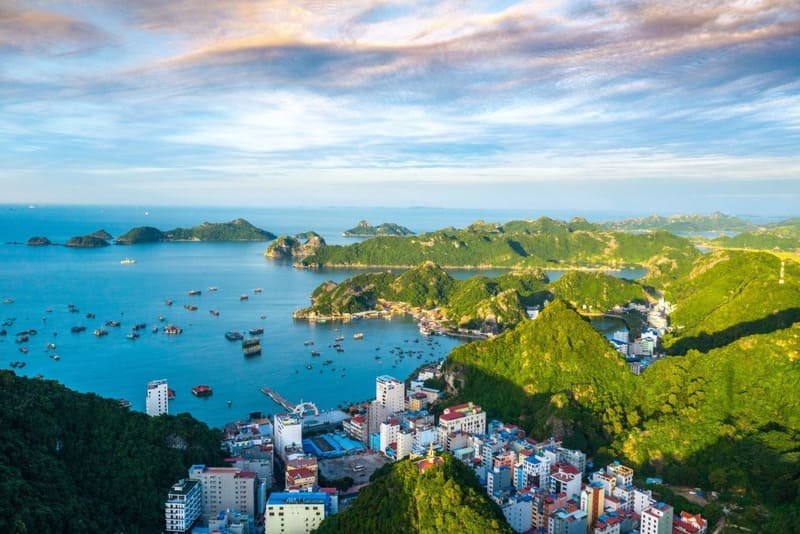
Cat Ba Island, the gateway to Lan Ha Bay (Source: Collected)
Exploring the bay area by boat is a defining experience in Northern Vietnam. The landscape of limestone karsts rising from calm water is best appreciated over time rather than on a rushed visit. Ha Long Bay is the most established option, with a wide range of cruise categories from mid-range to luxury.
For travelers looking for a quieter setting, Lan Ha Bay offers similar scenery with more space for kayaking and swimming. Bai Tu Long Bay tends to receive fewer tour groups and suits those who prefer a slower pace.
Most overnight cruises include kayaking, cave visits, short hikes or beach stops, cooking demonstrations, and onboard meals. A 2-day 1-night itinerary is the most common, though 3-day options allow access to less-visited areas.
Northern Vietnam’s mountain regions provide some of the most varied trekking routes in Southeast Asia. Areas such as Sapa, Pu Luong Nature Reserve, Mai Chau, Mu Cang Chai, and Ha Giang each offer different levels of difficulty and accessibility.
Short walks in Mai Chau or Pu Luong are suitable for beginners and families. Sapa provides well-established trekking routes with guides and accommodation options. More remote areas such as Ha Giang or Mu Cang Chai require longer travel time but offer wider landscapes and fewer crowds.
Trekking is not only about scenery. Routes often pass through villages where travelers can observe farming activities, local housing styles, and daily routines shaped by mountain conditions.
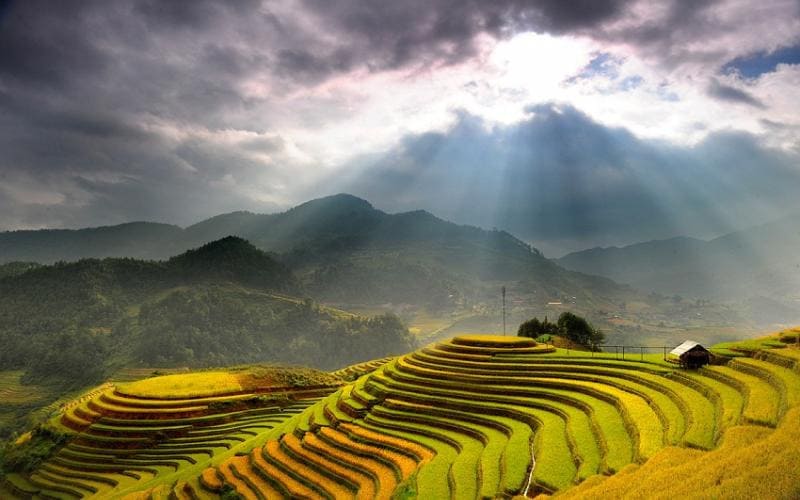
Layered rice terraces across Northern Vietnam (Source: Collected)
Hanoi remains the cultural and culinary center of Northern Vietnam. The city’s food culture is built around small-scale, family-run businesses rather than large restaurants, which is why street-level dining plays such an important role.
A guided food walk can help first-time visitors navigate local menus and understand how dishes are typically eaten. Common specialties include pho, bun cha, cha ca, banh cuon, sticky rice, and egg coffee.
Beyond food, Hanoi offers a dense mix of historical and cultural sites, including temples, museums, colonial buildings, and performance spaces. Spending at least two nights allows time to explore both the Old Quarter and surrounding districts at a more comfortable pace.
Homestays are widely available across Northern Vietnam, particularly in rural and mountain areas. Locations such as Ba Be Lake, Mai Chau, Pu Luong Nature Reserve, Sapa, and Ha Giang offer a range of options.
Traditional homestays are often family-run houses, sometimes on stilts, where guests share meals and living space with local hosts. Facilities may be basic, but the experience provides insight into food preparation, daily routines, and community life.
Some accommodations labeled as “homestay” operate more like boutique lodges with private rooms and modern amenities. Checking descriptions and reviews helps match expectations with the type of stay you prefer.
Northern Vietnam is home to diverse ethnic communities, especially in upland provinces. Markets are central to social and economic life, often held on fixed days of the week rather than daily.
Well-known examples include Bac Ha Market, Dong Van Market, and Meo Vac Market. These gatherings are places to trade goods, buy livestock, and maintain social connections, not just tourist attractions.
Traditional villages offer a different perspective. In lowland areas near Hanoi, craft villages produce pottery, silk, incense, lacquerware, and other handmade goods. In the mountains, visitors may encounter weaving, embroidery, herbal medicine practices, and locally adapted farming systems.
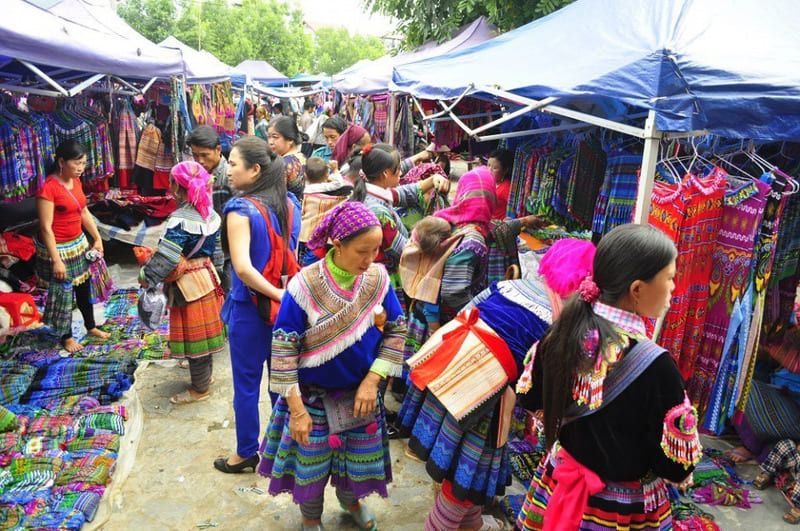
Local markets reveal Northern Vietnam’s highland culture (Source: Collected)
Natural sites across Northern Vietnam extend beyond the better-known bays and terraces. In Cao Bang, Ban Gioc Waterfall and Nguom Ngao Cave are key highlights. Ba Be National Park combines lake scenery with forest and cave systems, while Ninh Binh features river caves and limestone valleys.
Protected areas such as Cat Ba National Park and Pu Luong Nature Reserve add hiking trails, wildlife habitats, and quieter landscapes to the itinerary.
These destinations are well suited for travelers who want to balance cultural visits with time in nature and avoid spending the entire trip in major cities.
The best time to visit Northern Vietnam is generally from October to April, when the weather is cooler and drier. This period is ideal for Hanoi, Ninh Binh, Ha Long Bay, Sapa, Ha Giang, Mai Chau, Pu Luong, and other mountain regions.
However, the best month depends on what you want to experience.
For first-time travelers, October, November, March, and April are often the most balanced months. For rice terrace photography, September and early October are usually the best choices. You can also compare this with our guide to the best time to visit Sapa if Sapa is a priority in your itinerary
A 7-day Northern Vietnam itinerary is best for first-time visitors who want to combine Hanoi, nature, culture, and one major bay experience without rushing too much.
This route is suitable for travelers who want a smooth introduction to Northern Vietnam with limited travel fatigue. If you want a similar route arranged with transfers, hotels, guides, and cruise services, see this Hanoi Halong Bay Sapa tour.
A 10-day itinerary allows you to add mountain scenery and local culture to the classic Hanoi - Ninh Binh - Ha Long Bay route.
This route is good for travelers who want a balanced mix of city, countryside, mountains, river landscapes, and bay cruising.
A 14-day Northern Vietnam itinerary gives you enough time to explore both the classic highlights and more remote mountain regions.
This route is best for travelers who want a deeper northern journey with mountain roads, local villages, waterfalls, lakes, caves, limestone landscapes, and a classic bay cruise.
Hanoi is the main transport hub for Northern Vietnam. From Hanoi, you can reach most destinations by private car, limousine van, train, sleeper bus, or domestic flight.
For most first-time visitors, a combination of private transfers, guided tours, and selected local experiences is the safest and smoothest approach.
Packing for Northern Vietnam depends heavily on the season and the areas you plan to visit. Weather in Hanoi, Ha Long Bay, and Ninh Binh can be very different from Sapa, Ha Giang, or Mu Cang Chai.
Useful items include:
If you travel in winter, bring warm clothing for Sapa, Ha Giang, and other highland areas. Temperatures can be much lower than in Hanoi.
Northern Vietnam has many attractive destinations, but trying to visit too many places in one trip is a common mistake. The best route depends on your time, travel style, and comfort level.
If you have only one week, do not try to include both Ha Giang and Sapa unless you are comfortable with long travel days. If you have 10 to 14 days, you can build a stronger route that combines mountains, countryside, and bay scenery.
First-time visitors can also read these practical Vietnam travel tips covering money, transport, local etiquette, packing, SIM cards, and common mistakes to avoid.
For a first-time trip, 7 to 10 days is enough to see Hanoi, Ninh Binh, and Ha Long Bay or Lan Ha Bay. If you want to include mountain areas such as Sapa, Ha Giang, Cao Bang, Mai Chau, or Pu Luong, 10 to 14 days is much better. For a deeper journey through both the Northeast and Northwest, plan at least two weeks.
Yes. Northern Vietnam is one of the most diverse and rewarding regions in the country. It offers Hanoi’s culture and food, Ha Long Bay’s limestone seascapes, Ninh Binh’s rivers and caves, Sapa’s rice terraces, Ha Giang’s mountain passes, Cao Bang’s waterfalls, and many ethnic minority communities. It is especially worth visiting if you enjoy nature, local culture, photography, trekking, cruising, and scenic road journeys.
The best months for most travelers are October, November, March, and April because the weather is generally cooler and more comfortable. For rice terraces, September and early October are usually the best months, especially in Sapa, Mu Cang Chai, and Hoang Su Phi. For cooler, drier travel, November to April is a good period, though mountain areas can be cold in December and January.
Sapa is better if you want easier access, developed tourism services, rice terrace trekking, comfortable lodges, and a well-known mountain destination.
Ha Giang is better if you want dramatic mountain roads, remote landscapes, ethnic markets, photography, and a stronger adventure experience.
For first-time travelers with limited time, Sapa is easier. For adventurous travelers with at least three to four days, Ha Giang is often more impressive.
Yes. You do not need a motorbike to travel around Northern Vietnam. Many destinations can be visited by private car, limousine van, train, bus, guided tour, or cruise.
Even in Ha Giang, you can travel by private car or join an easy rider tour instead of driving yourself. For families, couples, older travelers, and those who prefer comfort, private transport is often the best choice.
Yes, some parts of Northern Vietnam can be cold in winter, especially from December to February. Hanoi can feel cool and damp, while mountain areas such as Sapa, Ha Giang, Mu Cang Chai, and Mau Son can be much colder. In highland areas, temperatures may drop below 10°C, and fog can reduce visibility. Bring warm clothes if you travel to the mountains during winter.
It is possible to travel during the rainy season, but you should be flexible. The rainy season usually runs from May to August, with hot, humid weather and occasional heavy rain. In mountain areas, heavy rain can affect trekking, visibility, road conditions, and travel times. In bay areas, storms may cause cruise changes or cancellations. If you travel during this period, avoid overly tight schedules and keep backup options in your itinerary.
Northern Vietnam offers one of the most complete travel experiences in Vietnam, combining culture, nature, food, and adventure in a single journey. From Hanoi’s Old Quarter to Ha Long Bay, Ninh Binh, and the mountain regions like Sapa or Ha Giang, each destination brings a different perspective and pace to your trip.
Need help choosing the right route? Northern Vietnam has many beautiful destinations, but the best itinerary depends on your travel time, comfort level, season, and interests. Your Vietnam Travel can help you combine Hanoi, Ninh Binh, Ha Long Bay, Sapa, Ha Giang, Pu Luong, or Cao Bang into a realistic tailor-made route.

 Vietnam Tours
 Cambodia Tours
 Laos Tours
 Thailand Tours
 Multi-Country Tours