Rising across the Hoang Lien Son mountain range near Sapa, Hoang Lien National Park protects one of Vietnam's most valuable mountain ecosystems. From the summit of Fansipan and moss-covered forests to colorful rhododendrons, rare wildlife, and traditional ethnic villages, the park offers a wide range of experiences for outdoor enthusiasts.
Hoang Lien National Park is located in the Hoang Lien Son mountain range, mainly covering parts of Sapa in Lao Cai Province and extending toward Lai Chau Province in northwestern Vietnam. The park lies about 20 kilometers from Sapa town center, making it one of the most accessible nature areas for visitors staying in Sapa.
The national park was established in 2002 after the area had already been protected as Hoang Lien - Sapa Nature Reserve. It covers nearly 30,000 hectares of mountainous terrain, with elevations ranging from around 1,000 to over 3,000 meters above sea level. Its most famous landmark is Fansipan Mountain, the highest peak in Vietnam and Indochina, rising to about 3,143 meters.
Hoang Lien National Park is divided into different functional zones, including strictly protected areas, ecological restoration areas, and administrative-service areas. Around the park, a large buffer zone connects with nearby villages and ethnic communities, where H’Mong, Dao, Giay, Tay, and other groups have lived for generations.
Thanks to its altitude, terrain, climate, and rich ecosystems, Hoang Lien National Park is considered one of Vietnam’s most valuable biodiversity areas. It has also been recognized as an ASEAN Heritage Park, highlighting its importance for nature conservation in Southeast Asia.
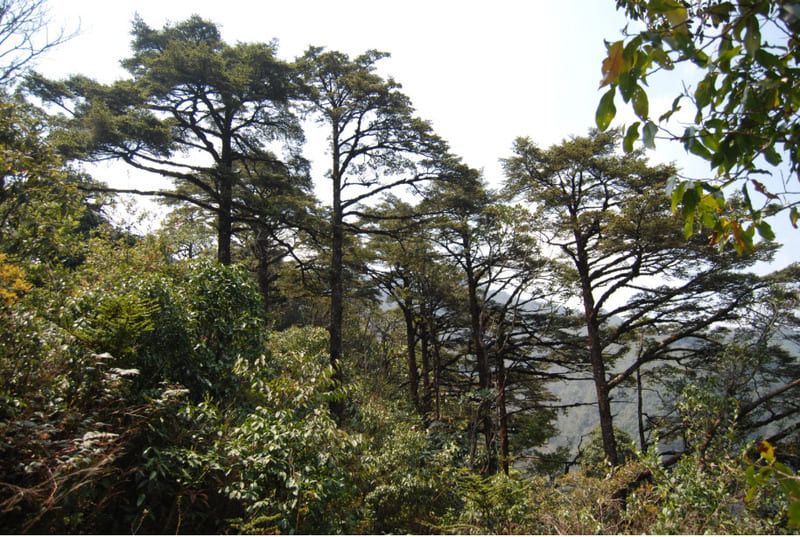
Hoang Lien National Park lies near Sapa town (Source: Collected)
Hoang Lien National Park is home to nearly 2,850 species of vascular plants, making it one of Vietnam's richest botanical regions. Among them are around 800 medicinal plant species and dozens of rare trees listed in Vietnam's Red Data Book.
Some of the park's most valuable species include green cypress, red pine, Fansipan fir, bamboo pine, and Yunnan cypress, many of which are considered endangered and are protected through ongoing conservation programs. Several have also been highlighted by international organizations such as WWF because of their limited distribution and ecological importance.
The park is equally famous for its spectacular mountain flowers. Visitors can find around 20 species of rhododendrons, along with rare orchids such as the jellyfish orchid and thick-lipped orchid, which thrive in the cool, humid mountain environment. During spring, blooming rhododendrons add vibrant shades of red, pink, white, and yellow to the forest, creating one of Hoang Lien's most beautiful natural displays.
Vegetation changes noticeably with elevation. Lower slopes are dominated by tropical forests with large trees such as cotton trees and jackfruit trees, together with dense vines and evergreen vegetation. Above roughly 700 meters, thick subtropical forests become more common, while higher elevations transition into ancient conifer forests where centuries-old trees, some reaching 50 to 60 meters in height, are covered with mosses, lichens, and epiphytes. This remarkable vertical diversity is one of the defining characteristics of Hoang Lien National Park.
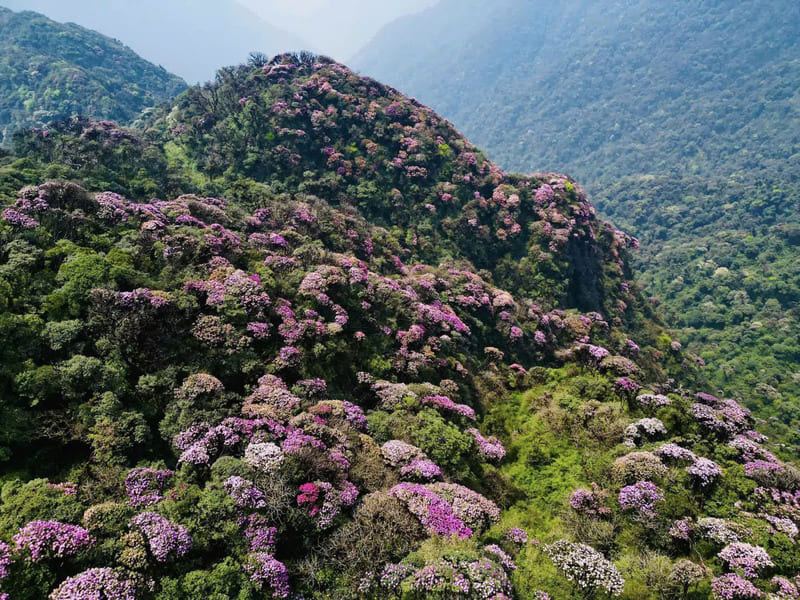
Mountain forests and flowers in Hoang Lien (Source: Collected)
Hoang Lien National Park supports an equally remarkable wildlife population. Scientists have recorded 555 terrestrial vertebrate species, including 96 mammals, 346 bird species, 63 reptiles, and 50 amphibians. More than 60 species are listed in Vietnam's Red Data Book, while 33 species are included on the IUCN Red List of threatened species.
The park provides habitat for several rare mammals, including the silver-cheeked langur, black gibbon, Asiatic black bear, mainland serow, and other mountain wildlife that depend on its protected forests. Among amphibians, the discovery of the rare spiny frog further highlights the park's scientific importance.
Birdwatchers are particularly drawn to Hoang Lien National Park because it is home to five bird species endemic to Vietnam and around 55 species unique to the Hoang Lien Son mountain range. Other notable birds include hornbills, large hawk-eagles, and the red-crested pheasant, making the park one of northern Vietnam's premier birdwatching destinations.
In addition to its vertebrate wildlife, Hoang Lien National Park is the only protected area in Vietnam where more than 300 butterfly species have been recorded. Many of these butterflies are rarely found elsewhere in the country, further emphasizing the park's exceptional ecological value and its importance for biodiversity conservation.
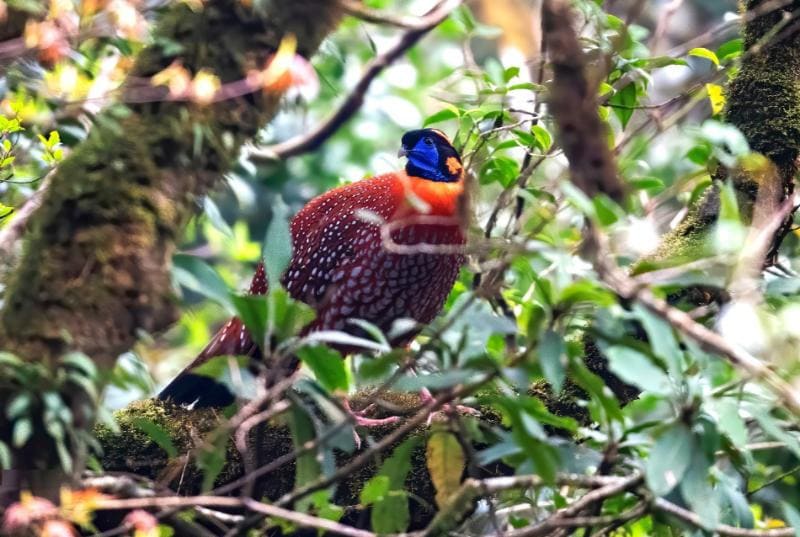
Hoang Lien is home to rich mountain wildlife (Source: Collected)
Hoang Lien National Park can be visited year-round, but the experience changes significantly by season. The best time depends on what you want to see and do.
For most travelers, the best overall months are March to May and September to November. These periods offer a good balance of comfortable weather, scenic landscapes, and safer trekking conditions.
If you're planning to explore more of the region, discover the best time to visit Sapa for trekking, sightseeing, and cultural experiences.
Most travelers reach Hoang Lien National Park via Sapa, the main tourism hub in Lao Cai Province.
From Hanoi, you can travel to Sapa by train, sleeper bus, limousine bus, private car, or motorbike. The most common options are train and bus.
Once you are in Sapa, you can reach different parts of Hoang Lien National Park by taxi, motorbike, private car, or guided tour. Popular access points include Tram Ton Pass, Love Waterfall, Golden Stream, O Quy Ho Pass, and trekking routes toward Fansipan.
If you plan to trek deep into the forest or climb Fansipan, it is best to arrange the trip with a licensed local guide or tour operator. Some trekking routes require permits, and weather conditions in the mountains can change quickly.
Trekking to Fansipan Peak is one of the most challenging and rewarding experiences in Hoang Lien National Park. Known as the “Roof of Indochina,” Fansipan is the highest mountain in Vietnam and a major symbol of Sapa’s mountain landscape.
There are several trekking routes to Fansipan, each with a different level of difficulty.
If you do not want to hike, you can still experience Fansipan by cable car. The Fansipan cable car departs from the Sapa area and takes visitors close to the summit. From the upper station, you can continue by stairs or funicular to the top. This is a better option for families, older travelers, or visitors with limited time.
For trekking, always check weather conditions, prepare proper footwear, bring warm layers, and avoid hiking without a guide on long or remote routes.
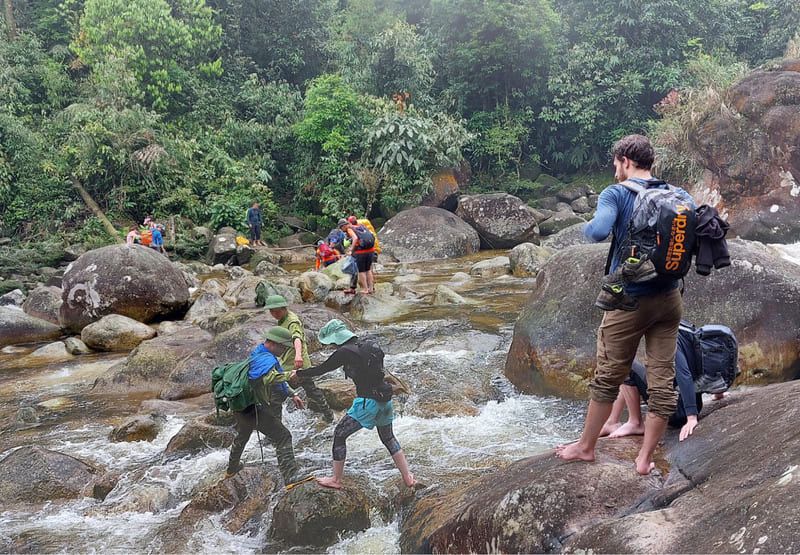
Fansipan trekking is a highlight of Hoang Lien (Source: Collected)
Love Waterfall and Golden Stream are among the most popular natural attractions inside Hoang Lien National Park. They are located near the road toward O Quy Ho Pass, about 14 kilometers from Sapa town.
The trail to Love Waterfall is relatively accessible compared with Fansipan trekking. Visitors walk through forest paths, bamboo groves, and mountain vegetation before reaching the waterfall. Along the way, the sound of birds, flowing water, and rustling leaves creates a peaceful forest atmosphere.
Love Waterfall is often described as one of the most romantic waterfalls in Sapa. It drops from the mountains into the Golden Stream below, surrounded by greenery and rock formations. Golden Stream gets its name from the yellowish stones under the clear water, which can glow under sunlight.
This area is suitable for travelers who want a short nature walk without committing to a long trek. It is also good for photography, especially during the dry season when the path is safer and visibility is clearer.
O Quy Ho Pass is one of the most famous mountain passes in northern Vietnam. It connects Lao Cai and Lai Chau provinces and runs along the Hoang Lien Son mountain range. The pass is often called one of the most spectacular passes in Vietnam because of its high altitude, winding roads, deep valleys, and cloud-covered mountain views.
The top area around O Quy Ho is a popular place to admire the “sea of clouds,” especially in the early morning or late afternoon when the weather is clear. On sunny days, the pass offers sweeping views of mountains, valleys, and forested slopes. On misty days, the scenery becomes more mysterious and dramatic.
Tram Ton Pass is closely connected with O Quy Ho and is also an important access point for Hoang Lien National Park. Many Fansipan trekking routes begin near this area. It is one of the best places to feel the transition between Sapa’s cool mountain climate and the rugged terrain of the Hoang Lien Son range.
You can combine O Quy Ho Pass, Tram Ton Pass, Silver Waterfall, Love Waterfall, and Golden Stream in a half-day or full-day trip from Sapa. This route is ideal for travelers who want mountain scenery without doing a long trek.
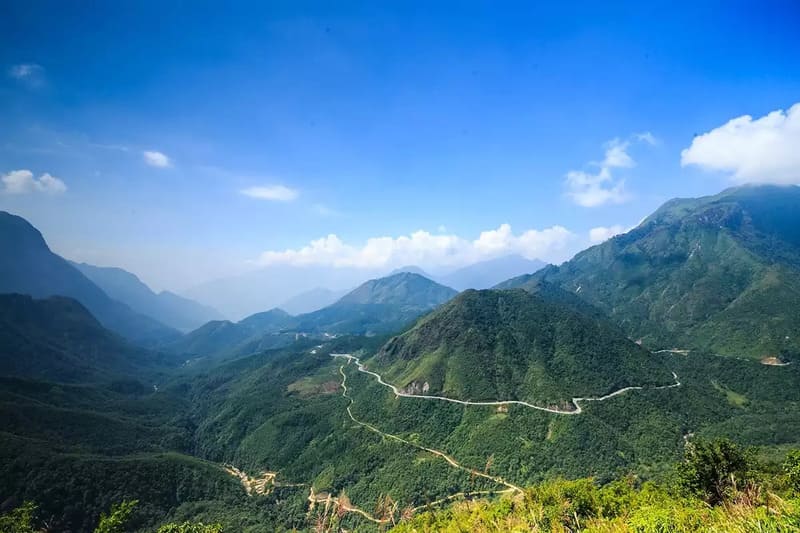
O Quy Ho Pass offers sweeping mountain views (Source: Collected)
One of the most special experiences in Hoang Lien National Park is walking through its ancient forests. These forests are not just scenic; they are part of one of Vietnam’s most important mountain ecosystems.
As you move through different elevations, the forest changes. Lower areas are warmer and greener, with thick vegetation, streams, and larger broadleaf trees. Higher elevations become cooler and mistier, with moss-covered branches, rhododendrons, orchids, bamboo groves, and ancient trees.
The ancient forest areas along trekking routes give visitors a chance to see how nature adapts to altitude. You may notice sudden changes in temperature, humidity, light, and vegetation within a single hike. In the early morning, fog often moves through the forest canopy, creating a quiet and almost mystical atmosphere.
This experience is best enjoyed with a local guide who understands the trails, plants, wildlife, and safety conditions. A guide can also explain how local communities use certain herbs, forest products, and traditional knowledge in daily life.
A trip to Hoang Lien National Park is not only about nature. The surrounding area is also home to ethnic communities with long-standing traditions, including H’Mong, Dao, Giay, Tay, and other groups.
Nearby villages such as Cat Cat, Lao Chai, Ta Van, Ta Phin, Ban Ho, and villages around Muong Hoa Valley are often combined with a visit to the national park. These places offer a closer look at local life, terraced rice farming, traditional wooden houses, brocade weaving, herbal medicine, and mountain cuisine.
In Muong Hoa Valley, travelers can walk between rice terraces, cross small streams, visit local homes, and stay overnight in homestays. This is one of the best ways to experience the cultural side of Sapa while supporting community-based tourism.
When visiting local villages, respect local customs. Ask before taking photos of people, avoid giving money or candy to children, and buy handicrafts directly from local artisans if you want to support the community.
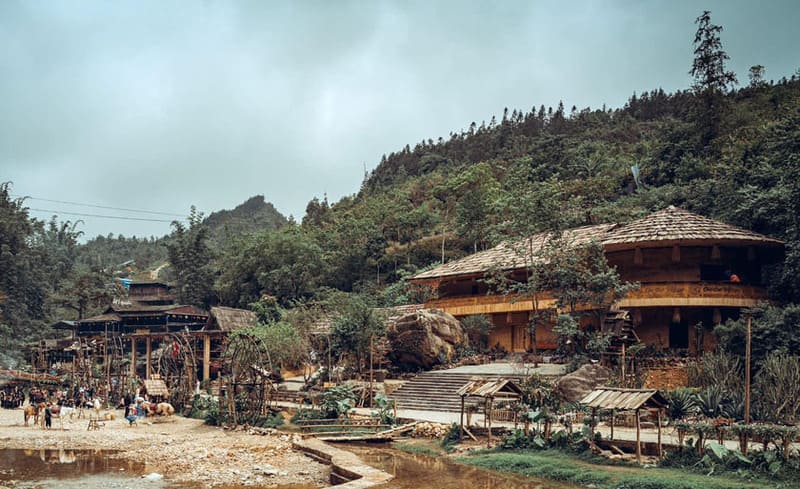
Ethnic villages add culture to a Sapa nature trip (Source: Collected)
Most travelers stay in Sapa town because it has the widest range of accommodation, restaurants, transport services, and tour operators. From Sapa, you can easily arrange day trips or trekking tours to Hoang Lien National Park, Fansipan, Love Waterfall, O Quy Ho Pass, and nearby villages.
If you want comfort and convenience, choose a hotel or resort in Sapa town. This is suitable for families, first-time visitors, and travelers who prefer easy access to restaurants, cafés, markets, and transport.
If you want a more local experience, consider staying in a homestay in villages such as Ta Van, Lao Chai, Ta Phin, or Ban Ho. Homestays are a good choice for travelers who want to enjoy rice terrace views, local meals, and a slower pace outside the town center. They also make it easier to combine trekking with cultural experiences.
For adventurous trekkers, camping may be possible on longer Fansipan routes or remote trekking itineraries. However, camping should only be arranged with proper guides and permits. Mountain weather can be cold, wet, and unpredictable, especially at higher elevations. You will need suitable gear, including a tent, sleeping bag, warm clothing, flashlight, rain protection, food, and enough water.
In general:
To help protect Hoang Lien National Park and enjoy a safe visit, keep these practical tips in mind:
Hoang Lien National Park is around 20 kilometers from Sapa town center, depending on the area you visit. Popular sites such as Love Waterfall, Golden Stream, Silver Waterfall, Tram Ton Pass, and O Quy Ho Pass are usually reachable within 30 to 45 minutes by car or motorbike.
A guide is not necessary for easy sites such as Love Waterfall, Golden Stream, Silver Waterfall, or viewpoints near O Quy Ho Pass. For longer treks, Fansipan routes, remote forest trails, overnight camping, or trips during bad weather, traveling with a local guide is strongly recommended. Some routes may also require permits or official arrangements.
Yes. Beginners can choose short walks to Love Waterfall, Golden Stream, or easy forest trails near Sapa. Guided day treks are also suitable for first-time hikers. Fansipan trekking is more challenging and requires better fitness, especially on multi-day routes via Sin Chai or Cat Cat.
Half a day is enough for a quick visit to waterfalls or mountain viewpoints. A full day allows you to combine waterfalls, passes, and short forest walks. For Fansipan trekking or deeper exploration, plan two to three days. If you want to include ethnic villages around Sapa, three to four days is more comfortable.
Yes. Fansipan belongs to the Hoang Lien Son range and is closely connected with Hoang Lien National Park. As the highest mountain in Vietnam and Indochina, it is one of the area’s most important natural landmarks. Visitors can reach Fansipan by trekking through the national park or taking the cable car from Sapa.
Hoang Lien National Park offers far more than a chance to see Fansipan. Ancient forests, rare wildlife, mountain waterfalls, ethnic villages, and spectacular trekking routes make it one of Vietnam's most rewarding nature destinations. Whether you spend a few hours exploring waterfalls or several days trekking through the mountains, careful planning will help you make the most of your visit.
Planning a trip to Sapa? Your Vietnam Travel can help you customize an itinerary that combines Hoang Lien National Park with Fansipan, Muong Hoa Valley, and nearby ethnic villages for a seamless mountain adventure.

 Vietnam Tours
 Cambodia Tours
 Laos Tours
 Thailand Tours
 Multi-Country Tours