Central Vietnam offers one of the most balanced travel experiences in Southeast Asia. In a relatively compact region, you can explore imperial cities, UNESCO heritage sites, long stretches of coastline, and cool highland landscapes. Distances are manageable, transport is well connected, and the variety of experiences suits first-time visitors and returning travelers alike.
This guide focuses on what matters for planning: where to go, what to prioritize, how to move between destinations, and how to build an itinerary that fits your time.
Central Vietnam lies between Northern Vietnam and Southern Vietnam, stretching from Thanh Hoa and Nghe An in the north-central area down toward Binh Thuan and the Central Highlands. For most international travelers, the core travel route is the coastal and heritage corridor from Hue to Da Nang and Hoi An.
This area is easy to combine with a larger Vietnam itinerary. You can fly into Da Nang International Airport, travel overland to Hue and Hoi An, or extend north to Phong Nha and south to Quy Nhon, Nha Trang, or Da Lat.
In practical travel terms, Central Vietnam is best known for:
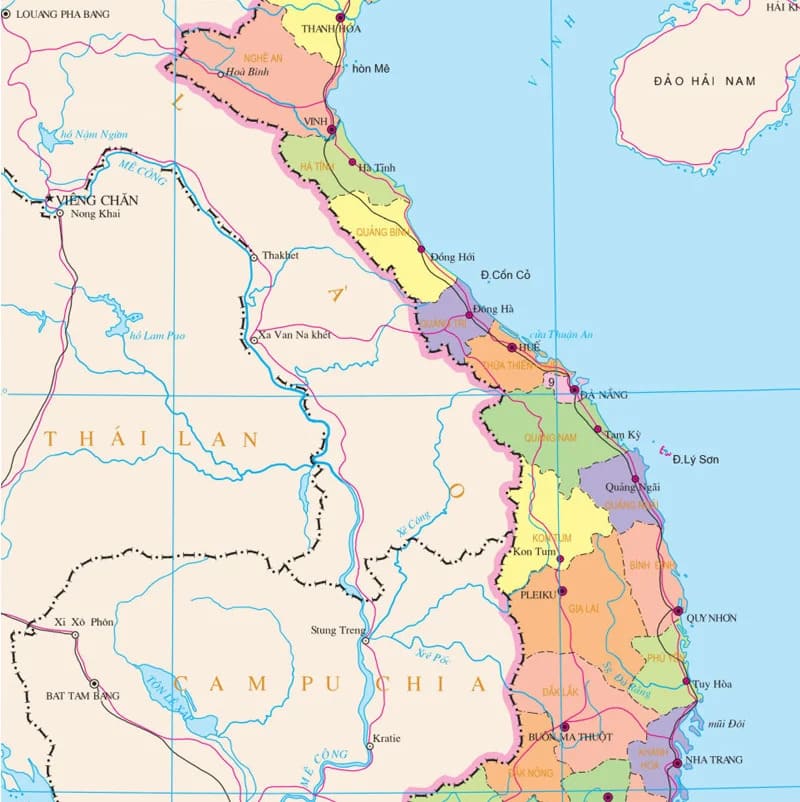
Map of Central Vietnam (Source: Collected)
Central Vietnam is divided into three broad areas: the North Central Coast, the South Central Coast, and the Central Highlands. Each area has its own landscapes, weather patterns, culture, and travel style.
The North Central Coast includes places such as Thanh Hoa, Nghe An, Ha Tinh, Quang Tri, and Hue. This area is especially strong for history, caves, national parks, war-related sites, and imperial heritage.
For travelers, the most important stops are usually Hue and Phong Nha. Hue is ideal for imperial history, royal tombs, pagodas, and refined local cuisine. Phong Nha is best for cave adventures, jungle landscapes, and nature-based travel.
This region can experience heavy rain from September to November, so travel plans should remain flexible during the wettest months.
The South Central Coast covers some of Vietnam’s best-known beach and heritage destinations, including Da Nang, Hoi An, Quy Nhon, Nha Trang, and Phan Thiet. This is the easiest region for most travelers because it has strong tourism infrastructure, good hotels, airports, beaches, restaurants, and convenient transport.
Da Nang, Hoi An, and Hue are often combined in one classic Central Vietnam itinerary. Quy Nhon and Nha Trang are better for travelers who want more beach time, island trips, or a slower coastal route.
This region is excellent for families, couples, first-time visitors, and travelers who want a mix of sightseeing and relaxation.
The Central Highlands include Da Lat, Buon Ma Thuot, Pleiku, Kon Tum, Dak Nong, and Mang Den. This area has a cooler climate, mountain scenery, waterfalls, coffee plantations, pine forests, and ethnic minority cultures.
Da Lat is the most accessible and popular highland destination, especially for Vietnamese travelers and couples. Buon Ma Thuot is ideal for coffee lovers and cultural exploration, while Mang Den is quieter and more suitable for travelers looking for nature, homestays, and a peaceful atmosphere.
The Central Highlands require more travel time than the coastal route, so they are best added to a 7-day or 10-day itinerary rather than a short first-time trip.
Hue is the best place in Central Vietnam to understand Vietnam’s imperial past. Set along the Perfume River, the city served as the capital of the Nguyen Dynasty from 1802 to 1945, making it one of the country’s most important historical and cultural centers.
The heart of Hue is the Complex of Hue Monuments, recognized by UNESCO as a World Heritage Site in 1993. The Imperial City is the main landmark, but the experience becomes more meaningful when you also visit the royal tombs outside the city center. Minh Mang Tomb is known for its balanced layout and peaceful lakeside setting, while Khai Dinh Tomb stands out for its mix of Vietnamese and European architectural details.
Hue is also worth visiting for its slower rhythm. A good day here might include the Imperial City in the morning, Thien Mu Pagoda by the Perfume River, Dong Ba Market for local food, and an afternoon visit to one or two royal tombs. Food is a major part of the experience, especially dishes such as bun bo Hue, banh beo, banh khoai, and com hen.
For most travelers, two nights in Hue is more comfortable than a rushed day trip. This gives you enough time to explore the main heritage sites, try local cuisine, and experience the city beyond its monuments.
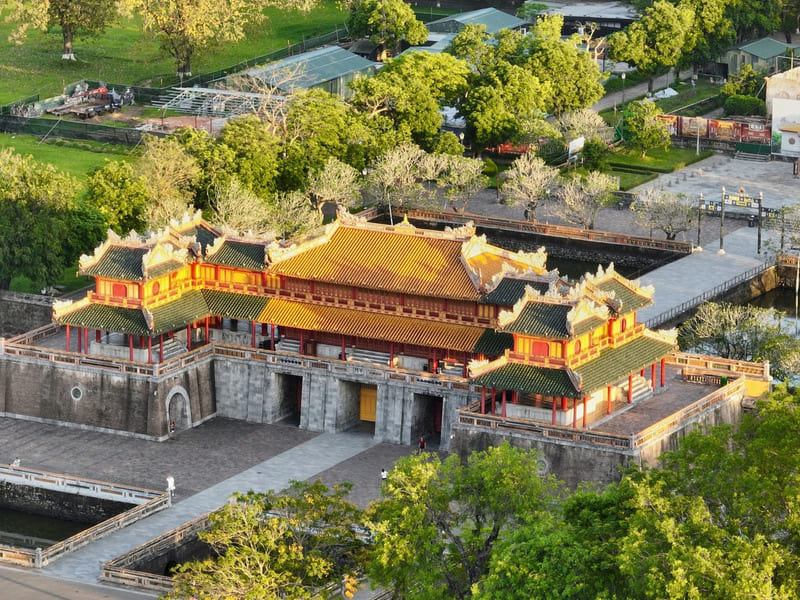
Hue is the cultural heart of Central Vietnam (Source: Collected)
Da Nang is the most practical gateway to Central Vietnam. It has one of the region’s busiest airports, a long coastline, modern hotels, beach resorts, and easy road connections to Hoi An, Hue, Ba Na Hills, the Marble Mountains, and Son Tra Peninsula.
For first-time visitors, Da Nang works best as a flexible base rather than just a beach stop. You can spend the morning at My Khe Beach, visit the Marble Mountains before the midday heat, explore the Museum of Cham Sculpture for cultural context, and end the evening around the Dragon Bridge or Han River area. The city is also convenient for families because transport is simple, restaurants are varied, and many resorts sit directly along the coast.
Da Nang’s biggest advantage is location. Hoi An is around 30 kilometers away, while Hue is roughly 90 to 100 kilometers away depending on the route. This makes it easy to build day trips or multi-stop itineraries without changing hotels too often.
Choose Da Nang if you want comfort, beach access, and efficient logistics. Choose Hoi An if you prefer atmosphere and heritage charm. Many travelers combine both to get the best of each destination.
If you want to plan your city days in more detail, see our guide to the best things to do in Da Nang.

Da Nang is a convenient gateway to Central Vietnam (Source: Collected)
Hoi An offers a very different experience from Da Nang. Instead of a modern coastal city, it gives travelers a compact heritage town shaped by centuries of trade between Vietnamese, Chinese, Japanese, and European merchants. Its Ancient Town was recognized by UNESCO in 1999 and remains one of the most atmospheric places to visit in Vietnam.
The best way to enjoy Hoi An is not to rush from one landmark to another. Start with the Japanese Covered Bridge, old merchant houses, Chinese assembly halls, and local markets, then leave time for quieter experiences outside the old town. Tra Que Vegetable Village is good for cycling and farming activities, Cam Thanh coconut village is popular for basket boat rides, and An Bang Beach offers a relaxed coastal break just a short drive away.
Hoi An is especially strong for hands-on travel experiences. Cooking classes, lantern-making workshops, tailor-made clothing, market visits, and countryside cycling make the town more interactive than many sightseeing destinations.
A minimum of two nights is recommended. One day gives you the Ancient Town, but two or three days allow you to enjoy Hoi An’s food, villages, beach, and evening lantern atmosphere at a better pace.
For a deeper look at the heritage area, read our guide to Hoi An Ancient Town before planning your visit.
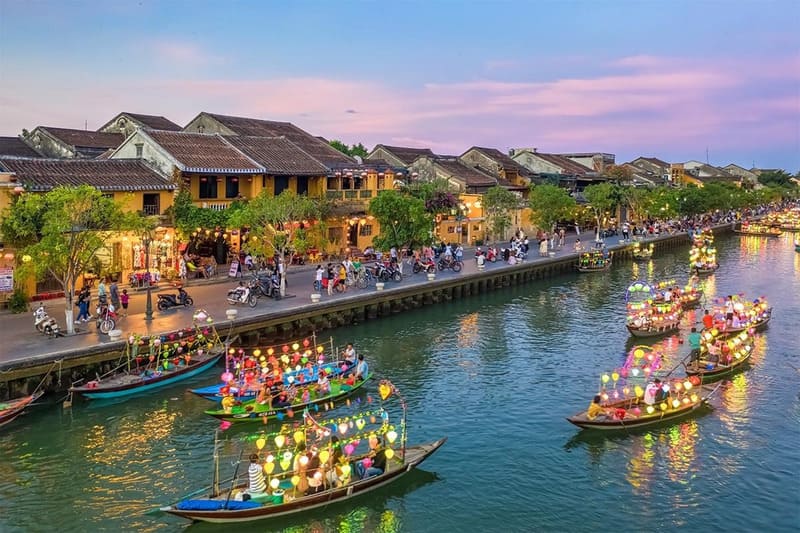
Hoi An charms visitors with lanterns and heritage streets (Source: Collected)
My Son Sanctuary is one of the most important archaeological sites in Central Vietnam and a valuable stop for travelers who want to understand the Cham civilization. Located about 40 kilometers from Hoi An and around 70 kilometers from Da Nang, it is usually visited as a half-day trip.
The site was a major religious center of the Champa Kingdom, with temple construction taking place over many centuries. Most of the remaining towers are dedicated to Hindu deities, especially Shiva, and are built from red brick with carved sandstone details. Although parts of the complex were damaged during wartime, the surviving structures still show the technical skill and spiritual life of the Cham people.
My Son is not as large or visually complete as Angkor in Cambodia, so expectations matter. Its value lies in history, architecture, and cultural context rather than scale. Visiting with a guide can make a big difference, as many details are easy to miss without explanation.
The best time to visit is early morning, when temperatures are cooler and the site is less crowded. For travelers staying in Hoi An, My Son combines well with an afternoon in the countryside or a relaxed evening in the Ancient Town.
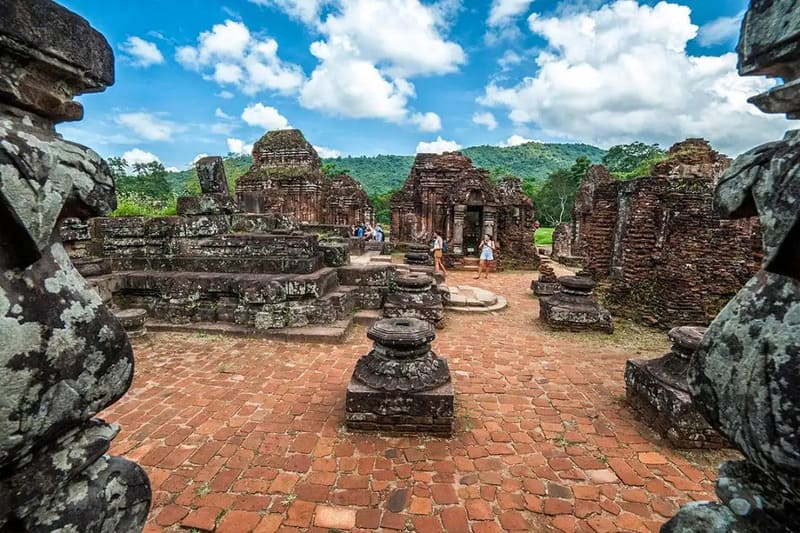
My Son reveals the legacy of the ancient Cham kingdom (Source: Collected)
Phong Nha stands out as the most nature-driven destination in Central Vietnam, especially for travelers looking beyond beaches and heritage cities. Located in Quang Binh Province, the area centers around Phong Nha-Ke Bang National Park, a protected landscape covering over 120,000 hectares of limestone karst, jungle, and underground river systems.
What makes Phong Nha different is not just sightseeing, but the range of physical experiences. You can take a relaxed boat ride into Phong Nha Cave, walk through the well-lit pathways of Paradise Cave, or go further with activities like ziplining and mud cave exploration at Dark Cave. For more serious adventure, multi-day treks in the Tu Lan cave system involve jungle hiking, river crossings, and camping.
The region is also home to Son Doong Cave, but access is strictly limited, expensive, and requires advance booking with a licensed operator.
Phong Nha works best as a 2-3 night stop, especially if you want to combine light exploration with one full adventure day. Travel logistics require some planning, as the nearest airport is Dong Hoi, about 45 km away.
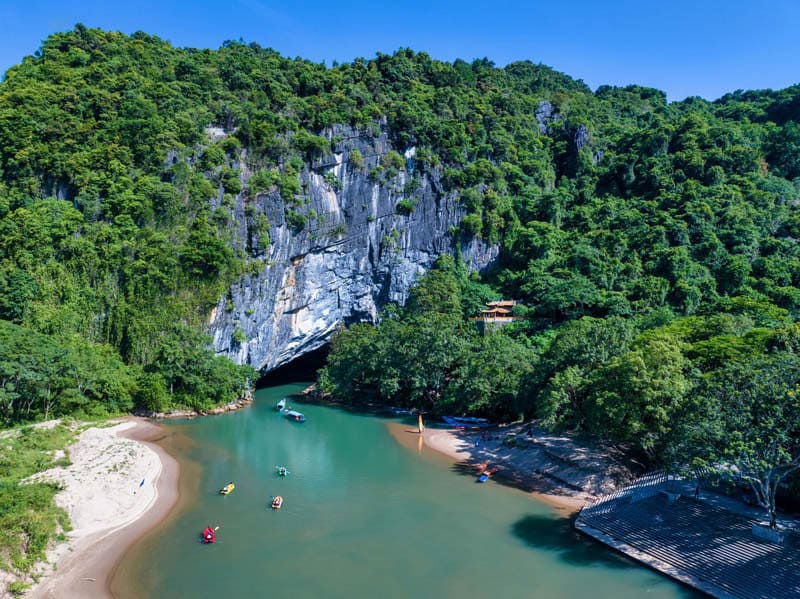
Phong Nha is known for caves, rivers, and jungle scenery (Source: Collected)
The Hai Van Pass is less a destination and more a travel experience between destinations. Stretching roughly 20 kilometers between Hue and Da Nang, this mountain road reaches an elevation of around 500 meters and marks the natural divide between northern and southern climate zones.
What makes this route memorable is the constant shift in scenery. One side opens to the coastline and Lang Co Bay, while the other side is covered in dense green hills. At the summit, you will find remnants of old French bunkers and panoramic viewpoints.
Travel time across the pass itself is about 45 - 60 minutes without stops, but most journeys take longer due to photo breaks. A private car transfer is the most efficient option, especially if you are traveling with luggage. Motorbike routes are popular for independent travelers, but road conditions can change quickly with rain or fog.
Including the Hai Van Pass in your itinerary turns a standard transfer into a highlight, especially when moving between Hue and Da Nang.
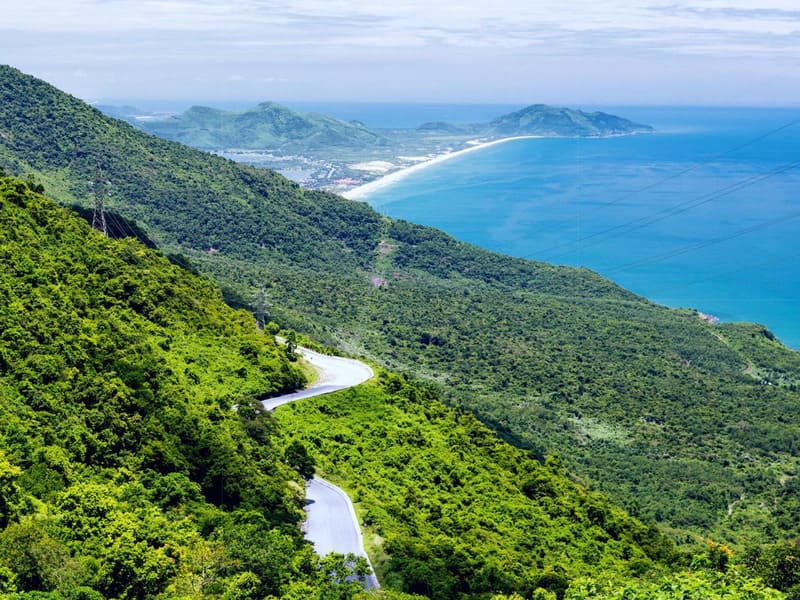
The Hai Van Pass offers one of Vietnam’s great coastal drives (Source: Collected)
Quy Nhon offers a quieter version of Central Vietnam’s coastline, with fewer international tourists and a stronger local atmosphere. Located in Binh Dinh Province, it is still developing as a travel destination, which is part of its appeal.
Instead of large resorts and crowded beaches, Quy Nhon focuses on raw coastal scenery. Spots like Ky Co Beach and Eo Gio are known for clear water, rocky cliffs, and open sea views. Offshore islands such as Hon Kho Island are suitable for snorkeling and day trips.
Culturally, the region is also tied to the Champa civilization. The Banh It Towers and Thap Doi Cham Towers provide a quieter alternative to My Son, with fewer visitors.
Quy Nhon is not essential for a short itinerary, but it becomes a strong addition if you have 7-10 days or want a less commercial beach stop after Hoi An or Da Nang.
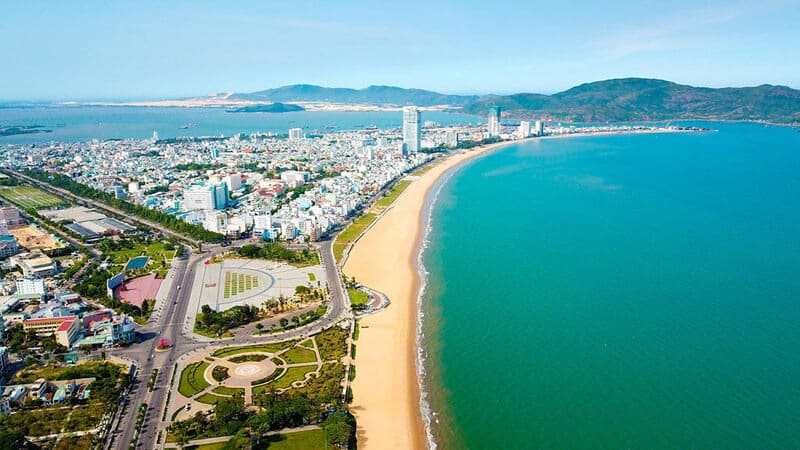
Quy Nhon is a quieter coastal escape in Central Vietnam (Source: Collected)
Nha Trang is one of Vietnam’s most developed coastal destinations, combining beach access with a wide range of activities and accommodation options. Unlike quieter cities such as Quy Nhon, Nha Trang has a more urban and energetic feel.
The main beach runs directly along the city center, making it easy to combine sightseeing with relaxation. For clearer water and better snorkeling, most travelers head offshore to islands like Hon Mun Island, known for coral reefs and marine biodiversity.
Beyond the coast, the city also has cultural and wellness attractions. The Po Nagar Cham Towers date back to the 7th-12th centuries, while mud bath complexes such as Thap Ba or I-Resort are popular for relaxation after travel days.
Nha Trang is a practical choice for travelers who want:
It works well as a 2-3 night beach stop or as an extension to a longer Central or Southern Vietnam itinerary. If beach time is a priority, you may also consider a longer Vietnam beach tour that combines Central Vietnam with Nha Trang, Hoi An, Halong Bay, or Phu Quoc.
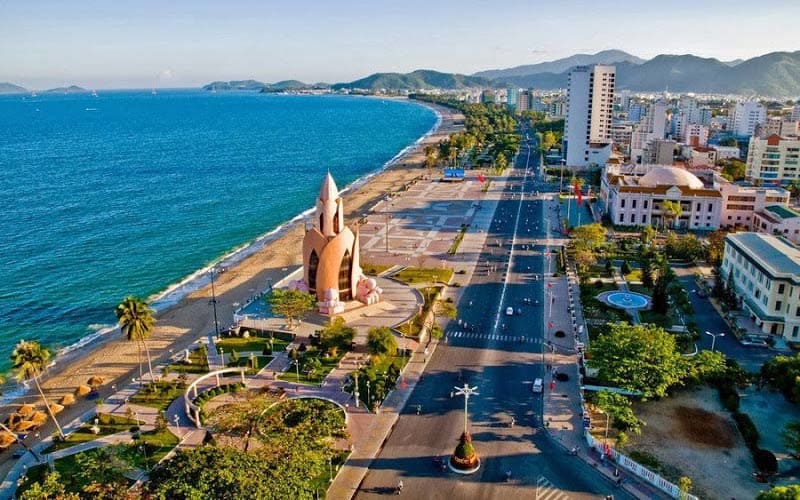
Nha Trang combines city beaches with island trips (Source: Collected)
Da Lat sits at an elevation of around 1,500 meters above sea level, which explains its year-round mild temperatures, typically ranging between 15°C and 24°C. This cooler climate makes it one of the few destinations in Vietnam where you can comfortably explore outdoors throughout the day without the coastal heat.
The city is structured around Xuan Huong Lake, with many attractions located within a short driving distance. Visitors often combine cultural stops like Da Lat Railway Station and Bao Dai Summer Palace with nature-based sites such as Datanla Waterfall and panoramic viewpoints at Langbiang Mountain.
Beyond sightseeing, Da Lat is known for its lifestyle experiences. Coffee culture is a major highlight, with a growing number of specialty cafes overlooking valleys and pine forests. Activities such as canyoning, countryside motorbike rides, and visits to flower farms or strawberry gardens add variety to a typical itinerary.
Da Lat works well as a 2-3 night destination, especially for travelers looking to slow down after coastal cities or those interested in scenery, climate, and café culture rather than historical sightseeing.
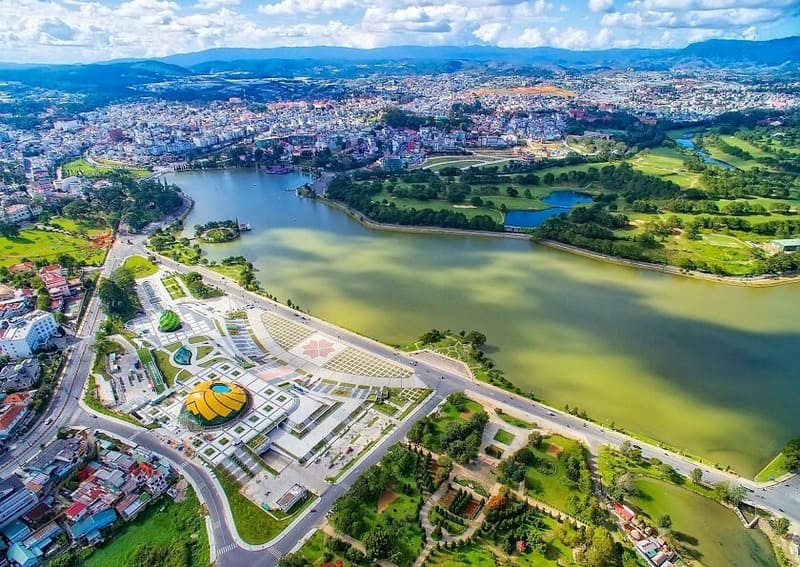
Da Lat offers cool weather, pine hills, and coffee culture (Source: Collected)
Buon Ma Thuot offers a more grounded and less commercial version of the Central Highlands. It is the center of Vietnam’s coffee industry, producing a large share of the country’s robusta beans, and provides a more authentic look at highland life compared to Da Lat.
One of the key stops is the World Coffee Museum, which introduces both global and Vietnamese coffee traditions. Outside the city, natural attractions such as Dray Nur Waterfall and Dray Sap Waterfall are among the most impressive in the region, particularly during the rainy season when water levels are higher.
Lak Lake is another highlight, where travelers can experience traditional stilt houses and learn about local communities such as the M’nong people.
Buon Ma Thuot is not designed for quick sightseeing. It suits travelers who want to understand regional culture, explore beyond mainstream routes, and experience Vietnam’s coffee heritage at its source. A 2-night stay is usually enough to cover the main highlights without rushing.
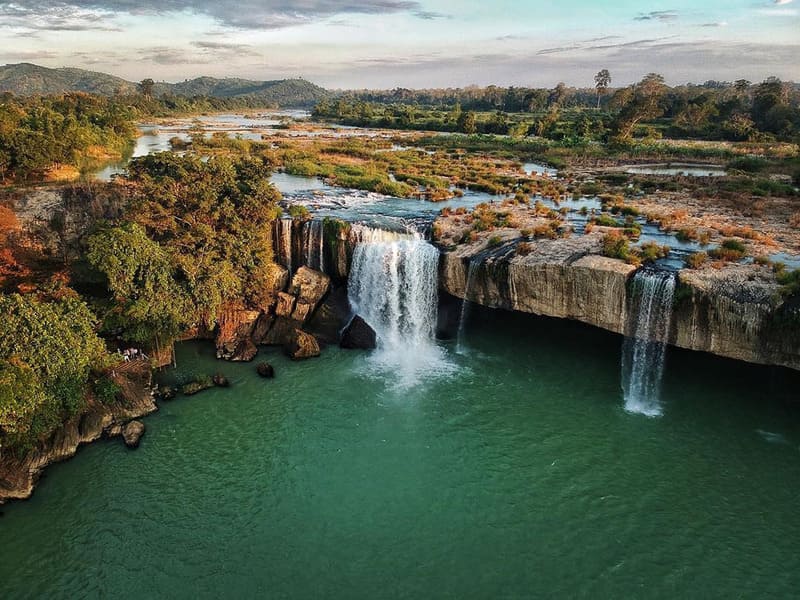
Buon Ma Thuot is the heart of Vietnam’s coffee highlands (Source: Collected)
Mang Den remains one of the least developed tourist areas in Central Vietnam, which is exactly why some travelers choose it. Located at around 1,200 meters above sea level in Kon Tum Province, the town has a cooler climate similar to Da Lat but with significantly fewer visitors.
The appeal here is simplicity. Instead of a long list of attractions, Mang Den offers a quiet environment with forest roads, lakes, and small-scale local experiences. Places such as Pa Sy Waterfall and Dak Ke Lake are easy to access and best enjoyed without crowds.
Accommodation tends to be homestays or small lodges rather than large hotels. This creates a different travel rhythm, where time is spent walking, enjoying the landscape, and interacting with local communities rather than moving between major sights.
Mang Den is best suited for travelers who already visited Da Lat or prefer quiet destinations. It is not ideal for first-time visitors with limited time, but it works well as a slow travel stop in a longer Central Highlands itinerary.
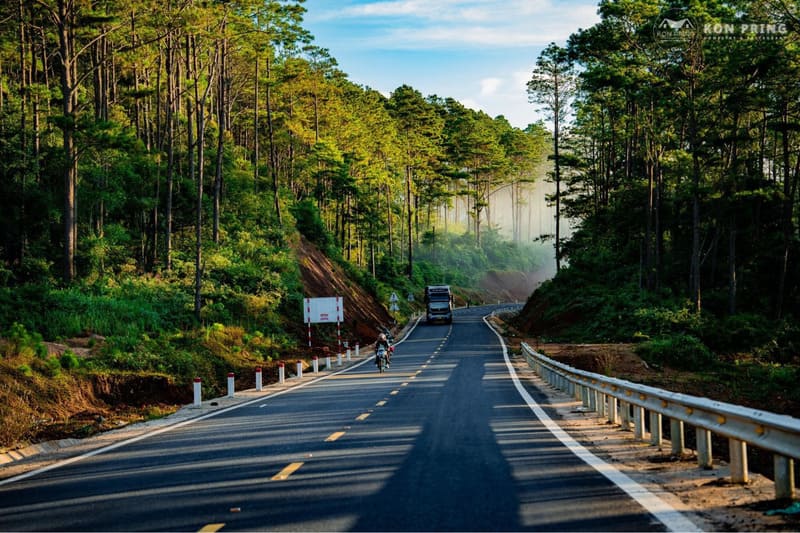
Mang Den is a peaceful highland retreat with fewer crowds (Source: Collected)
If your schedule allows, several additional destinations can expand your Central Vietnam experience beyond the main route.
Quang Tri is significant for modern history, with sites such as the Vinh Moc Tunnels and areas along the former Demilitarized Zone. This region adds historical depth but is usually skipped on short itineraries.
Thanh Hoa and Nghe An offer beaches, national parks, and local cultural sites, though they are more common in domestic travel routes than inbound itineraries.
Further south, Ninh Thuan and Phan Rang stand out for their drier climate, vineyards, and well-preserved Cham towers. Phan Thiet and Mui Ne are better known for sand dunes, kitesurfing, and resort-style beach stays.
For a first Central Vietnam trip, it is more effective to focus on a core route: Hue, Da Nang, Hoi An, My Son, and the Hai Van Pass. Destinations such as Phong Nha, Quy Nhon, Nha Trang, Da Lat, Buon Ma Thuot, and Mang Den should be added based on available time and travel priorities rather than trying to include everything in one itinerary.
Central Vietnam is one of the best regions in Vietnam for UNESCO heritage. In one trip, you can visit the Imperial City and royal tombs in Hue, the lantern-lit Ancient Town of Hoi An, the Cham temple ruins of My Son Sanctuary, and the cave systems of Phong Nha-Ke Bang National Park.
Hue and Hoi An are ideal for first-time visitors. My Son is best as a half-day trip from Hoi An or Da Nang, while Phong Nha needs at least two extra days because of the longer travel distance.
The Hai Van Pass turns the journey between Hue and Da Nang into one of Central Vietnam’s most scenic experiences. The road climbs along the mountains with views of Lang Co Bay, the coastline, and old fortifications near the summit.
A private car with sightseeing stops is the easiest option for most travelers. Motorbike tours are more adventurous but better suited to confident riders or guided experiences, especially when the weather is wet or foggy.
Central Vietnam offers beaches for different travel styles. Da Nang is the most convenient for beach resorts and city access. Hoi An’s An Bang Beach is better for a relaxed atmosphere. Quy Nhon feels quieter and more local, while Nha Trang is stronger for island trips, snorkeling, and resort stays.
The best beach months are usually from February to August. From September to November, rough seas and storms can affect swimming, boat trips, and island tours.
Phong Nha is the top choice for caves, jungle scenery, and adventure tours, with highlights such as Phong Nha Cave, Paradise Cave, and Dark Cave. Bach Ma National Park is a good nature stop between Hue and Da Nang, especially for short hikes and waterfalls.
In the Central Highlands, Da Lat and Buon Ma Thuot offer cooler weather, waterfalls, coffee plantations, and countryside landscapes. These areas are best for travelers who want nature beyond the coast.
Food is a major reason to visit Central Vietnam. Hue is known for bun bo Hue, banh beo, banh khoai, and refined local dishes. Da Nang is a good place to try mi quang, seafood, and banh trang cuon thit heo. Hoi An is famous for cao lau, white rose dumplings, chicken rice, and banh mi.
A food tour or cooking class is worth considering if you want to understand local ingredients and regional flavors more deeply, or you can explore Vietnam more widely through a Vietnam culinary tour focused on street food, markets, and cooking experiences.
Central Vietnam is not only about famous attractions. Some of the best experiences are simple and local: cycling through Hoi An’s rice fields, visiting craft villages, exploring Hue’s garden houses, drinking coffee in Da Lat, or learning about highland culture in Buon Ma Thuot and Mang Den.
These slower activities help balance the itinerary and make the trip feel more personal, especially if you have more than five days in the region.

Central Vietnam is rich in heritage, food, beaches, and nature (Source: Collected)
Timing your trip to Central Vietnam depends on what you want to prioritize: beach weather, sightseeing comfort, or fewer crowds.
For the most reliable weather, the period from February to August is generally the best choice. During these months, rainfall is limited and conditions are suitable for exploring cities, beaches, and outdoor attractions. Within this window, March to May stands out as the most comfortable time, with warm temperatures that are easier to manage for daytime sightseeing.
June to August is ideal for beach-focused trips. Skies are typically clear, and sea conditions are calmer. However, temperatures can rise significantly, especially in cities like Hue, Da Nang, and Hoi An. It is more practical to schedule outdoor activities early in the morning or later in the afternoon.
From September to November, Central Vietnam enters its rainy season. This period can bring prolonged rain, occasional flooding, rough sea conditions, and the risk of typhoons along the coast. Travel is still possible, but plans should remain flexible, as certain activities such as boat trips, beach time, or mountain travel may be affected.
December and January tend to be cooler, particularly in the northern part of the region. Hue often experiences damp and overcast conditions, while Da Nang and Hoi An may still offer mild weather, though not always suitable for beach holidays.
For the Central Highlands, destinations such as Da Lat, Buon Ma Thuot, and Mang Den maintain a cooler climate throughout the year. The dry season from around November to April is typically more convenient for outdoor exploration, trekking, and visiting waterfalls or coffee plantations.
If your trip includes several regions, our guide to the best time to visit Vietnam can help you compare weather across the north, central coast, and south.
Da Nang is the most convenient gateway for most Central Vietnam trips. Da Nang International Airport has domestic and international connections, and the city is located close to both Hoi An and Hue.
Hue also has an airport, which is useful if you want to start in the north-central part of the region. Dong Hoi Airport is the gateway for Phong Nha. Nha Trang and Da Lat also have airports for travelers extending farther south or into the highlands.
Common ways to travel around Central Vietnam include:
For a first-time visitor, the easiest route is Hue - Hai Van Pass - Da Nang - Hoi An. This route is compact, scenic, and easy to customize.

Train journeys offer scenic views across Central Vietnam (Source: Collected)
A 3-day itinerary is best focused on Da Nang and Hoi An, with one cultural day trip.
This itinerary is short but works well for travelers who want a quick Central Vietnam highlight trip.
A 5-day itinerary allows you to include Hue, Da Nang, Hoi An, and the Hai Van Pass.
This is one of the best first-time Central Vietnam itineraries because it balances history, scenery, beach time, and local culture. If you want this route arranged with private transfers, local guides, and flexible pacing, our 5-day Central Vietnam tour follows a similar Hue - Da Nang - Hoi An route.
A 7-day itinerary gives you enough time to enjoy the classic route at a more relaxed pace.
This itinerary is ideal for couples, families, and first-time visitors who want depth without rushing.
A 10-day itinerary allows you to add either Phong Nha, Quy Nhon, Nha Trang, or Da Lat depending on your travel style.
Option 1: Heritage and nature route
Option 2: Coast and highland route: Start with Hue, Da Nang, and Hoi An, then continue to Da Lat or Nha Trang for the final three days. Da Lat is better for cool weather, waterfalls, coffee, and mountain scenery. Nha Trang is better for beaches, islands, and resorts.
Central Vietnam is one of the best regions in the country for food. Flavors are often bold, layered, and slightly spicier than in the north or south.
A well-planned trip in Central Vietnam comes down to making smart choices about timing, routing, and pace. These practical tips will help you avoid common mistakes and travel more smoothly.
Before building your itinerary, review our Vietnam travel tips for practical advice on transport, weather, money, local customs, and regional travel conditions.
You need at least 3 days for a quick Da Nang and Hoi An trip. Five days is better if you want to include Hue and the Hai Van Pass. Seven to ten days is ideal for a more complete Central Vietnam itinerary with time for Phong Nha, beach relaxation, or the Central Highlands.
Central Vietnam is generally safe for tourists. Major destinations such as Da Nang, Hoi An, Hue, Nha Trang, and Da Lat are well developed for travel. Normal precautions still apply: watch your belongings in crowded areas, use reliable transport, follow local safety advice during bad weather, and be careful when riding motorbikes.
Pack breathable clothing, comfortable walking shoes, swimwear, sunscreen, sunglasses, insect repellent, and a reusable water bottle. A light rain jacket is useful during the rainy season or for mountain areas. For temple visits and heritage sites, bring modest clothing that covers shoulders and knees.
March and April are among the best months to visit Central Vietnam. The weather is usually warm, relatively dry, and suitable for both sightseeing and beach time. February to May is generally comfortable, while June to August is better for beach holidays but hotter.
Da Nang is better for beach resorts, airport access, modern hotels, nightlife, and easy transport. Hoi An is better for atmosphere, heritage streets, food experiences, boutique stays, and a slower pace. Many travelers stay in both: Da Nang for convenience and beach time, Hoi An for culture and charm.
Yes. Hue, Da Nang, and Hoi An are the classic Central Vietnam trio. A 5-day itinerary is enough for a good first visit, while 7 days allows a more relaxed pace with time for My Son Sanctuary, Ba Na Hills, beaches, or countryside activities.
Central Vietnam is very good for families. Da Nang offers beach resorts, easy transport, and family-friendly facilities. Hoi An has gentle cultural activities, lantern-making, cooking classes, and countryside cycling. Hue is educational for older children interested in history. Families should avoid overpacking the itinerary and choose private transfers for comfort. For a smoother trip with children, a private Vietnam family tour can help balance beach time, cultural activities, and comfortable transfers.
Central Vietnam is ideal for travelers who want history, beaches, food, and nature in one well-connected region. For a first trip, Hue, Da Nang, Hoi An, My Son, and the Hai Van Pass make the most practical route. With more time, add Phong Nha, Quy Nhon, Nha Trang, Da Lat, or the Central Highlands based on your travel style.
If you want a smooth, well-organized journey, consider a tailor-made Central Vietnam tour with Your Vietnam Travel. Our team designs flexible itineraries across Hue, Da Nang, Hoi An, My Son, the Hai Van Pass, and beyond, combining local insight, private planning, and seamless service.


 Vietnam Tours
 Cambodia Tours
 Laos Tours
 Thailand Tours
 Multi-Country Tours