Hanoi is one of Vietnam’s most distinctive culinary destinations, where traditional dishes preserved through generations coexist with a dynamic scene of modern and international restaurants. From long-established eateries rooted in the Old Quarter’s history to Michelin-recognized fine-dining venues, the capital offers a wide range of dining experiences suited to different tastes and budgets.
In this guide, Your Vietnam Travel presents a curated list of the best restaurants in Hanoi, helping you fully explore the city’s culinary heritage alongside its most notable contemporary dining options.
Hanoi’s culinary scene blends time-honored recipes with vibrant street culture, offering flavors that define the city’s identity. The following establishments represent essential stops for experiencing Hanoi’s most celebrated dishes.
A cornerstone of Hanoi’s culinary heritage, Cha Ca La Vong has been serving its legendary specialty since 1871. The restaurant is renowned for its single-focus menu: turmeric-infused catfish, charcoal-grilled and brought to the table to be finished with sizzling oil, fresh dill, and scallions. The result is a richly aromatic dish that showcases both tradition and theatrical presentation.
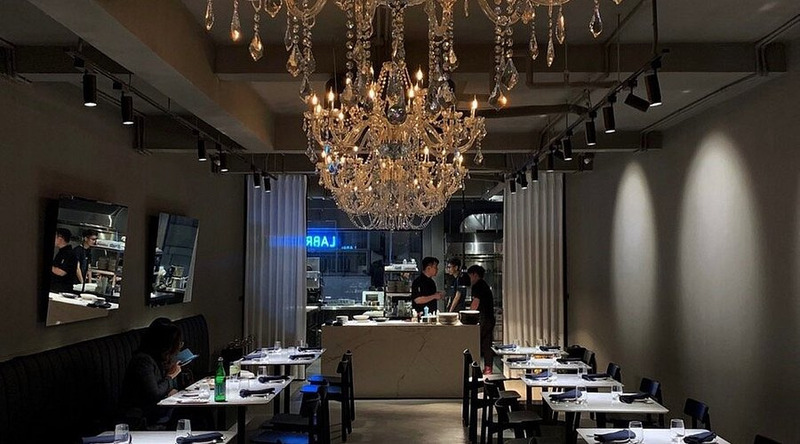
The interior of Vua Cha Ca restaurant on Giang Vo Street, Hanoi (Source: Collected)
Founded in 1979, Pho Thin stands out for redefining traditional pho bo through a bold yet simple technique. Instead of adding boiled beef directly to the broth, the beef is stir-fried with garlic before serving, resulting in a deeper, smokier flavor and subtle caramelized notes that set this bowl apart from classic Hanoi-style pho.
The broth is rich and savory, topped generously with chopped green onions that add freshness and texture. This signature approach has earned Pho Thin long-standing recognition as one of Hanoi’s most distinctive pho destinations, especially for diners seeking a more robust interpretation of the national dish.
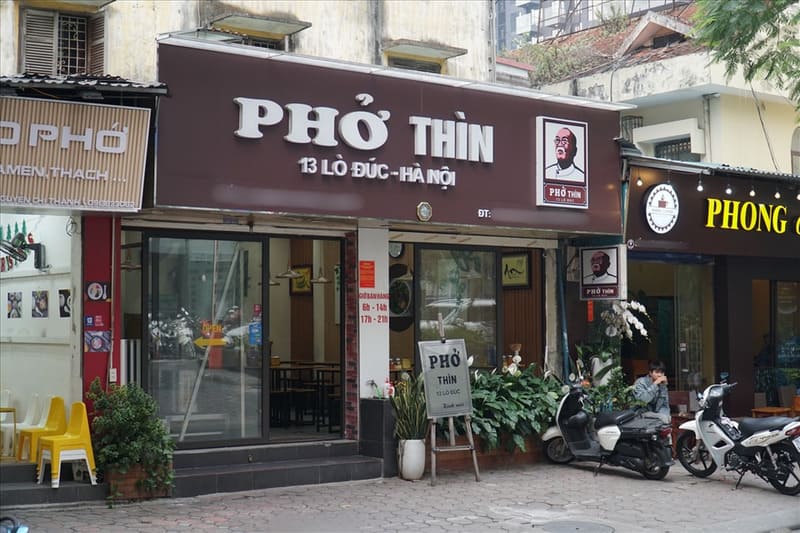
Pho Thin’s garlic-fried beef pho with smoky depth (Source: Collected)
A reference point for authentic Hanoi-style pho, Pho Gia Truyen Bat Dan has built its reputation since the 1960s through precision and consistency. The menu remains deliberately concise, offering pho chin, pho tai, and the well-balanced pho tai nam, allowing the kitchen to concentrate on perfecting its signature broth. Slow-simmered beef bones create a clear, lightly sweet stock that highlights the natural flavor of the meat rather than overpowering it.
Each bowl is served with rice noodles, tender beef cuts, and fresh herbs, alongside classic condiments for optional customization. Long queues are part of the experience, reflecting both the restaurant’s popularity and its commitment to preparing fresh stock between service hours.
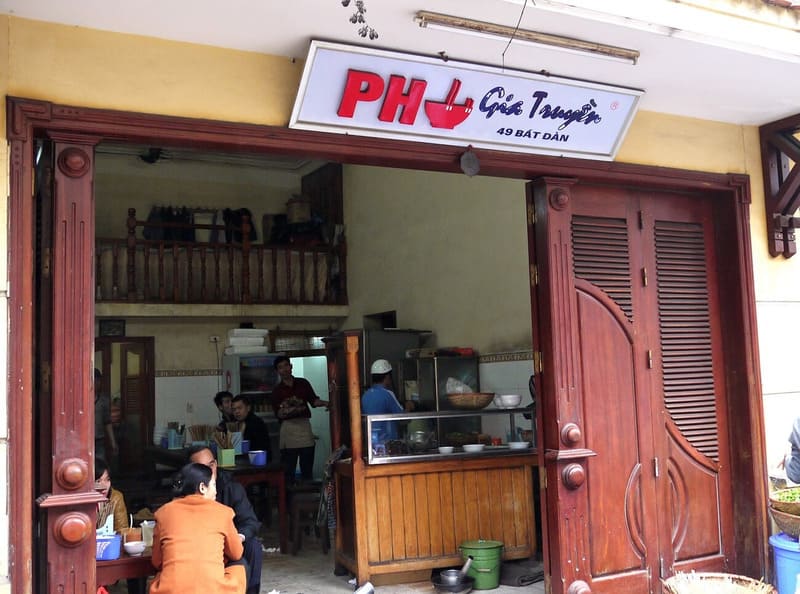
Pho Gia Truyen Bat Dan in Ha Noi(Source: Collected)
Bun Cha Huong Lien gained international recognition after hosting a high-profile visit by Barack Obama, transforming a long-standing local eatery into a global culinary landmark. The restaurant serves a classic bun cha set featuring charcoal-grilled pork in sweet-sour dipping sauce, accompanied by rice vermicelli and fresh herbs, with nem cua be standing out for its rich crab flavor and generous portion.
Despite its fame, the space remains straightforward and functional, attracting both local diners and curious visitors. The preserved table from the historic visit adds cultural interest, but the food remains the primary draw for fans of traditional Hanoi flavors.
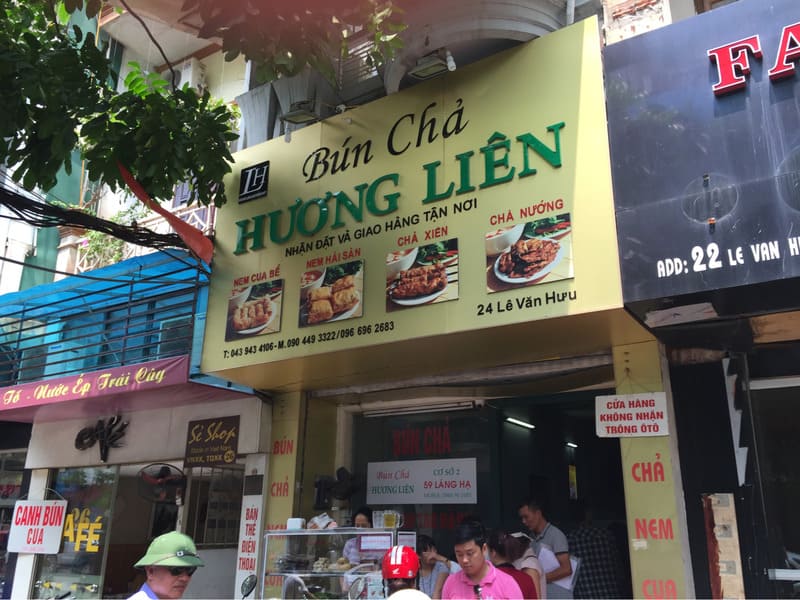
Famous Bun Cha spot known for Obama visit and classics (Source: Collected)
Established in 1965, Bun Cha Dac Kim is one of Hanoi’s most respected destinations for traditional bun cha. The dish features charcoal grilled pork patties and slices of pork belly, served with rice vermicelli, fresh herbs, and a light dipping broth that balances sweetness, saltiness, and gentle acidity.
A key highlight is nem cua be, the restaurant’s signature crab spring rolls. Fried until golden and crisp, they deliver a rich seafood flavor that pairs exceptionally well with the smoky, caramelized pork. This combination has made Bun Cha Dac Kim a consistent favorite among locals and food tours alike.
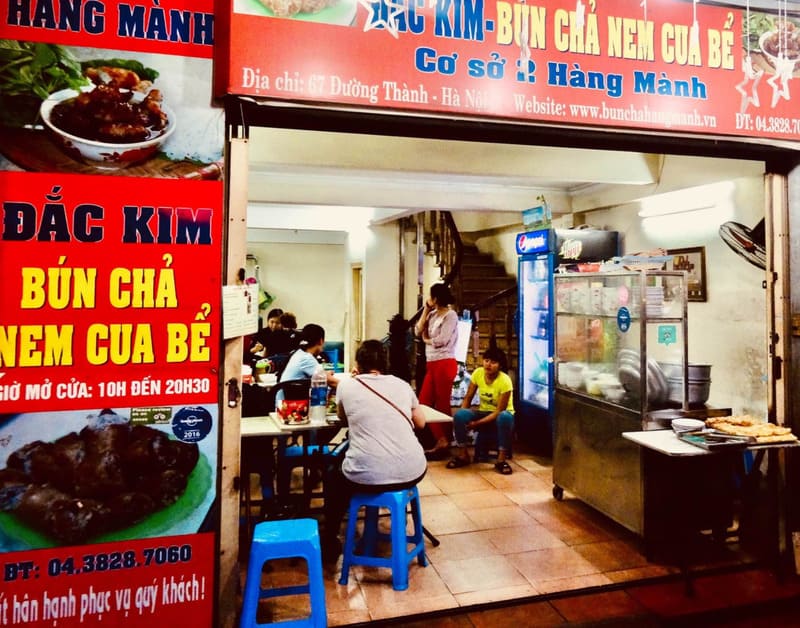
Bun Cha Dac Kim, classic Hanoi bun cha since 1965 (Source: Collected)
Consistently ranked among Hanoi’s top spots for banh mi, Banh Mi 25 has built its reputation on quality rather than hype. Located in the Old Quarter, the shop attracts both international visitors and local diners thanks to its well-balanced flavors, reliable consistency, and freshly baked baguettes served warm throughout the day.
The menu focuses on classic combinations, with the mixed banh mi standing out for its layers of pâté, barbecued pork, ham, and Vietnamese sausage. Crisp on the outside and soft inside, the bread complements savory fillings and fresh herbs, delivering a straightforward yet satisfying example of Hanoi street food at its best.
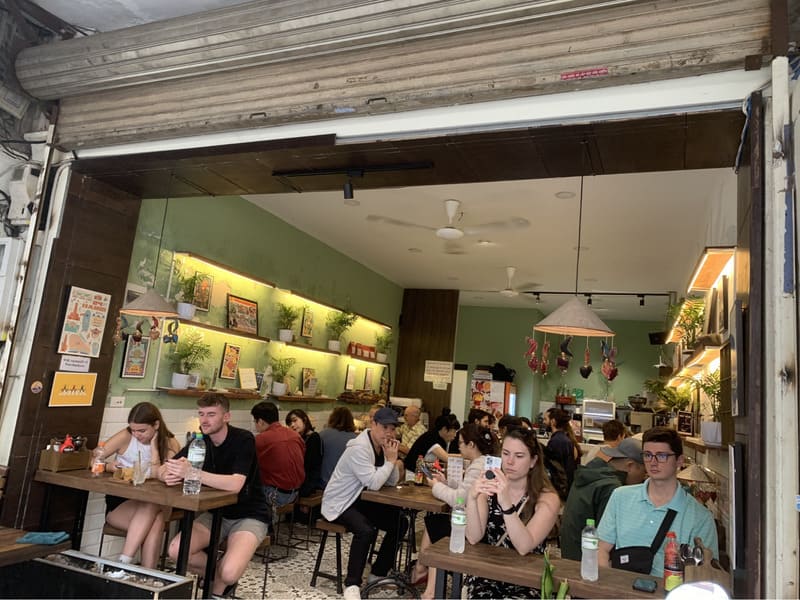
Banh Mi 25 is famed for fresh baguettes and balance (Source: banhmi25.net)
Banh Cuon Gia Truyen Thanh Van is a well-established destination for traditional steamed rice rolls in Hanoi, recognized for its consistent quality and diverse offerings. Rice batter is poured onto heated metal surfaces to create exceptionally thin sheets, which are quickly filled, rolled, and cut by hand, reflecting a preparation process perfected through decades of experience.
In addition to the classic pork and mushroom filling, the menu includes shrimp filled rolls and a popular modern variation featuring soft, runny egg yolk. Located in the Old Quarter, the restaurant attracts a steady mix of locals and visitors and remains one of the most reliable places to experience authentic bánh cuốn in the city.
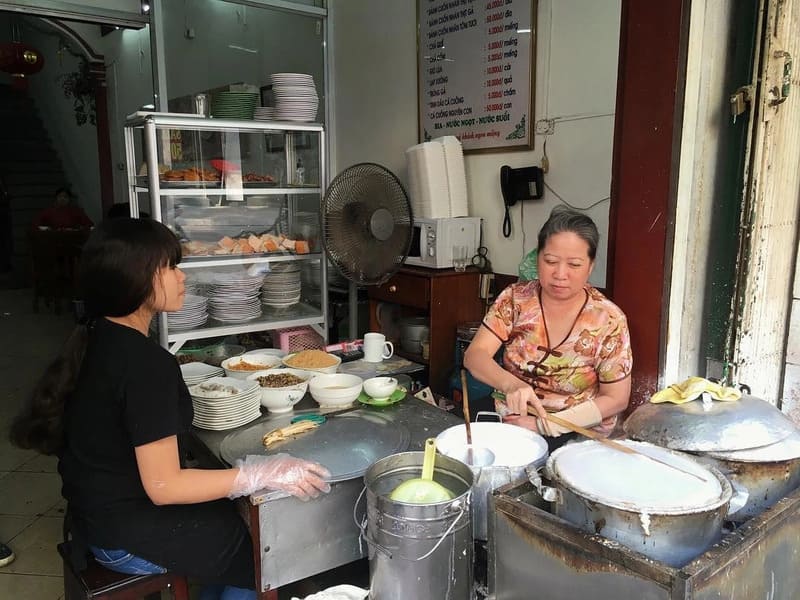
Trusted Old Quarter spot for authentic, handmade Banh Cuon (Source: Collected)
Located at the intersection of Ta Hien and Luong Ngoc Quyen streets, Bia Hoi Corner is a social hub rather than a single venue, capturing the lively spirit of Hanoi’s Old Quarter after dark. As evening falls, the junction fills with locals and visitors seated on low plastic stools, enjoying freshly brewed bia hoi alongside simple Vietnamese street food.
Bia hoi is a light Vietnamese draft beer brewed daily without preservatives and delivered in steel barrels for same-day consumption. While it is available throughout the city, this intersection offers the most authentic and energetic atmosphere, with numerous small bars serving draft beer and bottled local options well into the night.
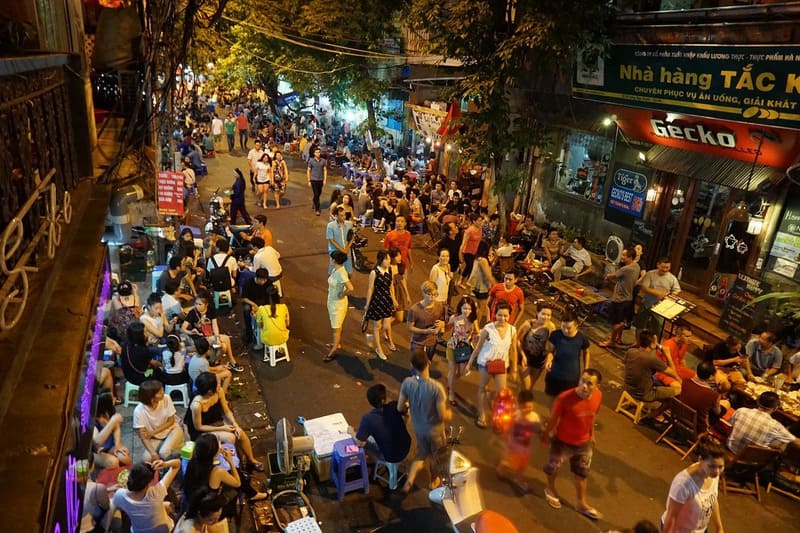
Bia Hoi Corner, Hanoi’s lively Old Quarter beer hub (Source: Collected)
Learn more: 30+ Best Things to Do and See in Hanoi, Vietnam
Hanoi’s contemporary dining scene combines modern cooking techniques with deep-rooted culinary traditions, creating elevated experiences that remain true to Vietnamese identity. The following restaurants stand out for their creativity, consistency, and atmosphere.
T.U.N.G Dining is a Michelin-starred fine-dining restaurant that defines Hanoi’s contemporary gastronomy. Led by Chef Hoang Tung, the restaurant presents an ambitious tasting menu inspired by modern European techniques, seasonal ingredients, and culinary storytelling. Each course is meticulously crafted, prioritizing originality, balance, and progression across the menu.
The experience is immersive yet restrained, with precise plating, polished service, and an intimate atmosphere that keeps the focus on the food. Regularly evolving menus ensure repeat visits remain engaging, reinforcing T.U.N.G Dining’s reputation as a benchmark for high-end dining in Vietnam.
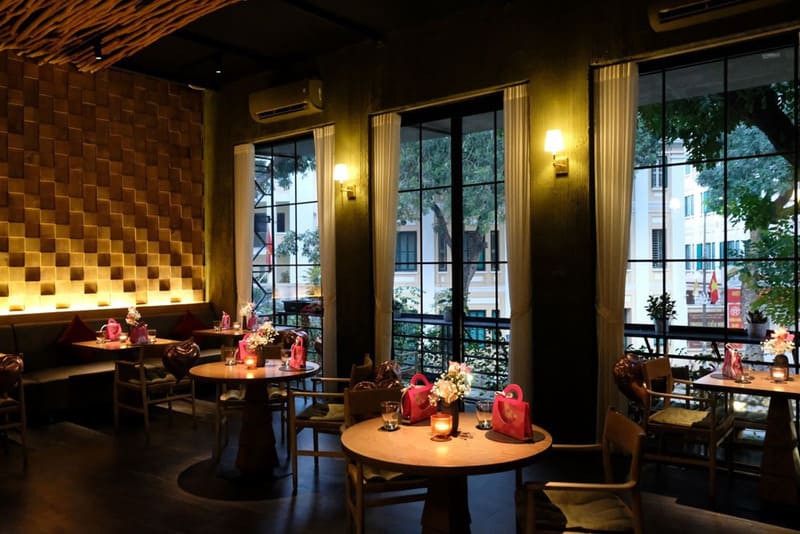
T.U.N.G Dining (Source: tungdining.com)
Duong’s Restaurant presents a contemporary interpretation of Vietnamese cuisine under the direction of Chef Hoang Duong, a familiar name from Iron Chef Vietnam and Top Chef Vietnam. The menu reimagines classic Hanoian dishes using precise techniques and elegant presentation while maintaining authentic flavors.
Located in the heart of the Old Quarter, the restaurant features a warm, intimate setting with traditional wooden interiors across two levels. Guests can choose from a carefully designed set menu or an extensive à la carte selection that includes signature Vietnamese staples alongside select international influences. Recognized by the Michelin Guide, Duong’s Restaurant stands out for its balance of creativity, approachability, and culinary craftsmanship.
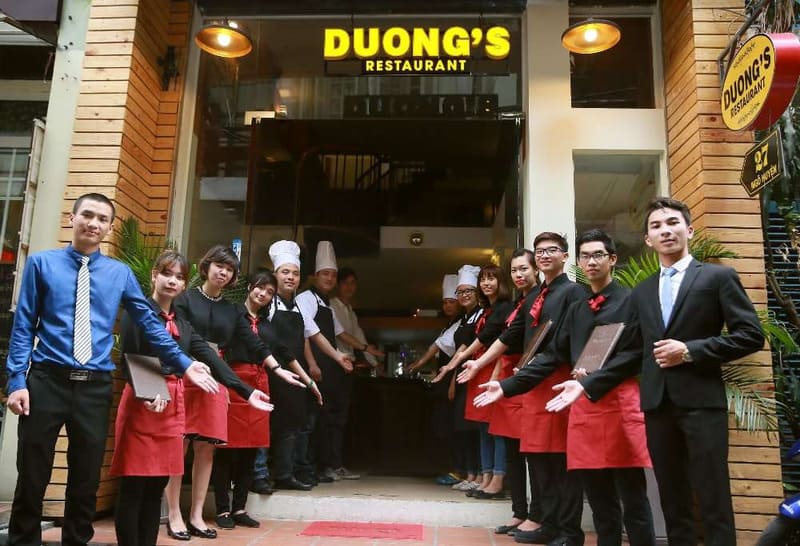
Duong’s Restaurant (Source: duongsrestaurant.com)
Tam Vi Restaurant specializes in traditional Vietnamese cuisine with a strong emphasis on Northern flavors, presenting dishes that reflect everyday Hanoi family meals. The menu focuses on simplicity and balance, highlighting carefully sourced ingredients and time-honored cooking techniques rather than elaborate presentation.
The restaurant’s design echoes the warmth of a traditional Northern Vietnamese home, creating a calm and nostalgic dining atmosphere. Its selection leans toward rustic classics, with limited seafood in line with Hanoi’s regional food culture. Known for its Michelin recognition and approachable pricing, Tam Vi offers an authentic home-style dining experience that appeals equally to locals and visitors seeking genuine Vietnamese flavors.
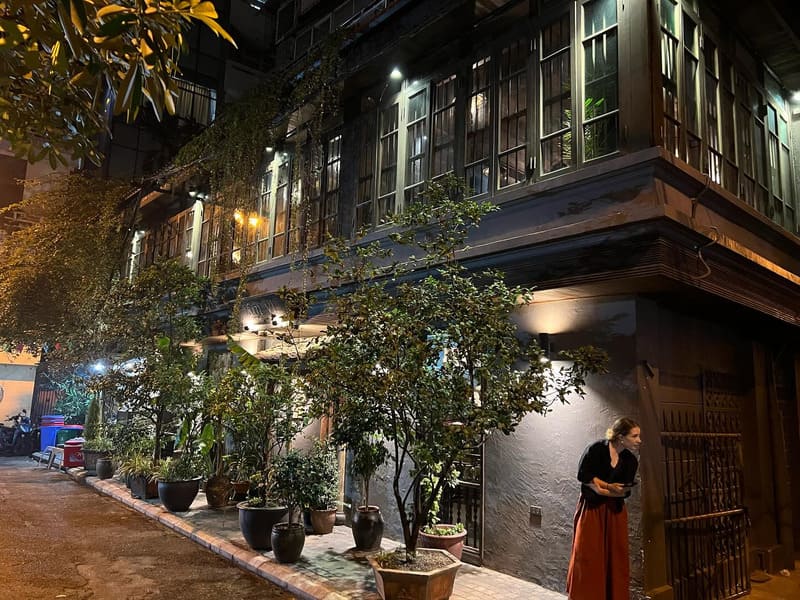
Tam Vi Restaurant (Source: Collected)
Home Vietnamese Restaurant offers an elevated interpretation of classic Vietnamese cuisine in a refined yet welcoming setting. Located in a restored French-era villa, the restaurant combines contemporary design with subtle references to old Hanoi, creating a polished dining atmosphere without losing warmth.
The menu showcases a curated selection of dishes from Northern, Central, and Southern Vietnam, prepared with premium ingredients and modern techniques while preserving traditional flavor profiles. With attentive service and well-balanced dishes, Home Vietnamese Restaurant is a strong choice for diners seeking a sophisticated introduction to Vietnam’s regional culinary heritage.
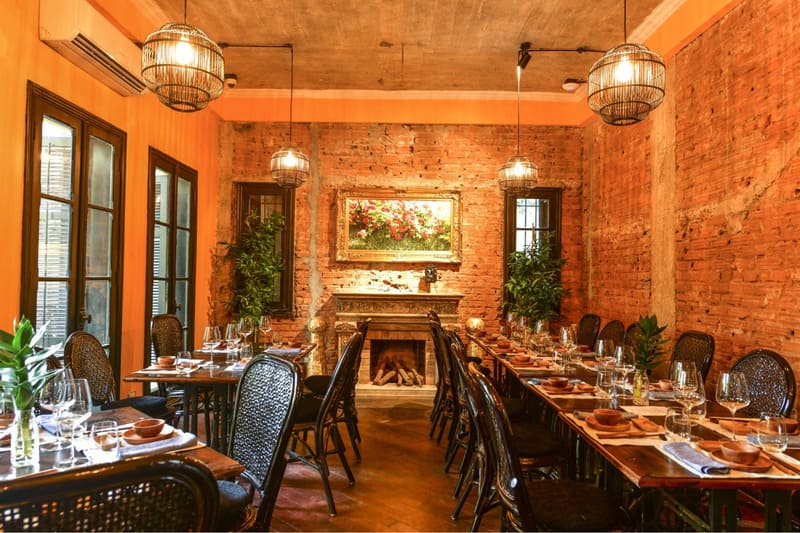
Home Vietnamese Restaurant in Hanoi (Source: homevietnameserestaurants.com)
Uu Dam Chay is a vegetarian restaurant in Hanoi, recognized for its creative approach to plant-based Vietnamese cuisine. The menu is diverse and thoughtfully composed, using tofu, mushrooms, fruits, and seasonal vegetables to deliver layered flavors and elegant presentations that appeal beyond vegetarian diners.
The dining experience is elevated by a tranquil, well-designed space and attentive service. Signature dishes reinterpret traditional Vietnamese recipes in vegetarian form while introducing modern techniques and inventive combinations. With its balance of aesthetics, flavor, and consistency, Uu Dam Chay stands out as one of Hanoi’s most accomplished vegetarian dining destinations.
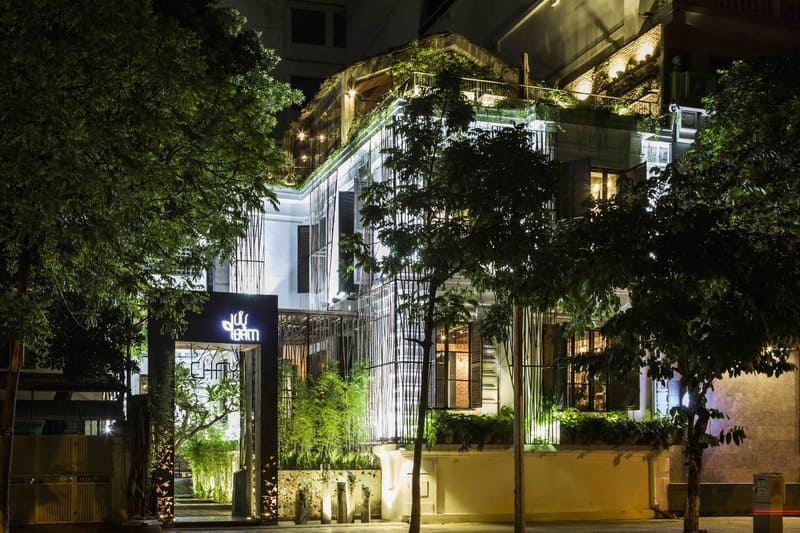
Uu Dam Chay in Hanoi (Source: Collected)
Hanoi’s international dining landscape showcases global flavors interpreted through local sensibilities, with restaurants that emphasize technique, premium ingredients, and thoughtful storytelling. These venues are ideal for diners seeking variety beyond traditional Vietnamese cuisine.
Pizza 4P’s is a well-established Japanese–Italian restaurant known for its focus on craftsmanship, sustainability, and high-quality locally sourced ingredients. Since its arrival in Hanoi, the restaurant has become a reliable choice for consistently executed pizzas, handmade cheeses, and carefully prepared pasta dishes in a relaxed yet polished setting.
The menu highlights signature creations such as the burrata-topped Parma ham pizza, featuring fresh burrata produced in Da Lat, alongside standout pasta dishes like crab tomato cream spaghetti enriched with a bisque-style sauce. Thoughtfully curated cheese and cold-cut platters further reflect the brand’s commitment to artisanal preparation and balanced flavors.
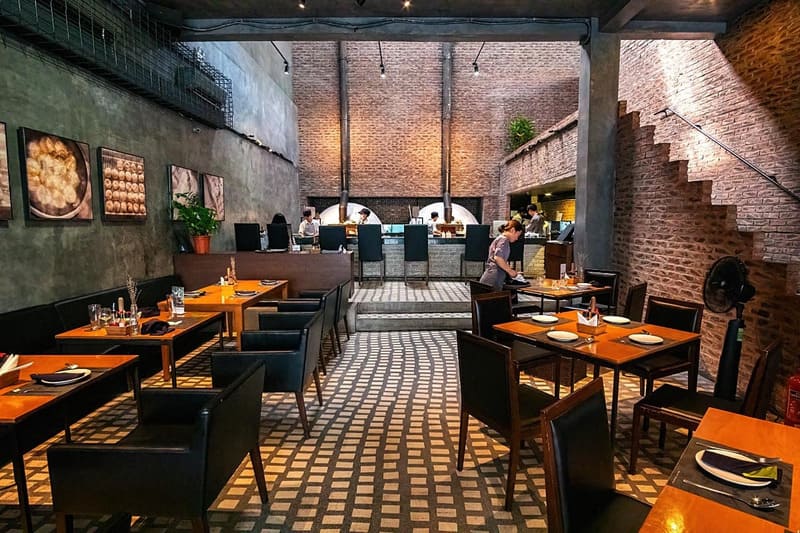
Pizza 4P’s delivers artisanal Japanese–Italian comfort (Source: Collected)
La Badiane is an established fine-dining restaurant in central Hanoi, recognized for its French cuisine infused with Vietnamese and Mediterranean influences. Since opening in 2008, the restaurant has built a reputation for elegant execution, balanced flavors, and thoughtful use of local ingredients within classic French techniques.
The dining experience is understated and intimate, supported by attentive yet discreet service. Seasonal menus and well-curated set lunches offer strong value for a restaurant of this caliber, making La Badiane a reliable choice for special occasions or relaxed fine dining without excessive formality.
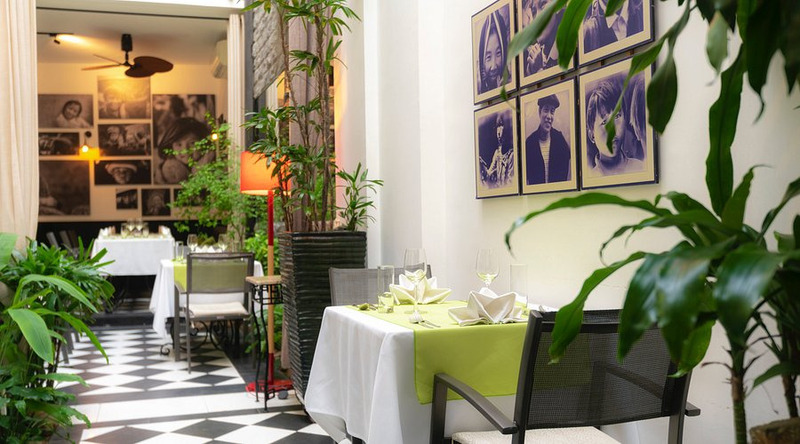
La Badiane blends French cuisine with local flavors (Source: Tripadvisor)
Chapter Dining delivers a highly conceptual fine-dining experience that elevates Northern Vietnamese cuisine through storytelling and technique. The restaurant centers its tasting menus on indigenous, seasonal ingredients, transforming familiar regional elements into dishes that feel both rooted and progressive.
Each course is designed as a narrative, guiding diners through themes inspired by daily life and culinary traditions of northern Vietnam. Menu titles function like chapters in a book, with every plate revealing a distinct moment, method, or cultural reference. This thoughtful approach creates an immersive journey that goes beyond flavor, offering insight into heritage through modern interpretation. Recognized by the Michelin Guide, Chapter Dining stands out for its originality, precision, and quietly ambitious vision.
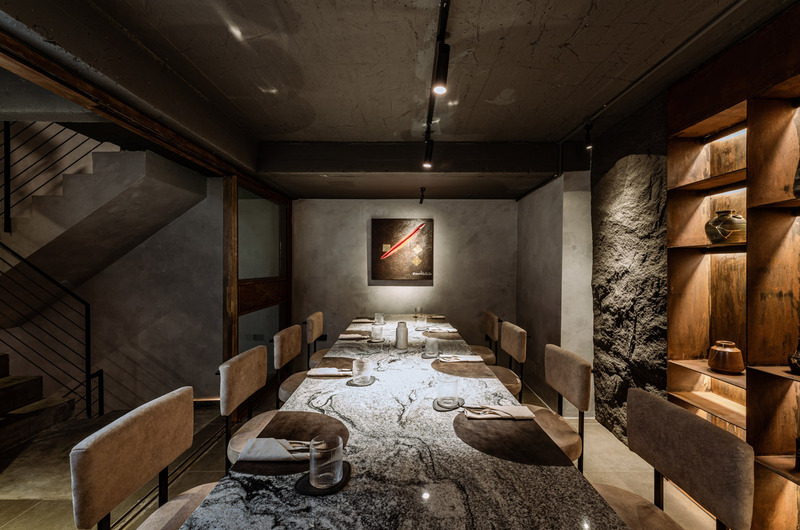
Chapter Dining reimagines Northern Vietnamese cuisine (Source: Collected)
LABRI positions itself as an “oriental neo bistro,” blending classic French techniques with Asian influences in a relaxed yet stylish setting. The menu favors bold flavors and clean compositions, delivering creative dishes that feel modern without drifting into fine-dining formality.
Guests can choose from an à la carte selection or a regularly changing set menu, both showcasing thoughtful ingredient pairings and precise execution. A strong wine list and optional pairings further elevate the experience, making LABRI a standout choice for contemporary bistro dining in Hanoi. The restaurant is also recognized in the Michelin Guide 2024, reinforcing its reputation within the city’s modern dining scene.
Modern French-Asian bistro with bold flavors, Michelin Guide (Source: Tripadvisor)
Etēsia is an intimate contemporary restaurant that combines Mediterranean influences with Asian accents in a warm, upscale setting. With a limited number of seats and an open kitchen, the space creates a close connection between diners and the culinary team.
The menu encourages exploration, offering a diverse range of dishes inspired by different regions and cultures, from Southern Europe to Asia. Seasonal menu changes keep the experience fresh, while curated beverage pairings, including wine and sake, enhance the overall meal. Recognized by the Michelin Guide, Etēsia is known for its creativity, consistency, and thoughtful approach to modern dining.
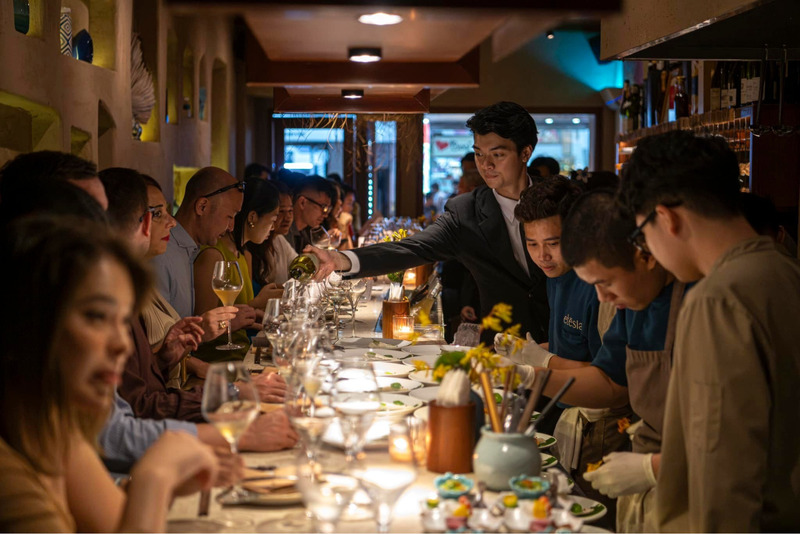
Intimate fine dining with Mediterranean-Asian fusion cuisine (Source: Collected)
Hanoi offers a growing number of high-quality vegetarian and vegan options, ranging from casual eateries to well-designed dining venues. Dedicated vegetarian restaurants focus on tofu, mushrooms, seasonal vegetables, and plant-based interpretations of traditional Vietnamese dishes, making it easy to find satisfying meat-free meals across the city.
Several restaurants and cafés around Hoan Kiem Lake and West Lake provide scenic views, especially from upper floors or rooftop terraces. These venues combine panoramic city or water views with Vietnamese and international menus, making them popular choices for relaxed lunches, sunset dining, and evening drinks.
For romantic dinners or celebrations, Hanoi offers fine-dining and boutique restaurants known for intimate settings, attentive service, and carefully curated menus. Restored villas, quiet garden spaces, and Michelin-recognized venues are particularly well suited for anniversaries, proposals, or formal evenings out.
Dining costs in Hanoi vary widely by category. Street food and local restaurants typically range from USD 2 - 6 per meal, while mid-range restaurants average USD 10 - 25 per person. Fine-dining and Michelin-listed restaurants generally start from USD 30 and can exceed USD 50 per person for tasting menus.
Tipping is not customary in Hanoi and is not expected in most restaurants. Service charges are sometimes included at upscale venues. That said, leaving a small tip for excellent service is appreciated, especially in fine-dining or tourist-oriented restaurants, but it remains entirely optional.
Hanoi’s dining scene reflects the city’s layered history, combining street-side simplicity with modern culinary expression. From iconic local specialties to Michelin-recognized restaurants and diverse international offerings, the capital delivers memorable experiences for a wide range of tastes and budgets. Exploring Hanoi through its restaurants goes beyond food, offering insight into the culture, rhythm, and character that define the city.
If you are planning a trip to Hanoi and want personalized dining recommendations or curated culinary experiences, Your Vietnam Travel is happy to assist. From local food trails to well-planned dining itineraries, our team helps you experience Hanoi in a way that matches your interests and travel style.



 Vietnam Tours
 Cambodia Tours
 Laos Tours
 Thailand Tours
 Multi-Country Tours