Traditional Vietnamese culture is one of the most fascinating aspects of traveling in Vietnam. Beyond the country’s famous landscapes, bustling cities, and world-renowned cuisine, Vietnam offers a cultural heritage shaped by thousands of years of history, community values, spiritual beliefs, and regional traditions.
For travelers, understanding traditional Vietnamese culture adds much more depth to the journey. It helps explain the meaning behind temple rituals, family customs, festive celebrations, traditional arts, and even daily interactions. From ancestor worship and Lunar New Year traditions to water puppetry and the elegance of the ao dai, Vietnamese culture is rich, layered, and deeply rooted in everyday life.
In this guide, Your Vietnam Travel explores the most important elements of traditional Vietnamese culture, where to experience them, and what travelers should know before visiting Vietnam.
Traditional Vietnamese culture is a blend of indigenous heritage, long-standing village traditions, Confucian values, Buddhist influence, and regional diversity. It has been shaped over centuries by local kingdoms, agricultural life, community-based living, and exchanges with neighboring cultures, yet it has always maintained a distinct identity of its own.
At its core, Vietnamese culture places strong emphasis on family, respect for elders, community harmony, gratitude to ancestors, and social responsibility. These values are reflected in festivals, worship practices, dining habits, forms of address, and the way people interact in daily life.
Another defining characteristic of traditional Vietnamese culture is its diversity. Vietnam is home to 54 officially recognized ethnic groups, each contributing its own customs, attire, crafts, language traditions, and spiritual life. While the Kinh majority shapes much of mainstream Vietnamese culture, ethnic communities across the mountains, highlands, and border regions add even more richness to the country’s cultural identity.
For travelers, this means Vietnam is not just one cultural experience. It is a country where ancient temples, imperial heritage, folk beliefs, local markets, craft villages, traditional music, and family rituals all exist alongside modern urban life.
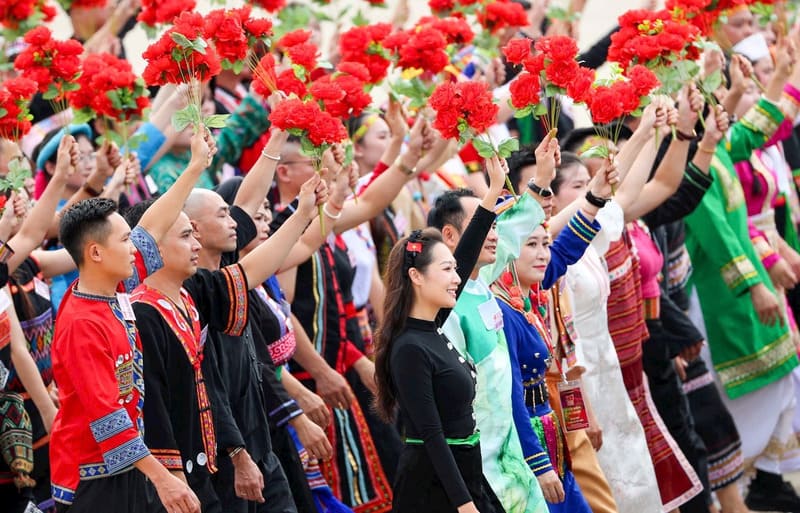
Ethnic groups shaping Vietnam’s identity (Source: Collected)
Cuisine is one of the most accessible and memorable ways to understand traditional Vietnamese culture. Food in Vietnam is more than daily nourishment. It reflects geography, climate, family life, hospitality, and local identity.
Vietnamese cooking is known for its balance of flavors, often combining sweet, sour, salty, savory, and spicy elements in a way that feels fresh rather than heavy. Herbs, vegetables, rice, noodles, broth-based dishes, dipping sauces, and seasonal ingredients play an important role in meals across the country.
Regional differences are especially important in Vietnamese cuisine. Northern dishes are often subtle and balanced, Central Vietnamese food tends to be bolder and more intense, while Southern cuisine is usually sweeter and more generous in flavor. This regional diversity makes food a major part of cultural exploration in Vietnam.
Travelers quickly notice that meals are also social. Dishes are commonly shared, family-style dining is the norm, and eating together is seen as a time to connect. In many homes, food is also tied to ancestor worship, festivals, and important family occasions, which gives it deeper cultural meaning.
For a deeper culinary experience, see our list of must-try street food in Vietnam.
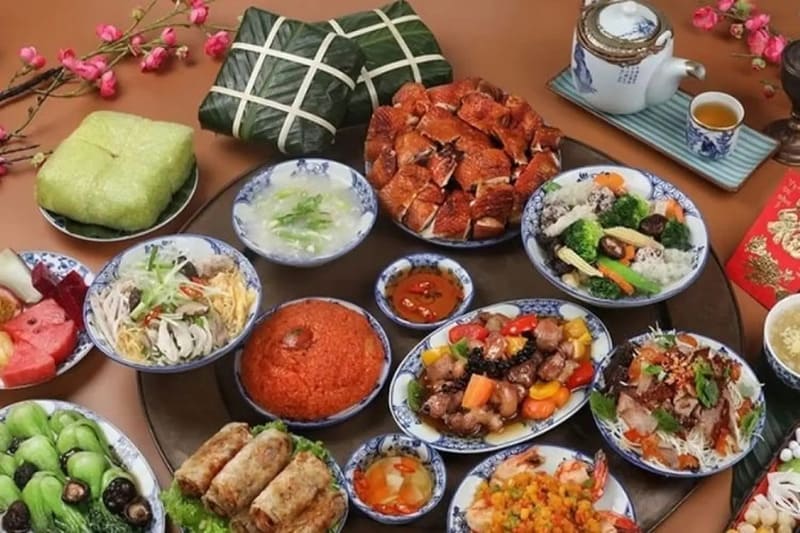
Vietnamese food known for balanced flavors (Source: Collected)
Festivals are among the most vibrant expressions of traditional Vietnamese culture. They reflect spiritual beliefs, agricultural rhythms, historical memory, and the strong sense of community found throughout the country.
The most important festival in Vietnam is Tet Nguyen Dan, or Vietnamese Lunar New Year. This is a time of family reunion, ancestor worship, homecoming, festive meals, and wishes for prosperity and good fortune. For many Vietnamese families, Tet is the most meaningful moment of the year.
Beyond Tet, Vietnam has many traditional festivals linked to local heroes, village guardians, religious beliefs, and seasonal cycles. Some of the best-known include the Hung Kings Festival, the Perfume Pagoda Festival, the Giong Festival, and the Mid-Autumn Festival. In different regions, travelers may also encounter unique ethnic festivals, harvest celebrations, or sea-related rituals in fishing communities.
These festivals are not simply performances for visitors. They are living traditions that continue to shape Vietnamese cultural life today. For travelers, joining a festival can offer insight into local identity, spiritual practice, and communal values in a way that museums alone cannot provide.
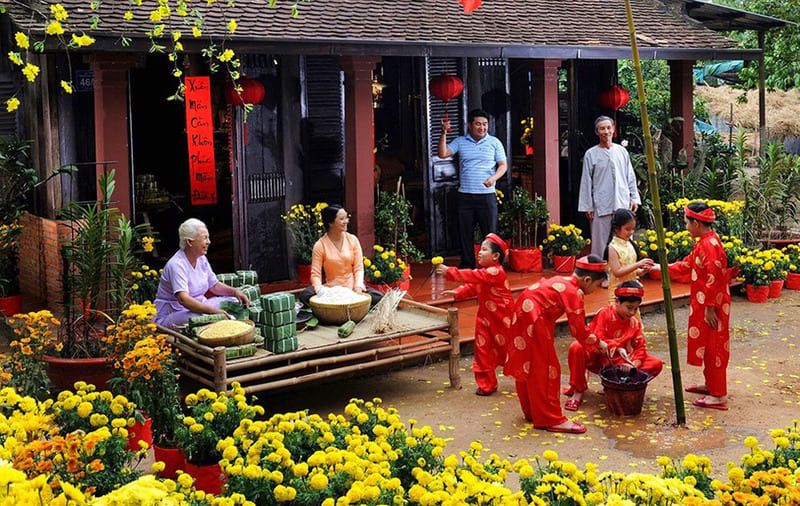
Vietnamese Lunar New Year family celebration (Source: Collected)
Beliefs and religions in Vietnam form a layered spiritual landscape. Rather than following a single religious tradition in a strict way, many Vietnamese people combine elements of Buddhism, Confucian thought, Taoist influence, folk religion, and ancestor worship in everyday life.
Ancestor worship is one of the most important spiritual practices in Vietnam. Many homes and businesses have an altar where incense, fruit, flowers, and symbolic offerings are placed to honor deceased family members. This tradition reflects gratitude, family continuity, and the belief that ancestors remain spiritually connected to the living.
Buddhism also has a major influence on Vietnamese culture, especially in pagodas, festivals, moral values, and spiritual routines such as praying for health, peace, and good fortune. At the same time, Confucian ideas continue to influence respect for hierarchy, family duty, and education, while folk beliefs remain strong in temples, local festivals, and protective rituals.
For travelers, this spiritual blend helps explain why temples, pagodas, ancestral homes, and village shrines remain such meaningful parts of Vietnamese daily life.
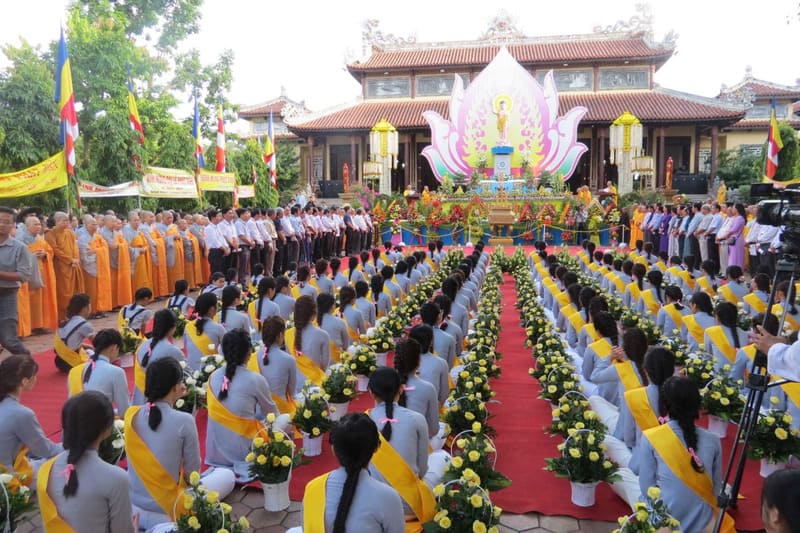
Pagoda in Vietnam with Buddhist rituals (Source: Collected)
Traditional Vietnamese clothing reflects elegance, identity, and cultural diversity. The most iconic symbol is the ao dai, a long, fitted tunic worn over trousers. Known for its graceful silhouette and timeless beauty, the ao dai is often worn during weddings, festivals, school ceremonies, and important cultural events.
For many travelers, the ao dai is the image most closely associated with Vietnamese traditional dress. It represents refinement and national pride, while also adapting over time through modern designs and regional variations.
Beyond the ao dai, Vietnam’s ethnic communities preserve a remarkable range of traditional costumes. In northern and highland regions, travelers may see hand-embroidered garments, indigo-dyed fabrics, colorful headwear, and silver accessories that reflect local identity, craftsmanship, and symbolism. These outfits are not just decorative. They often communicate age, marital status, ethnic background, and cultural heritage.
Traditional clothing in Vietnam therefore offers much more than visual beauty. It tells stories about history, community, and belonging.
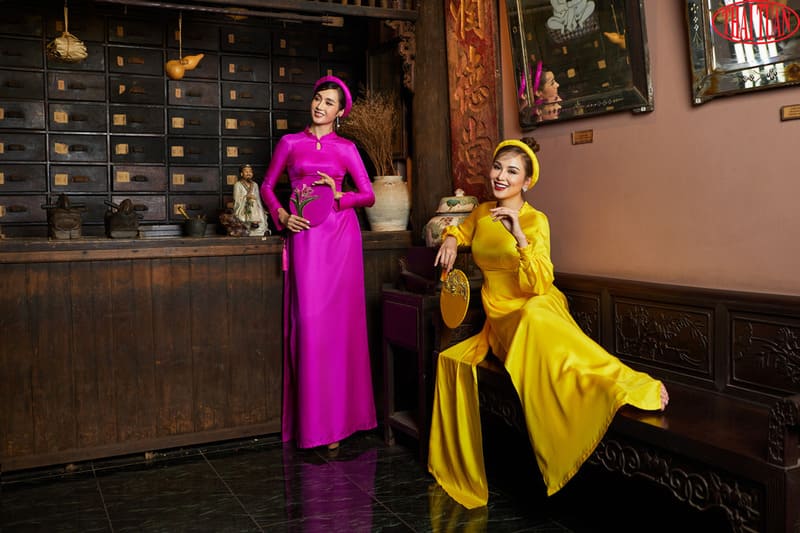
Ao dai - Vietnam’s most iconic traditional dress (Source: Collected)
Traditional Vietnamese performing arts preserve stories, local memory, and artistic expression passed down across generations. These art forms connect music, movement, ritual, and storytelling in ways that remain deeply tied to the country’s cultural heritage.
One of the best-known examples is water puppetry, a unique Vietnamese art form in which wooden puppets perform on water, accompanied by live music and folk singing. The stories often depict rural life, legends, village scenes, and historical tales. For many international visitors, this is one of the most distinctive cultural performances in Vietnam.
Other traditional performing arts include cheo, tuong, cai luong, and ceremonial singing traditions that vary by region. Some are theatrical, some are musical, and others are closely linked to religious practice or court culture. Together, they show the artistic depth of Vietnam’s cultural history.
These performances are important not only because they entertain, but because they keep traditional narratives, values, and aesthetics alive.
Traditional Vietnamese literature and arts offer insight into the soul of the country. Through poetry, folktales, calligraphy, painting, and oral storytelling, Vietnamese culture has preserved moral lessons, historical memory, and emotional depth over centuries.
Folk tales have long played a central role in cultural education. Stories about loyalty, kindness, sacrifice, family duty, and justice have helped shape the values passed from one generation to the next. Classical literature, especially works such as The Tale of Kieu, remains deeply respected for its literary beauty and cultural significance.
Vietnamese visual arts also reflect a rich heritage. Calligraphy is associated with learning, wisdom, and New Year traditions. Folk paintings, silk painting, lacquer art, and woodblock prints each carry distinctive styles and symbolism. In many cases, traditional art is closely connected to spiritual belief, village life, or seasonal celebration.
For travelers, these forms of artistic expression reveal a quieter but equally important side of Vietnamese culture beyond food and festivals.
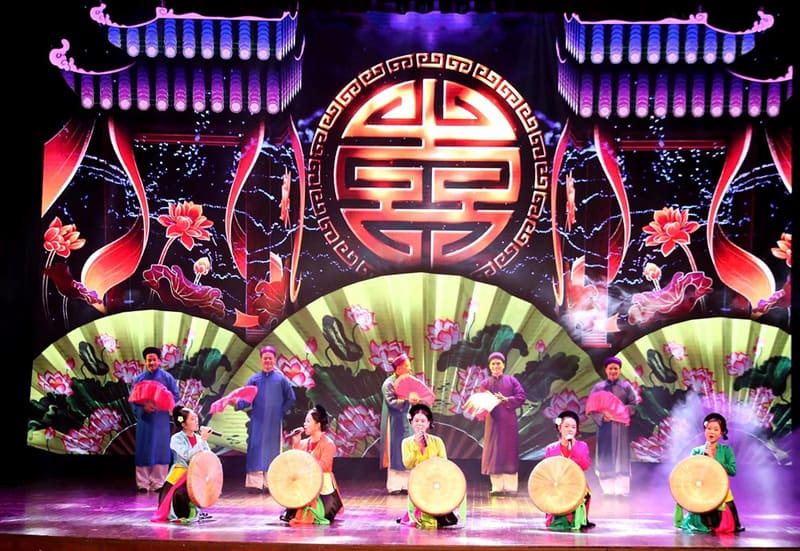
Traditional arts reflect cultural identity (Source: Collected)
Traditional Vietnamese architecture reflects a close relationship with nature, climate, and spirituality. From communal houses and family homes to temples, pagodas, and imperial buildings, architecture in Vietnam has long combined practicality with symbolism.
Traditional structures often make use of wood, tile, courtyards, open space, and natural ventilation, creating harmony between built spaces and the surrounding environment. Feng shui principles, spiritual orientation, and ancestral values also influence the layout of many traditional buildings.
Vietnam’s architectural heritage can be seen in many forms. Pagodas and temples express religious devotion and craftsmanship. Communal houses reflect village identity and collective life. Ancient homes reveal the importance of family structure and local materials. Imperial sites, especially in Hue, demonstrate the sophistication of court architecture and dynastic symbolism.
For cultural travelers, architecture is one of the clearest ways to see how traditional Vietnamese values were translated into everyday and ceremonial spaces.
Traditional handicrafts are an essential part of Vietnam’s cultural heritage. They reflect generations of skill, patience, artistry, and local knowledge, often tied to specific craft villages that have preserved their traditions for centuries.
Among the best-known Vietnamese handicrafts are silk weaving, ceramics, lacquerware, bamboo and rattan products, embroidery, wood carving, and conical hat making. These items are more than souvenirs. They represent local identity and the long-standing relationship between craftsmanship and community life.
Many traditional crafts also carry practical and symbolic value. Silk reflects refinement, lacquerware shows meticulous technique, and bamboo products highlight sustainability and everyday usefulness. In craft villages, travelers can often see artisans at work, which makes the experience far more meaningful than simply shopping for finished products.
Exploring Vietnamese handicrafts helps visitors understand the creativity and cultural continuity that remain present in many parts of the country.
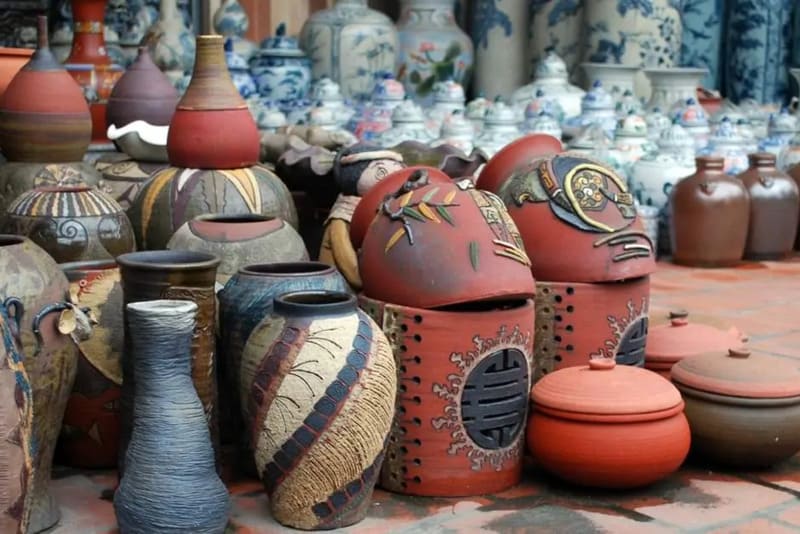
Craftsmanship passed down for generations (Source: Collected)
Traditional Vietnamese culture is shaped by values that continue to influence modern life. Among the most important are respect for elders, devotion to family, gratitude to ancestors, humility, hospitality, and the desire to maintain harmony in relationships.
Family is central in Vietnamese society. Many important decisions are made with the family in mind, and major celebrations often revolve around family gatherings. Respect for parents and older generations is deeply embedded in social behavior, language, and ritual practice.
Customs such as ancestor worship, gift-giving, shared meals, and formal greetings reflect this cultural foundation. Social etiquette is also influenced by the importance of politeness and saving face, which is why communication in Vietnam may sometimes feel more indirect than in Western cultures.
For travelers, understanding these values makes daily interactions more meaningful and helps avoid cultural misunderstandings.
Hanoi is one of the best places to explore traditional Vietnamese culture in depth. As the capital, it preserves a strong connection to the country’s historical, spiritual, and artistic heritage. Travelers can visit ancient temples, old pagodas, traditional markets, and heritage streets while also enjoying classic northern cuisine and cultural performances.
The Old Quarter, the Temple of Literature, Hoan Kiem Lake, and the Vietnam Museum of Ethnology are especially valuable for travelers interested in culture. Hanoi is also one of the best places to watch water puppetry and experience important seasonal festivals.
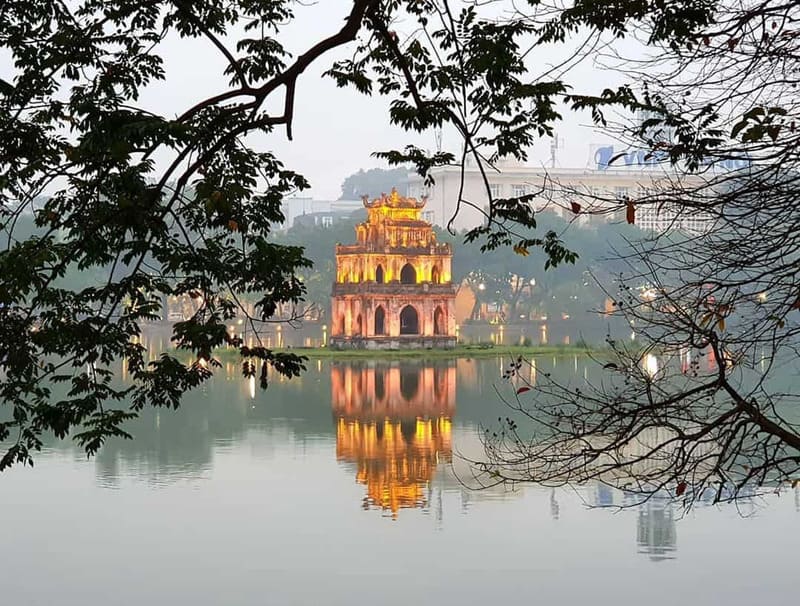
Hoan Kiem Lake in Hanoi (Source: Collected)
Hue offers one of the richest cultural experiences in Vietnam. As the former imperial capital, it is deeply associated with royal history, traditional architecture, court music, and refined cuisine. The city’s citadel, tombs, temples, and garden houses reveal the sophistication of Vietnam’s dynastic heritage.
Hue is especially meaningful for travelers who want to understand the ceremonial and intellectual side of traditional Vietnamese culture. Its atmosphere feels more contemplative and historical than many other destinations.
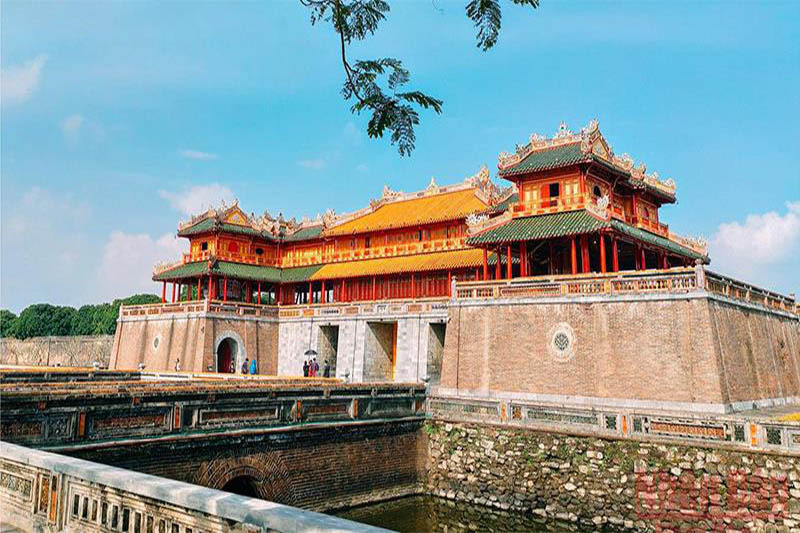
The Imperial City of Hue (Source: Collected)
Hoi An is a place where traditional Vietnamese culture can be experienced through architecture, handicrafts, cuisine, and local customs. Its lantern-lit streets, old merchant houses, assembly halls, and riverside setting create a strong sense of continuity with the past.
Travelers can join cooking classes, explore traditional craft workshops, visit ancestral houses, and experience local festivals in a setting that remains visually and culturally engaging. Hoi An is particularly appealing for those who want a cultural experience that is both accessible and atmospheric.
To better understand the town’s history and cultural significance, explore our complete guide to Hoi An Ancient Town.
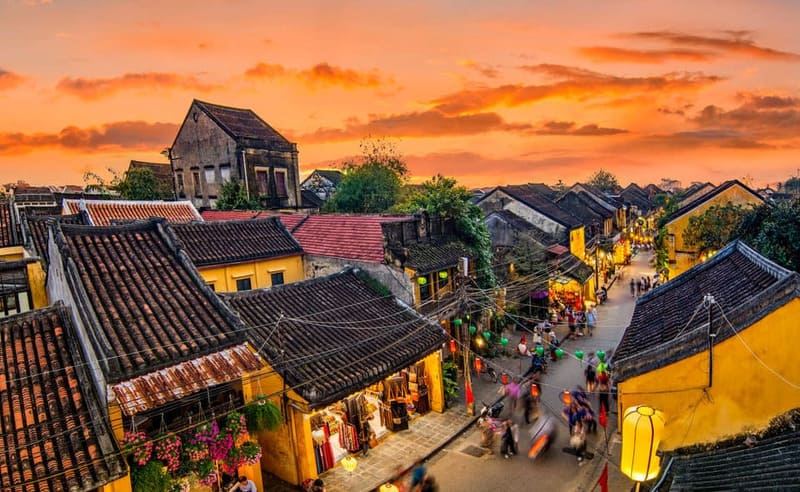
Hoi An Ancient Town (Source: Collected)
Ninh Binh combines natural beauty with deep cultural and historical significance. Often known for its limestone landscapes, it also offers important heritage sites such as Hoa Lu Ancient Capital, old temples, and pagodas set within dramatic scenery.
For travelers interested in the relationship between nature, spirituality, and traditional history, Ninh Binh offers a quieter but highly rewarding cultural experience.
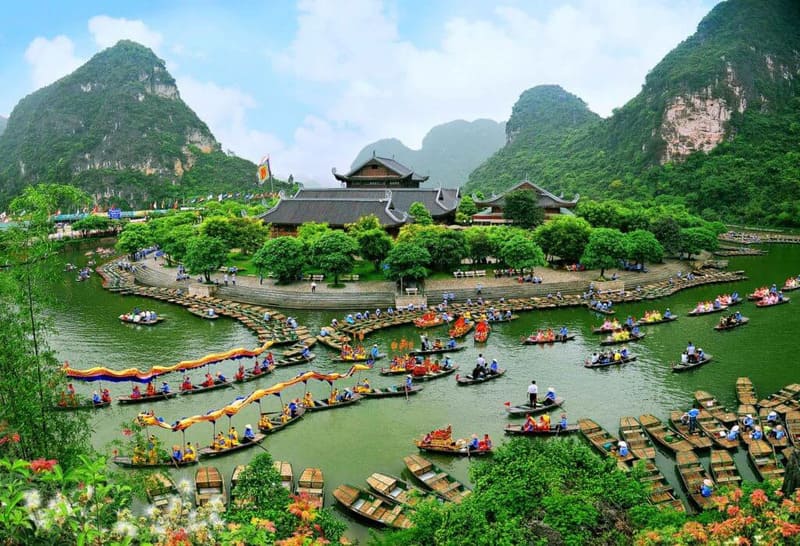
Trang An, Ninh Binh (Source: Collected)
Ha Giang provides a very different perspective on traditional Vietnamese culture. Rather than imperial heritage or urban history, it offers insight into the lives, customs, markets, and clothing traditions of ethnic communities in the far north.
This is one of the best destinations for travelers seeking cultural immersion beyond mainstream tourist routes. Weekly markets, traditional houses, terraced landscapes, and local festivals reveal a side of Vietnam shaped by mountain life and ethnic diversity.
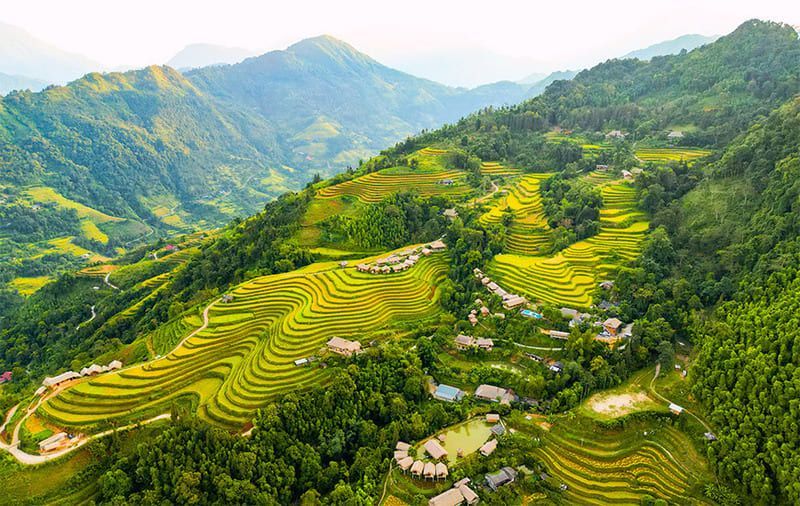
Terraced rice fields in Ha Giang (Source: Collected)
These destinations are part of a wider journey, see our full list of the top places to visit in Vietnam.
Understanding basic etiquette helps travelers show respect and connect more naturally with local people in Vietnam.
Visitors should try traditional Vietnamese food, visit temples and pagodas, watch a water puppet show, explore heritage towns such as Hoi An and Hue, and if possible, experience a local festival. Visiting craft villages or ethnic markets can also provide deeper cultural insight.
The most important traditional festival is Tet Nguyen Dan, the Vietnamese Lunar New Year. Other major celebrations include the Hung Kings Festival, the Mid-Autumn Festival, the Perfume Pagoda Festival, and many local or regional festivals linked to history, religion, and harvest traditions.
Traditional Vietnamese culture is defined by strong family ties, respect for elders, ancestor worship, community values, spiritual diversity, regional traditions, and a close relationship between everyday life and cultural practice. It is both deeply rooted and regionally varied.
Hanoi, Hue, Hoi An, Ninh Binh, and Ha Giang are all excellent places to experience traditional Vietnamese culture. Each destination offers a different perspective, from imperial heritage and folk arts to ethnic traditions and spiritual landmarks.
Family is considered the foundation of Vietnamese society. It shapes identity, duty, support systems, celebrations, and spiritual practices such as ancestor worship. Respect for parents, elders, and family lineage remains one of the strongest traditional values in Vietnam.
Traditional Vietnamese culture is not limited to museums, monuments, or festival dates. It lives in family rituals, shared meals, local markets, religious spaces, traditional arts, and the everyday values that continue to shape life across the country.
For travelers, taking time to understand these cultural traditions can make a trip to Vietnam far more meaningful. It turns sightseeing into cultural connection and helps reveal the deeper identity behind each destination.
If you are looking to experience Vietnam beyond the surface, Your Vietnam Travel can help you design a journey that brings together heritage, local life, cuisine, and authentic cultural experiences across the country.



 Vietnam Tours
 Cambodia Tours
 Laos Tours
 Thailand Tours
 Multi-Country Tours