Red River Vietnam is one of the most important geographical features of northern Vietnam, serving as a foundation for the region’s history, culture, and economy, particularly across the Red River Delta. Beyond shaping the natural landscape, the river has influenced settlement patterns, agricultural traditions, and key transport connections throughout northern Vietnam.
In this guide, Your Vietnam Travel helps you gain a deeper understanding of the geography, cultural significance, and economic role of Red River Vietnam, along with the most notable destinations across the Red River Delta.
The Red River (Sông Hồng) is one of the most significant river systems in northern Vietnam, connecting mountainous regions to the coastal plains of the Gulf of Tonkin. The river originates in Yunnan, China, and flows for roughly 1,150 - 1,200 kilometers before reaching the sea.
Within Vietnam, the river enters at Lao Cai and travels southeast through provinces such as Yen Bai and Phu Tho before reaching Hanoi. It continues across the capital, forming a natural corridor that has influenced both urban expansion and surrounding rural landscapes.
At its lower course, the river spreads into the Red River Delta, a vast lowland area created over thousands of years. This delta includes 11 provinces and major cities such as Hanoi, Hai Phong, and Ninh Binh. It is not only one of the most densely populated regions in Vietnam but also one of the most strategically important in terms of geography and connectivity.
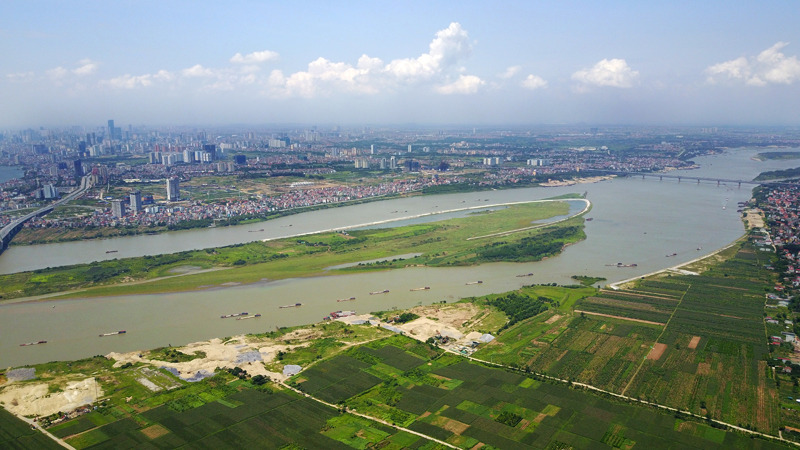
The Red River shapes northern Vietnam’s landscape (Source: Collected)
The Red River shows a clear transition in terrain along its course. In the upstream sections, it flows quickly through steep valleys and narrow channels. As the river reaches the lowlands, the gradient decreases, and the water slows down, forming a network of distributaries, floodplains, and agricultural zones.
One of the defining characteristics of the Red River is its strong seasonal variation:
This seasonal cycle has played a critical role in shaping land use, settlement planning, and the development of dike systems across northern Vietnam. It continues to influence agriculture, infrastructure, and local life today.
The Red River is named after its distinctive reddish-brown color, which is most visible during the rainy season. This color comes from fine sediment and mineral-rich particles eroded from upstream mountainous areas.
As water levels rise, the river carries a higher concentration of this material downstream. Instead of being just a visual feature, this sediment plays a key role in maintaining soil quality across the delta, making it one of the most agriculturally productive regions in Vietnam.
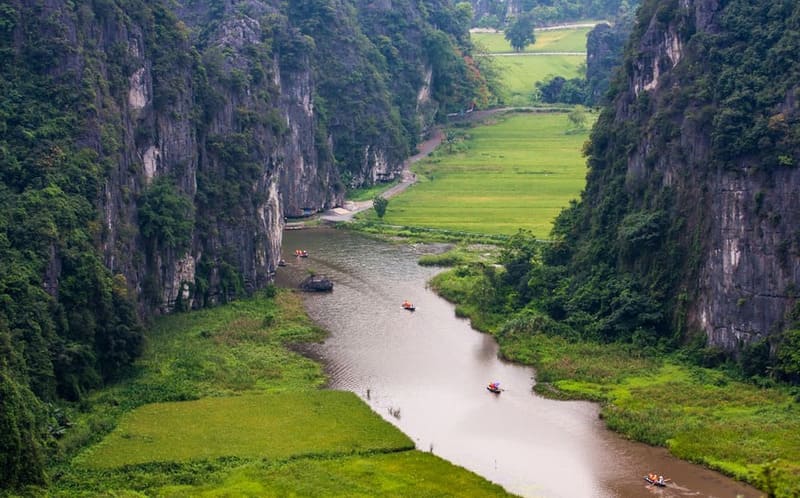
Sediment gives the Red River its color (Source: Collected)
The Red River Delta represents the final stage of the river’s journey and one of the most important geographic regions in Vietnam. Its fan-shaped formation expands toward the coast, creating a wide plain that supports dense populations, intensive farming, and major urban centers.
Beyond its physical landscape, the delta functions as a core economic and transport hub in northern Vietnam. It connects inland provinces with coastal ports, industrial zones, and international trade routes. Cities like Hanoi and Hai Phong are central to this network, benefiting from both river access and modern infrastructure.
From a travel perspective, the Red River Delta offers a diverse mix of cultural sites, rural landscapes, and gateway cities. It serves as a starting point for exploring northern Vietnam, from historical capitals to coastal destinations.
The Red River has shaped northern Vietnam across multiple dimensions, from early settlement patterns to modern economic development. It is closely tied to how communities formed, how culture evolved, and how the region continues to grow today.
The Red River basin is widely regarded as one of the earliest centers of Vietnamese civilization. Its natural conditions supported rice farming and stable village life, allowing communities to develop long before large urban centers appeared.
As these communities expanded, they established systems for water management, agriculture, and social organization. The need to control flooding and maintain irrigation encouraged cooperation, which became a defining feature of village culture in northern Vietnam.
Over time, this region evolved into a political and cultural core, with many early centers of power located within the Red River Delta. This historical foundation still influences the importance of the region today.
The Red River continues to play a strong role in shaping cultural identity in northern Vietnam. Communities along its banks maintain traditions that reflect a long-standing connection between people, land, and water.
Many villages are organized around communal houses, temples, and pagodas, where rituals linked to agriculture, spirituality, and local beliefs take place. In certain festivals, water from the Red River is used in ceremonial practices, symbolizing prosperity and renewal.
Traditional festivals and cultural sites such as Chem Communal House, Tu Lien, Duc Thang, and Va Temple preserve these customs. These places highlight how the river is not only a natural feature but also a cultural symbol that remains relevant in daily life.
For travelers, this creates opportunities to experience authentic local traditions beyond major tourist attractions.
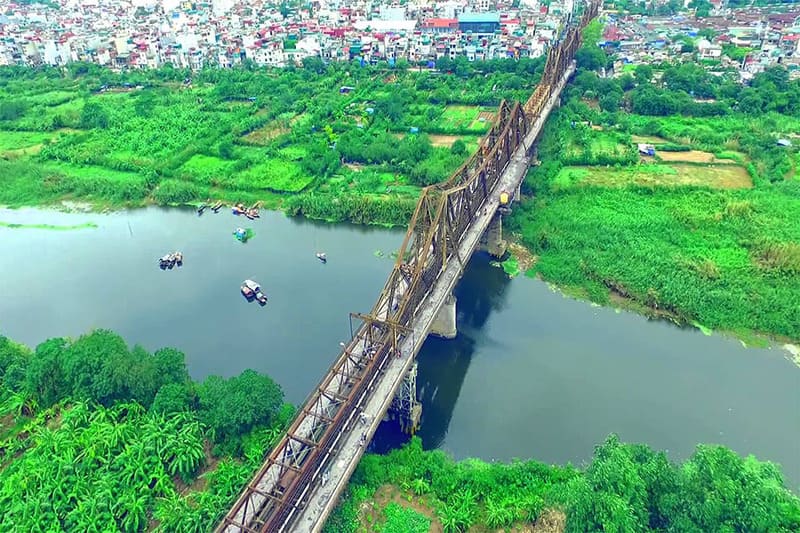
Cultural life thrives along the Red River banks (Source: Collected)
The Red River plays a foundational role in the economy of northern Vietnam, particularly through its influence on agriculture and regional connectivity.
The delta region supports large-scale rice production along with diverse farming activities, making it one of the country’s key food-producing areas. The river system helps maintain soil quality and supports irrigation networks that sustain agricultural output.
In addition to farming, the Red River has historically functioned as a transport route, linking rural areas with major markets such as Hanoi. This role helped facilitate trade and distribution long before modern infrastructure developed.
Today, the economic impact of the Red River extends further into industry, logistics, and urban growth. The Red River Delta is now one of Vietnam’s most dynamic economic zones, with strong integration between cities, ports, and industrial areas.
This combination of agricultural strength and economic connectivity continues to make the Red River a central driver of development in northern Vietnam.
The Red River Delta is one of the most diverse travel regions in northern Vietnam, combining historic cities, cultural heritage sites, natural landscapes, and coastal gateways. From the capital Hanoi to lesser-known provinces, the region offers a well-balanced mix of iconic attractions and authentic local experiences.
Below are some of the top destinations in the Red River Delta that travelers should consider when planning a trip in northern Vietnam.
Hanoi is the heart of the Red River Delta and the main gateway for most travelers arriving in northern Vietnam. The city blends centuries of history with a dynamic urban atmosphere, offering a wide range of cultural and sightseeing experiences.
The Old Quarter is one of Hanoi’s most iconic areas, known for its narrow streets, local markets, and traditional shop houses. Nearby, Hoan Kiem Lake provides a central gathering point, while West Lake offers a more relaxed environment with cafés, temples, and scenic views.
Key cultural landmarks such as the Ho Chi Minh Mausoleum, Temple of Literature, and One Pillar Pagoda reflect the city’s historical importance. Hanoi also serves as the ideal base for exploring nearby destinations across the Red River Delta.
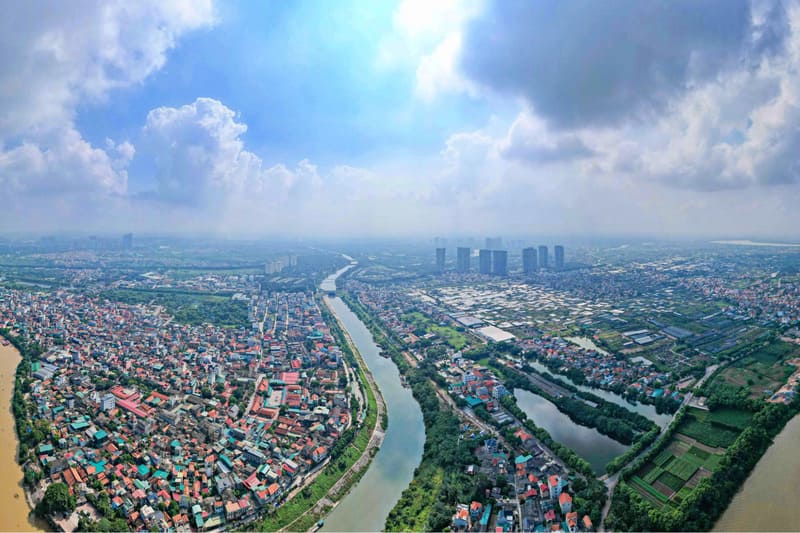
Hanoi is the gateway to the Red River Delta (Source: Collected)
Located at the southern edge of the Red River Delta, Ninh Binh is known for its dramatic limestone scenery and strong historical background. It is often considered one of the most scenic areas in northern Vietnam.
Trang An and Tam Coc are the highlights, where rivers flow through karst mountains and rice fields, creating a unique landscape best explored by boat. Hoa Lu Ancient Capital offers insight into Vietnam’s early dynasties, while Bai Dinh Pagoda stands out as one of the largest Buddhist complexes in the country.
For nature lovers, Cuc Phuong National Park and Thung Nham Bird Park provide opportunities for trekking, wildlife observation, and peaceful escapes from busy tourist areas.
Quang Ninh is one of the most visited provinces in the Red River region, largely due to its connection to Ha Long Bay, a UNESCO World Heritage Site.
The bay is famous for its limestone islands, caves, and emerald waters, with popular stops including Sung Sot Cave, Ti Top Island, and Dau Go Cave. Travelers can explore the area through day trips or overnight cruises departing from Tuan Chau or Ha Long City.
Beyond the bay, Quang Ninh also offers cultural and historical sites such as Yen Tu Pagoda and the Quang Ninh Museum. Bai Tu Long Bay provides a quieter alternative for those seeking a less crowded experience.
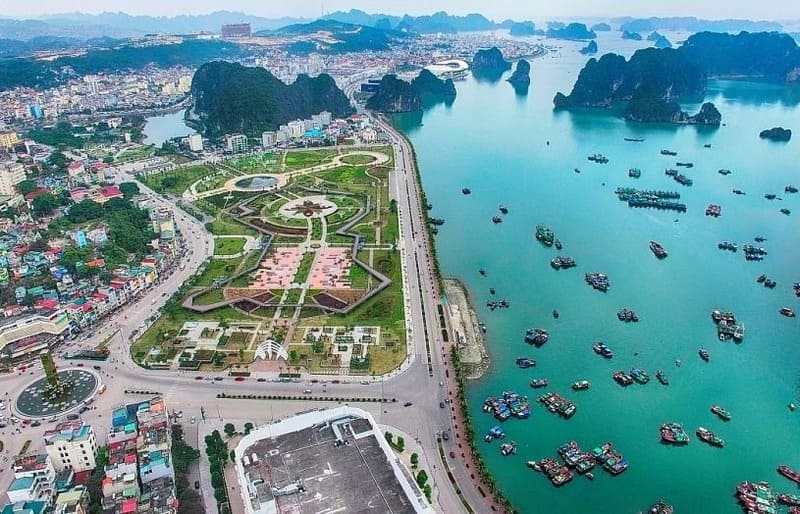
Quang Ninh blends nature, culture, and coastal beauty (Source: Collected)
Hai Phong is an important port city in northern Vietnam and a key connection between the Red River Delta and the sea. It combines urban life, colonial architecture, and access to coastal destinations.
One of the main highlights is Cat Ba Island, known for its rugged landscapes, Lan Ha Bay, and outdoor activities such as kayaking and trekking. Do Son Beach offers a more accessible seaside escape, while the city itself features temples, pagodas, and local markets.
Hai Phong is also well known for its food culture, with local specialties such as banh da cua and nem cua be attracting visitors interested in authentic northern cuisine.
Hung Yen offers a quieter travel experience focused on history, traditional culture, and village life. Located near Hanoi, it is an ideal destination for short cultural trips.
Pho Hien Ancient Town is the province’s most notable historical site, once a busy trading port in northern Vietnam. The area is home to temples, pagodas, and heritage structures that reflect its past significance.
Hung Yen is also known for its craft villages and festivals, preserving many traditional practices of the Red River Delta. This makes it a good choice for travelers interested in local culture beyond mainstream destinations.
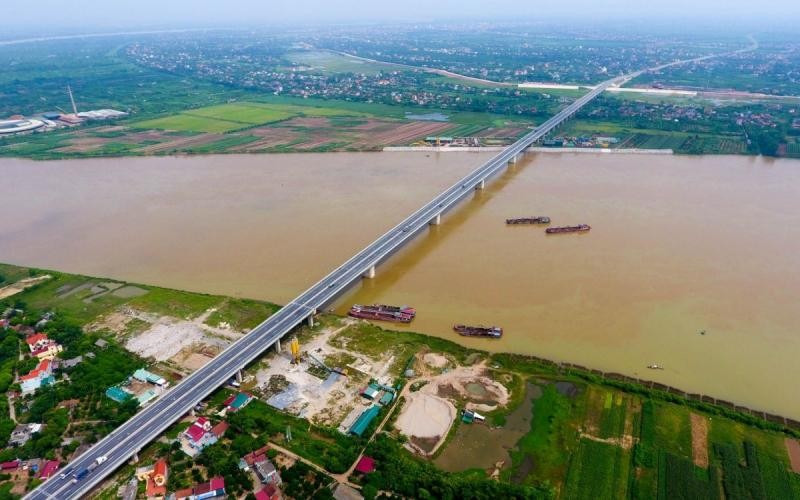
Hung Yen offers quiet Red River Delta experiences (Source: Collected)
Vinh Phuc is a popular getaway from Hanoi, offering a mix of mountain scenery, spiritual sites, and leisure destinations.
Tam Dao is the most well-known area, with cool weather, forested hills, and panoramic views. It is especially popular for short retreats and outdoor activities. Truc Lam Tay Thien Zen Monastery provides a peaceful spiritual setting, while Dai Lai Lake is a relaxing spot for boating and weekend breaks.
The province also features traditional craft villages such as Huong Canh, adding a cultural dimension to its natural attractions.
Ha Nam is one of the lesser-visited provinces in the Red River Delta, offering a more local and authentic atmosphere. It is located just south of Hanoi and is suitable for day trips or short extensions.
Tam Chuc Pagoda is the most prominent attraction, known for its large-scale architecture and scenic lake setting. Other notable sites include Ba Danh Pagoda and Tran Thuong Temple, which reflect the region’s spiritual and historical heritage.
The countryside landscapes in Ha Nam, combined with rivers and limestone formations, create a peaceful environment that contrasts with the busier destinations in northern Vietnam.
If you're planning to explore the Red River Delta, a customized itinerary can help you experience both iconic destinations and hidden local culture. At Your Vietnam Travel, we design tailor-made journeys across northern Vietnam based on your travel style and interests.
Exploring the Red River Delta is most enjoyable with a balanced and flexible approach. Here are a few practical tips to help you make the most of your journey:
Seasonal changes of the Red River also affect travel conditions, see the best time to visit Hanoi before planning your trip.
The Red River is known for its historical importance, fertile delta, and role as one of the cradles of Vietnamese civilization. It has supported agriculture, trade, and settlement in northern Vietnam for thousands of years and remains a key part of the region’s identity today.
The Red River enters Vietnam from China at Lao Cai and flows southeast through provinces such as Yen Bai, Phu Tho, and Hanoi before reaching the Gulf of Tonkin. It forms the Red River Delta, one of the most important regions in northern Vietnam.
The Red River is important because it supports agriculture, shapes the Red River Delta, and connects major economic centers such as Hanoi and Hai Phong. It has also played a central role in Vietnam’s cultural and historical development.
Yes, tourists can join short boat trips or river cruises, especially in Hanoi and nearby areas. These experiences usually focus on sightseeing, local life along the riverbanks, or combined cultural tours.
Boat tours on the Red River are generally safe when operated by licensed providers. Travelers should choose reputable operators and check weather conditions, especially during the rainy season when water levels are higher.
The best time to visit is from October to April, when the weather is cooler and more comfortable for travel. Spring is also a popular period due to cultural festivals across northern Vietnam.
Top destinations include Hanoi, Ninh Binh, Quang Ninh (Ha Long Bay), Hai Phong, Hung Yen, Vinh Phuc, and Ha Nam. Each offers a different mix of culture, nature, and local experiences.
Yes, many traditional festivals in northern Vietnam are connected to the Red River. These include temple festivals, village ceremonies, and seasonal events that reflect agricultural traditions and local beliefs.
The Red River Delta includes 11 provinces and cities, such as Hanoi, Hai Phong, Quang Ninh, Ninh Binh, Hung Yen, and Ha Nam. It is one of the most populated and developed regions in Vietnam.
Yes, the Red River Delta is worth visiting for its combination of history, culture, and diverse landscapes. It offers both iconic destinations like Hanoi and Ha Long Bay, as well as authentic local experiences in traditional villages and countryside areas.
With its strong geographical, historical, and cultural value, Red River Vietnam remains an essential part of northern Vietnam. It continues to support local livelihoods while offering a wide range of travel experiences for visitors seeking to explore the region’s cultural depth and diverse landscapes. The Red River Delta, in particular, stands out as a destination where history, daily life, and natural scenery come together in a meaningful and authentic way.
Looking to explore the Red River Delta with a local expert? Discover our [Northern Vietnam tours] or contact us to design a personalized journey.




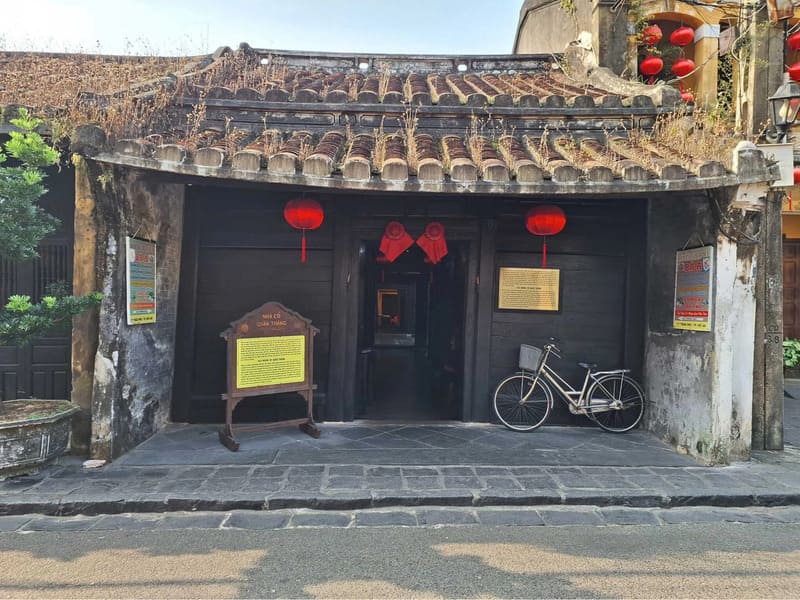
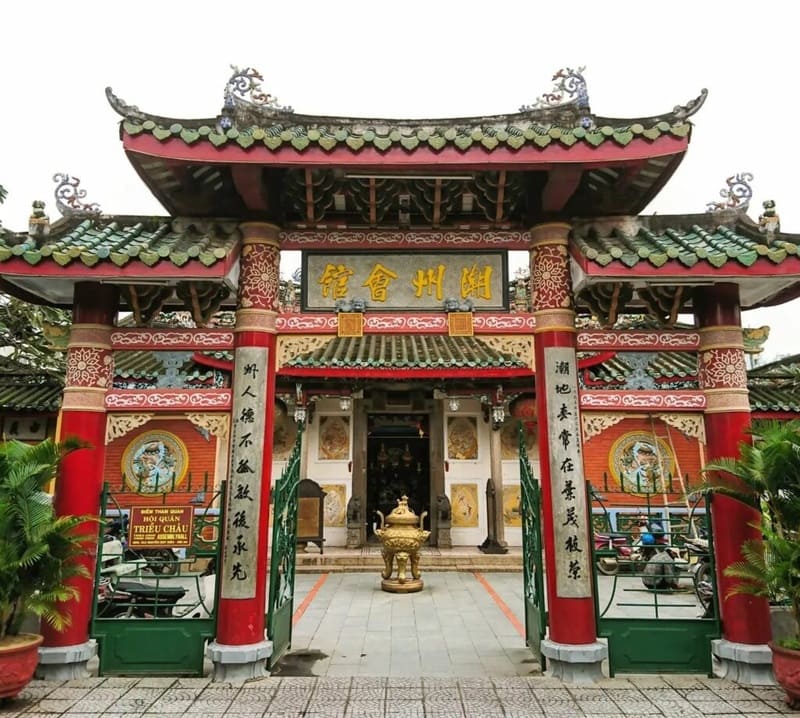
 Vietnam Tours
 Cambodia Tours
 Laos Tours
 Thailand Tours
 Multi-Country Tours