If you want to explore a calmer side of Sapa, Sin Chai Village is a rewarding stop. This peaceful H’Mong village combines terraced fields, mountain scenery, local culture, and easy access from Sapa town, making it suitable for a half-day walk, short trek, or slow cultural visit.
Sin Chai Village is located in Hoang Lien Commune, formerly part of San Sa Ho Commune, in Sapa, Lao Cai Province, northern Vietnam. The village lies about 4 kilometers southwest of Sapa town center and close to Cat Cat Village, one of the most popular ethnic villages in the area.
Sin Chai sits at the foot of the Hoang Lien Son Mountain Range, near the Fansipan area. This location gives the village beautiful views of mountain slopes, rice terraces, valleys, bamboo forests, and rural H’Mong houses scattered along narrow paths.
Although Sin Chai is very close to Sapa town, the atmosphere feels much quieter than Cat Cat or the central tourist area. The village is home to a large Black H’Mong community, with around 1,600 H’Mong people living mainly from farming, livestock raising, handicrafts, and local tourism.
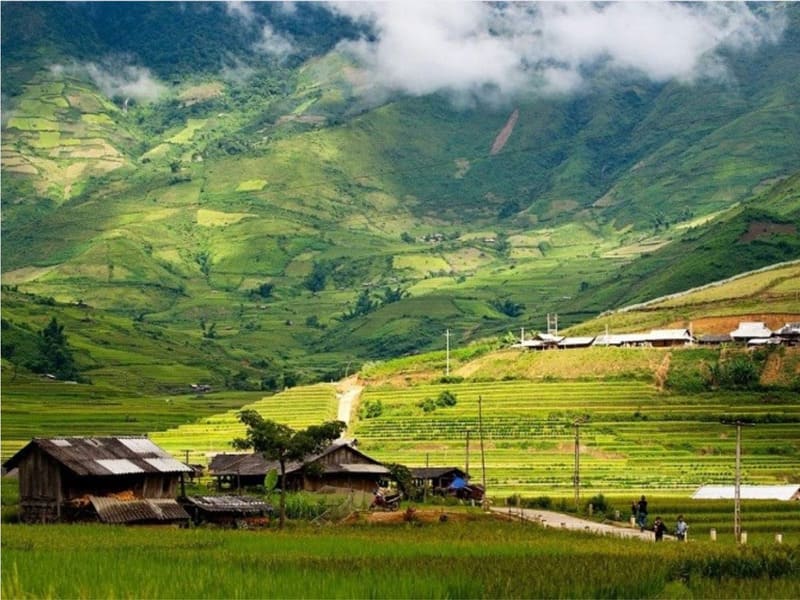
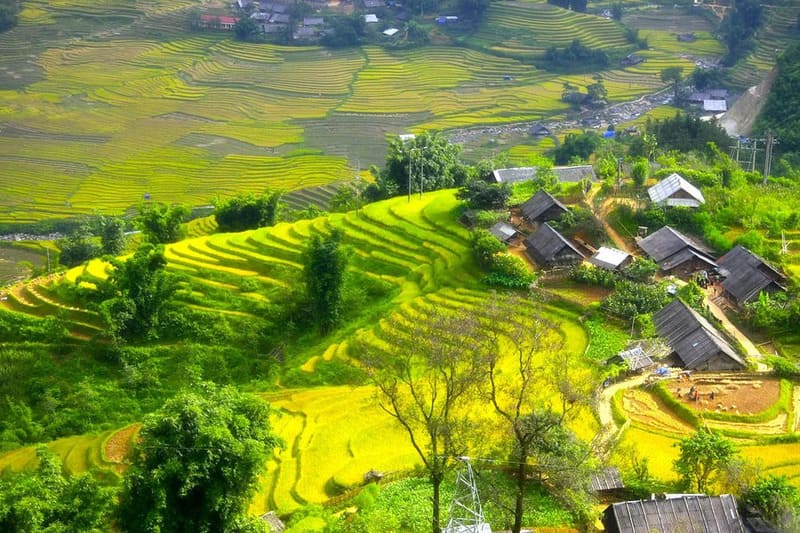
A peaceful view of Sin Chai Village in Sapa (Source: Collected)
Sin Chai Village is worth visiting if you want to see a quieter and more natural side of Sapa. The village is not as developed for tourism as Cat Cat Village, so it feels more peaceful, less commercial, and closer to daily local life.
Sin Chai is especially worth visiting for travelers who enjoy:
The village may not be ideal if you prefer restaurants, souvenir shops, staged performances, and easy paved walking routes. Sin Chai is more rustic. Roads and trails can be steep, muddy, or slippery after rain. Facilities are also limited compared to Sapa town and Cat Cat Village.
The main reason to visit Sin Chai is its balance of accessibility and authenticity. It is close enough for a short trip from Sapa, but still quiet enough to feel like a real highland village rather than a fully commercial tourist site.
Sin Chai Village is located about 4 km from Sapa town, making it easy to visit by trekking, motorbike, taxi, private car, or guided tour. Most routes follow the direction of Cat Cat Village before continuing deeper toward Sin Chai.
For the best experience, choose trekking if you enjoy nature and photography, or take a car/private tour if you prefer a more comfortable and structured visit.
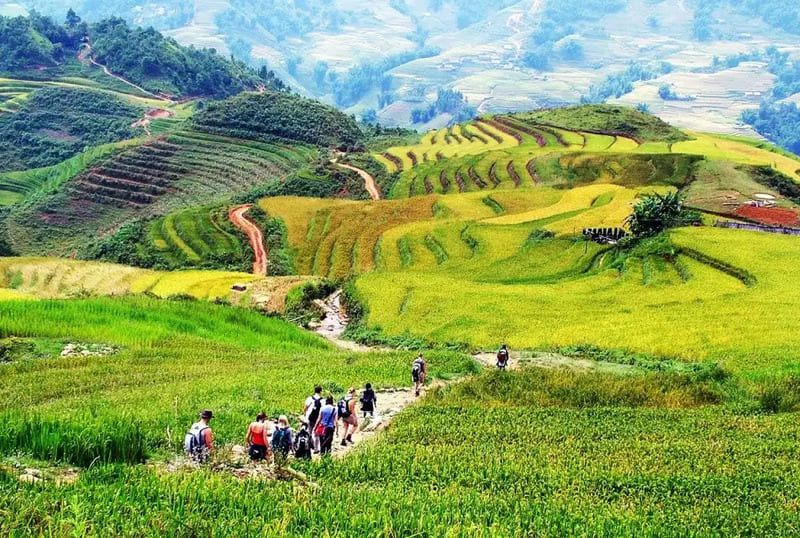
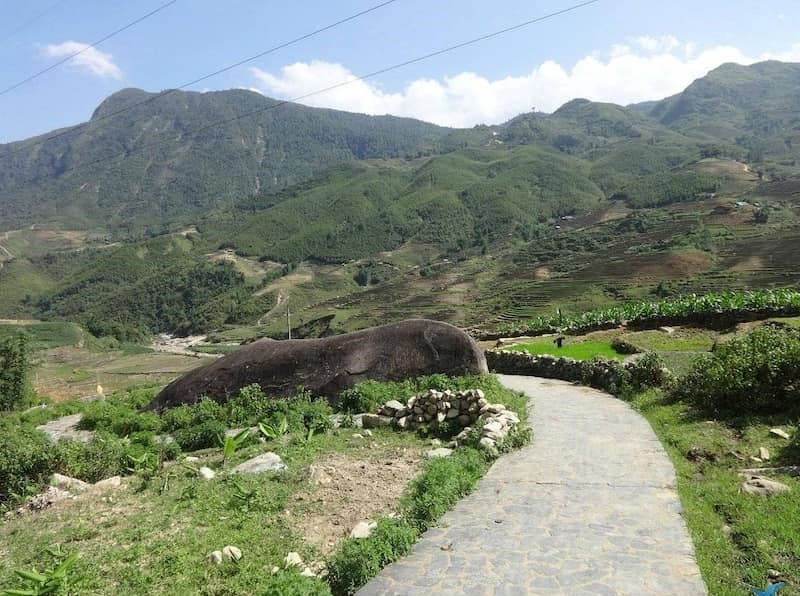
The road to Sin Chai passes mountains and terraces (Source: Collected)
Visitors may be required to buy an entrance ticket when visiting Sin Chai Village, especially if the route is managed together with the Cat Cat tourist area. Ticket prices can vary depending on local regulations and the route you choose, so it is best to check the latest fee at the ticket counter or with your hotel, driver, or local guide before visiting.
As a general reference, the entrance fee is often listed at around:
Prepare cash in small denominations, as card payment is not always available in village areas. ATMs, shops, cafés, and restaurants are also limited inside Sin Chai, so it is better to bring enough cash, water, and any personal essentials before leaving Sapa town.
Sin Chai Village can be visited year-round, with each season offering a different view of Sapa’s mountains, rice terraces, and H’Mong village life.
For the best balance of weather and scenery, visit Sin Chai Village from March to May or September to October. Choose April - May for reflective water terraces, June - August for green fields, and September - October for golden rice views.
For a complete overview of Sapa's weather and seasonal highlights, read our guide to the best time to visit Sapa.
Walking is the best way to explore Sin Chai Village. The narrow paths pass wooden houses, small farms, vegetable gardens, livestock areas, and terraced rice fields along the hillsides.
Compared with more touristy villages near Sapa, Sin Chai feels quieter and more local. You can see villagers working in the fields, carrying baskets, tending buffaloes, or moving between houses.
The rice terraces are especially beautiful from April to May during the water season, from June to August when the fields are green, and from September to October before harvest. Walk slowly, stop at open viewpoints, and enjoy the rural scenery without rushing.
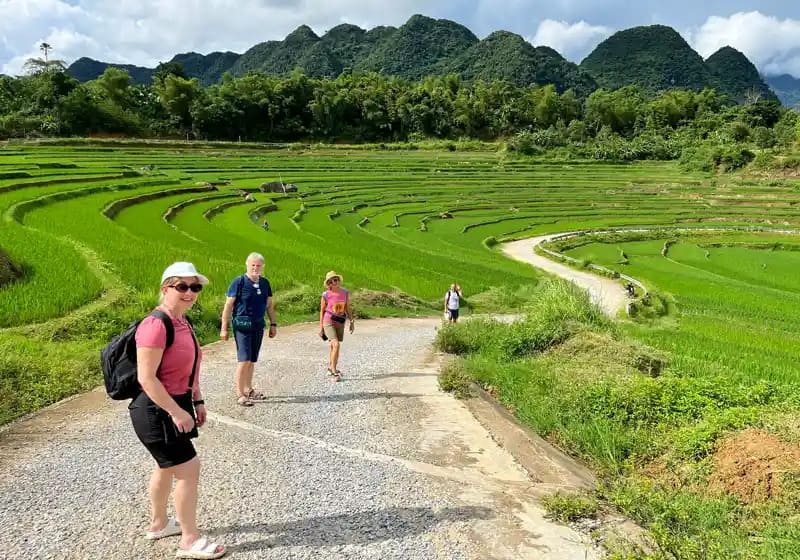
Quiet village paths lead through rice terraces (Source: Collected)
Sin Chai is suitable for short and moderate trekking. Trails around the village lead through rice fields, bamboo groves, small streams, forested areas, and mountain slopes near the Hoang Lien Son foothills.
Easy routes are ideal for casual walkers, while longer trails may include steep climbs, rocky paths, and narrow sections. Popular options include the Sapa – Cat Cat – Sin Chai route, a short Sin Chai village loop, rice terrace walks, and trails toward nearby viewpoints.
A local guide is recommended if you want to go beyond the main village paths or enter forest areas.
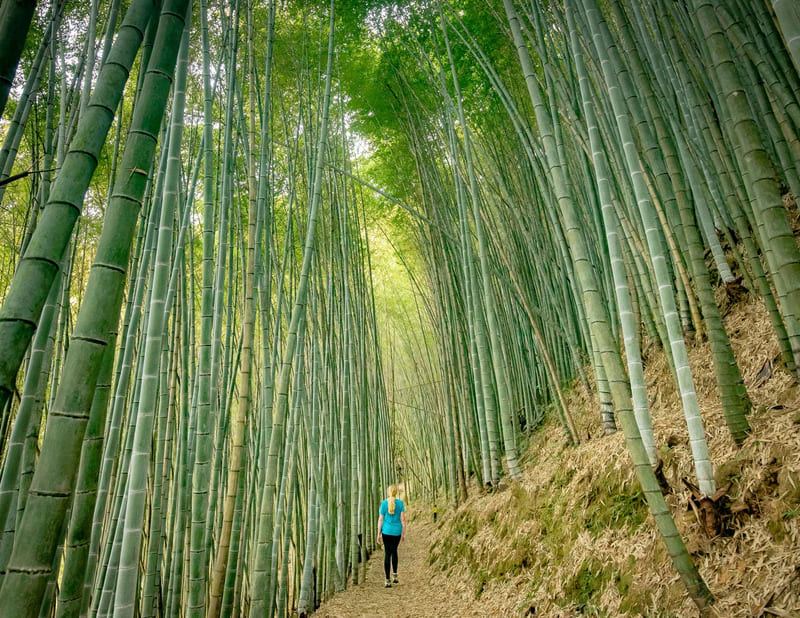
Bamboo trails add charm to the Sin Chai trek (Source: Collected)
Sin Chai is home mainly to the Black H’Mong community. Their culture can be seen in traditional clothing, wooden houses, farming tools, handicrafts, food, and seasonal customs.
During your visit, you may see indigo-dyed clothing, embroidered patterns, silver accessories, drying corn, livestock, and baskets used for carrying crops. Local life is closely connected to rice cultivation, corn farming, vegetable growing, animal raising, and handmade crafts.
Visitors should be respectful. Ask permission before entering a home or taking close-up photos of local people, especially children and elders.
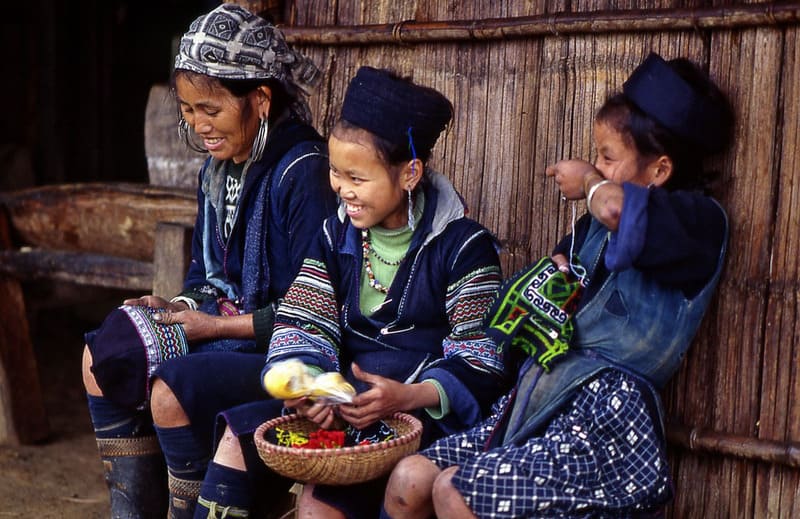
Everyday moments in a Black H'Mong home (Source: Collected)
The Black H’Mong are well known for textile making. In Sin Chai, visitors may see local women spinning hemp, weaving fabric, dyeing cloth with indigo, and embroidering traditional patterns.
Indigo-dyed clothing is one of the most recognizable features of Black H’Mong culture. The deep blue-black fabric is often handmade and decorated with detailed embroidery.
If available, joining a small handicraft demonstration or buying directly from local artisans is a meaningful way to support the community.
Sin Chai is a great place for travelers who prefer natural scenery over staged photo spots. The village offers rice terraces, misty hills, wooden houses, buffaloes, mountain paths, and views toward the Hoang Lien Son range.
The best times for photography are early morning when mist covers the valley and late afternoon when the light becomes softer. April to May is ideal for water-season reflections, while September to October is best for golden rice fields.
Good photo subjects include terraced fields, village paths, traditional houses, farming scenes, mountain layers, and daily life. Always ask before photographing local people closely.
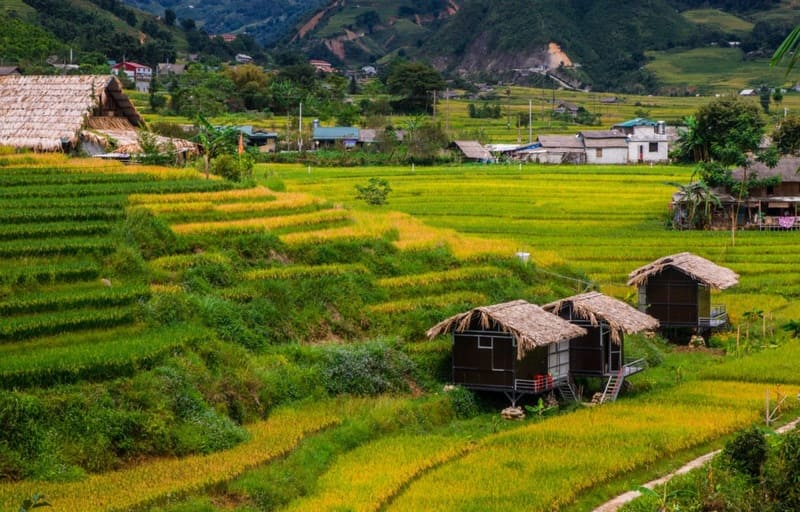
Rural Sapa scenery around Sin Chai Village (Source: Collected)
Sin Chai lies near the foot of the Hoang Lien Son Mountain Range, home to Fansipan, the highest peak in Vietnam. From higher points around the village, you can see valleys, rice fields, mountain slopes, and cloud-covered peaks.
The scenery changes throughout the day. Mornings are often misty, midday can be clearer in good weather, and late afternoon brings warm light across the terraces.
For travelers who want mountain views without a long trek, Sin Chai is a convenient choice close to Sapa town.
Depending on the season and local arrangement, visitors may observe or join simple farming activities such as planting rice, harvesting crops, feeding livestock, collecting vegetables, or preparing food with a host family.
These activities should be approached respectfully because farming is part of daily livelihood. Follow the guidance of your host or guide and avoid disturbing local work.
Sin Chai can also be interesting during H’Mong New Year or traditional festivals such as Gau Tao in the wider H’Mong community. Festival dates often follow the lunar calendar, so check in advance if you want to include them in your trip.
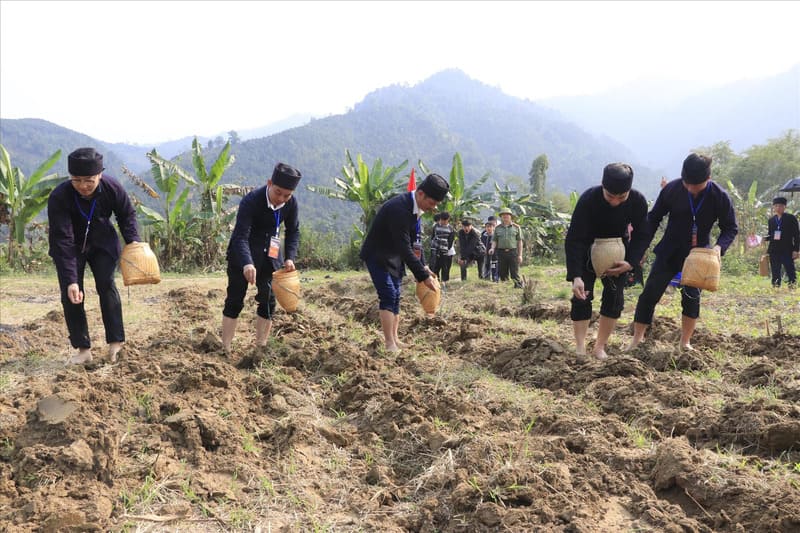
Local farming activities in Sin Chai Village (Source: Collected)
A homestay offers a deeper look at daily life in Sin Chai. Staying with a local family allows you to enjoy quiet evenings, home-cooked meals, and a more personal cultural experience.
Accommodation is usually simple compared with hotels in Sapa town. Expect basic rooms, local meals, fewer modern comforts, and a peaceful village setting.
Meals may include rice, vegetables, grilled pork, chicken, bamboo shoots, forest herbs, corn wine, and other highland dishes. Sharing food with a host family can be one of the most memorable parts of visiting Sin Chai.
Food in Sin Chai Village reflects the mountain environment and the H’Mong way of life. Local meals often use rice, corn, vegetables, herbs, pork, chicken, stream fish, bamboo shoots, and forest ingredients.
Sin Chai Village is close to several of Sapa's most famous attractions, making it easy to combine with other destinations in a one- or two-day itinerary.
A little preparation can make your visit to Sin Chai Village safer, more comfortable, and more respectful of the local community.
Yes. Sin Chai Village is suitable for short and moderate trekking routes from Sapa town or Cat Cat Village. The area has village paths, terraced rice fields, bamboo groves, and mountain trails. Beginners can take a short walk, while active travelers can choose longer routes with a local guide. Wear proper shoes, especially after rain.
Yes. Sin Chai Village is generally quieter and less commercial than Cat Cat Village. Cat Cat has more tourist facilities, souvenir stalls, photo spots, and performances, while Sin Chai offers a more rural atmosphere and a closer look at daily village life.
Yes, overnight stays may be available in or near Sin Chai through local homestays, depending on availability. Facilities are usually simple, so it suits travelers who enjoy local culture and basic comfort. Many visitors also stay in Sapa town and visit Sin Chai as a half-day trip.
Sin Chai Village is mainly home to the Black H’Mong people. Visitors can see their culture through traditional indigo clothing, embroidery, farming practices, wooden houses, local food, and daily village routines.
Most travelers spend about 3 to 5 hours visiting Sin Chai from Sapa town. This is enough for a short trek, village walk, photography, and cultural observation. For a deeper experience with trekking, local meals, handicrafts, or a homestay, plan a full day or overnight stay.
Yes. Visitors may need to buy a ticket for the Sin Chai and Cat Cat area. A common reference price is about 40,000 VND per adult and 20,000 VND per child, while a combined Cat Cat and Sin Chai ticket may cost around 70,000 VND per person. Prices can change, so check locally before visiting.
Yes, but you should start early. A practical plan is to visit Sin Chai in the morning, return to Sapa town for lunch, then take the Fansipan cable car in the afternoon. This works best in clear weather, as fog can reduce visibility on Fansipan.
Sin Chai Village Sapa is a good choice for travelers who want to see a quieter, more authentic H’Mong village near Sapa town. With terraced rice fields, mountain trails, Black H’Mong culture, local food, and views of the Hoang Lien Son Mountains, the village offers a meaningful half-day or full-day experience.


 Vietnam Tours
 Cambodia Tours
 Laos Tours
 Thailand Tours
 Multi-Country Tours