Staying connected in Vietnam is essential for navigation, ride-hailing apps, hotel bookings, translation, online payments, and keeping in touch during your trip. A local SIM card is one of the most affordable ways to access mobile data in Vietnam, especially if you plan to travel for several days or visit multiple destinations.
Travelers can choose between a physical prepaid SIM card from local providers or an eSIM if their phone supports it. Each option has its own advantages depending on your itinerary, data needs, device compatibility, and how quickly you want to get online after arrival.
Yes, most travelers should consider getting a SIM card or eSIM in Vietnam. Free Wi-Fi is available in many hotels, cafés, restaurants, and airports, but it is not always stable or secure. Mobile data gives you more flexibility when moving around cities, booking transportation, using Google Maps, contacting tour operators, or translating Vietnamese signs and menus.
A Vietnam SIM card is especially useful if you plan to:
For short trips, an eSIM may be more convenient. For longer stays, a local prepaid SIM card can offer better value if you buy from an official provider.
When entering hotel locations or arranging deliveries, understanding the Vietnam address format can help you avoid confusion and navigate more accurately.
A local SIM makes traveling in Vietnam much easier (Source: Collected)
A tourist SIM card in Vietnam is generally affordable. The physical SIM card itself may cost around 50,000 VND (≈ US$2), while full prepaid packages with data usually range from about 90,000 VND (≈ US$3.40) to 250,000 VND (≈ US$9.50) or more, depending on the provider, validity period, and data allowance.
Typical Vietnam SIM card costs:
Prices can vary between airports, official stores, convenience stores, and online sellers. Always check what is included before paying, especially data allowance, validity period, call minutes, hotspot support, and whether the SIM is already registered.
The three main SIM card providers in Vietnam are Viettel, VinaPhone, and MobiFone. All offer prepaid SIM cards and tourist-friendly data plans, making them practical choices for short-term visitors.
In most cases, you need to buy a physical prepaid SIM card first. After that, you can choose a data package, add call minutes, or top up more data when needed. Prices and packages may vary by store, airport counter, and promotion, so always check the latest plan details before buying.
Viettel is often the best choice for travelers who want strong coverage across Vietnam. It performs well in major cities, tourist areas, rural provinces, and many mountain regions, making it suitable for longer trips or itineraries that include places like Sapa, Ha Giang, Phong Nha, or the Mekong Delta.
Viettel prepaid plans usually include mobile data and call minutes. Prices commonly range from around 60,000 VND (≈ US$2.30) to 200,000 VND( ≈ US$7.60), with validity periods from 15 to 30 days. Some higher-tier packages may include large data allowances or unlimited data options.
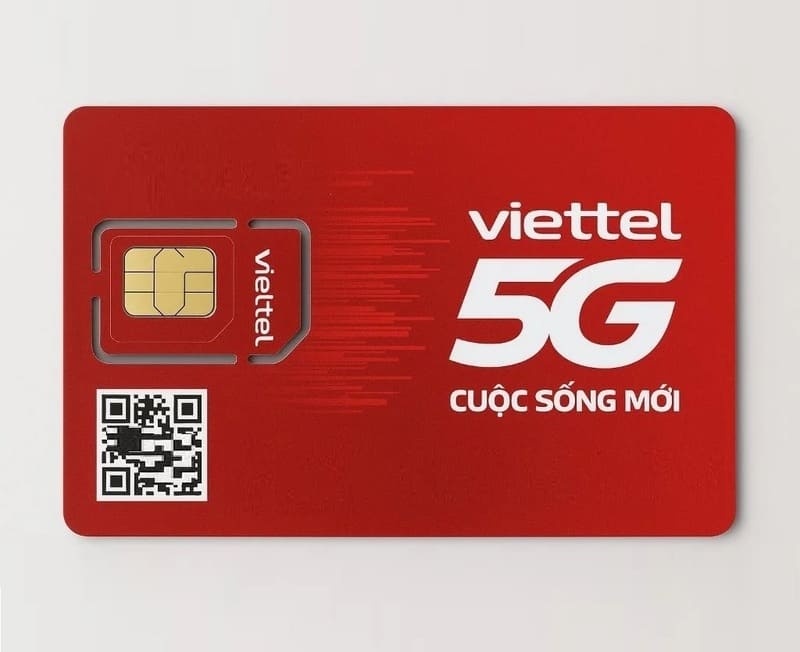
Viettel is a popular choice for Vietnam travel (Source: Collected)
VinaPhone is a solid option for travelers staying mainly in cities and popular tourist destinations. It has good network performance in places such as Hanoi, Ho Chi Minh City, Da Nang, Hoi An, Hue, Nha Trang, and Phu Quoc.
You can buy a prepaid VinaPhone SIM card first, then activate a data package later or request one at the time of purchase. Plans often cost around 90,000 VND (≈ US$3.40) to 200,000 VND (≈ US$7.60), with validity options of 15 or 30 days. Many packages include daily data allowances, plus calls and texts.
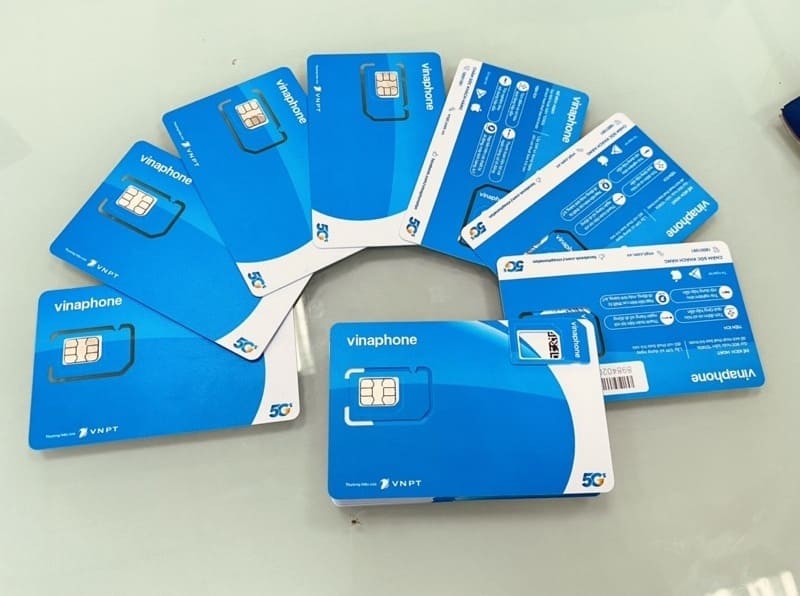
VinaPhone works well in major tourist cities (Source: Collected)
MobiFone is another popular provider in Vietnam, especially for visitors traveling through major cities, beach destinations, and well-developed tourist areas. It offers tourist SIM cards with flexible options for data, local calls, international calls, and texts.
MobiFone data plans typically range from about 90,000 VND (≈ US$3.40) to 250,000 VND (≈ US$9.50), with validity periods from 1 to 30 days. Data allowances can vary widely, from small short-term packages to larger plans for heavier usage. You usually need to buy the physical SIM in person, but extra data packages may be available online after activation.
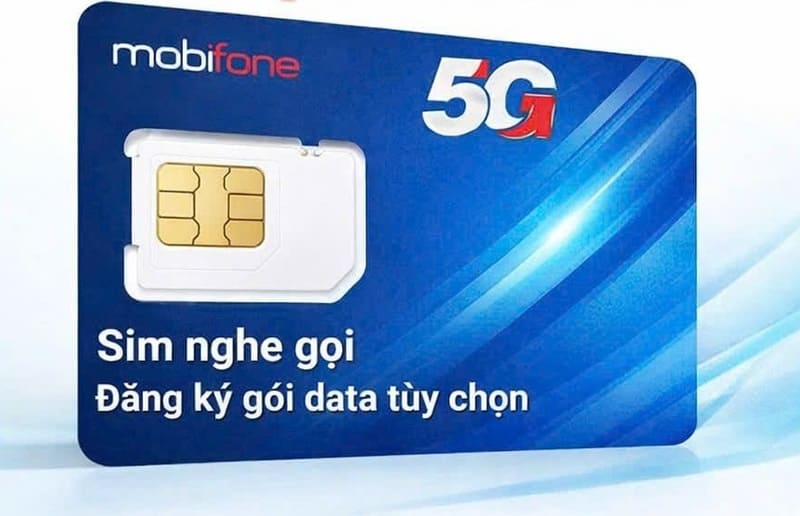
MobiFone is another convenient SIM option (Source: Collected)
For most travelers, Viettel is the best overall SIM card option in Vietnam because of its strong coverage across cities, countryside, and remote destinations. Vinaphone is also reliable for common tourist routes, while MobiFone is suitable for city-focused trips.
A simple way to choose:
If your trip includes remote destinations such as Ha Giang, Cao Bang, Mu Cang Chai, mountain roads, national parks, or rural homestays, Viettel is usually the most practical option.
You can buy a Vietnam SIM card before your trip, at the airport, or after arriving in the city. Each option has different levels of convenience, price, and reliability.
Airport SIM card counters are convenient because you can get connected immediately after landing. Major airports such as Noi Bai International Airport in Hanoi, Tan Son Nhat International Airport in Ho Chi Minh City, and Da Nang International Airport usually have SIM card kiosks near arrival areas.
Pros:
Cons:
Airport SIM cards are best for travelers who want immediate mobile data and do not mind paying slightly more for convenience.
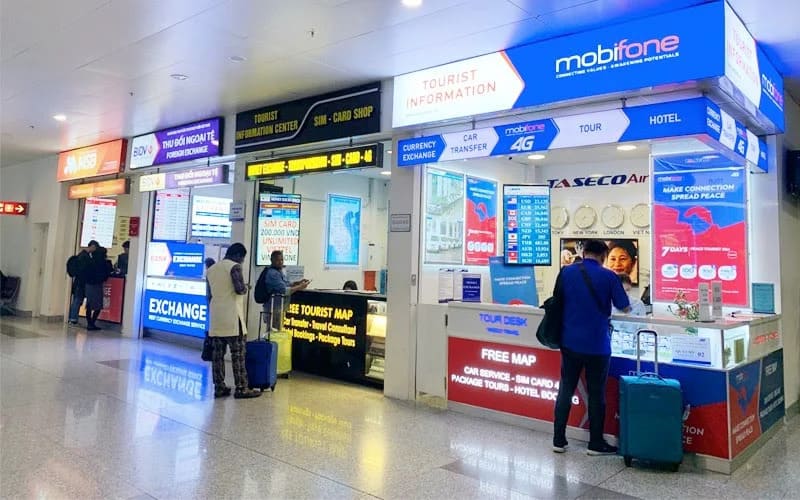
Airport SIM counters help travelers get online quickly (Source: Collected)
Buying from an official Viettel, Vinaphone, or MobiFone store is usually the safest option. Staff can help register the SIM card properly, explain available plans, and make sure the package works before you leave.
Pros:
Cons:
This is the best option for travelers staying in Vietnam for more than a few days or those who want a properly registered SIM card with clear terms.
Some convenience stores, small phone shops, and local retailers sell SIM cards. This can be convenient, but quality and registration practices may vary.
Pros:
Cons:
If you buy from a small shop, ask the seller to activate the SIM, check the data package, and confirm that mobile internet works before leaving.
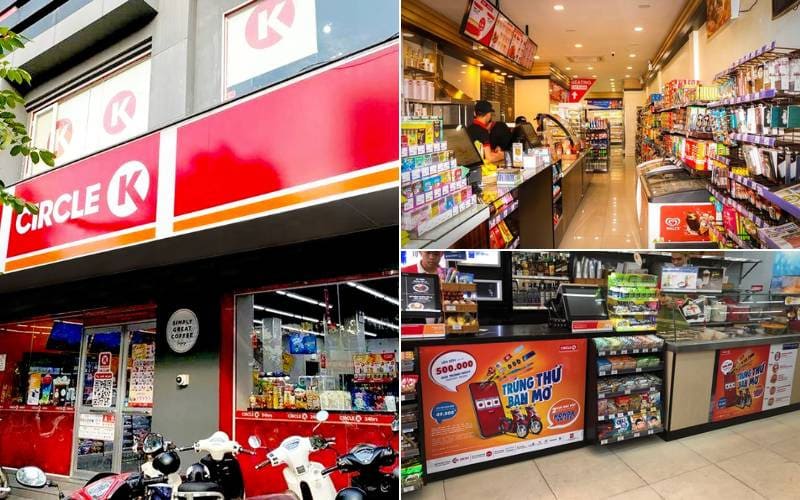
Convenience stores also sell prepaid SIM cards (Source: Collected)
An eSIM is a digital SIM that can be installed on compatible phones without using a physical SIM card. You can buy it online before your trip, scan a QR code, and activate the plan when you arrive in Vietnam.
Pros:
Cons:
An eSIM is a good choice for travelers who want convenience, short-term data, or instant connectivity after landing.
SIM card registration is required in Vietnam. Foreign travelers usually need to provide a valid passport when buying a local prepaid SIM card. The seller or store staff will normally handle the registration process.
You may need:
Make sure your phone is unlocked before traveling to Vietnam. If your device is locked to your home carrier, a Vietnamese SIM card may not work.
After purchase, ask the staff to insert the SIM, activate the package, and test mobile data before you leave the shop. This helps avoid issues with inactive plans or incorrect settings.
In most cases, the seller will help activate your SIM card at the time of purchase. If you need to do it yourself, the process usually involves inserting the SIM, restarting your phone, and following SMS instructions from the provider.
Basic steps:
If mobile data does not work, check your APN settings or ask the provider’s staff for support.
To avoid common issues, keep these tips in mind when buying a Vietnam SIM card:
If you travel to remote areas, prioritize network coverage over the cheapest package.
Buying a local SIM is just one way to make your trip smoother. Explore our Vietnam travel tips for more practical advice on transportation, money, etiquette, safety, and everyday travel.
Yes. Foreigners can buy prepaid SIM cards in Vietnam, but passport registration is usually required. It is best to buy from an official provider store or a reputable airport counter.
Yes. SIM card kiosks are available at major airports in Vietnam, including Hanoi, Ho Chi Minh City, and Da Nang. Airport SIMs are convenient but may cost more than SIMs bought in the city.
Yes. Passport registration is commonly required when buying a local SIM card in Vietnam. The store staff usually helps with the process.
Yes. Many international eSIM providers offer Vietnam data plans. eSIMs are convenient for short trips and can be activated without buying a physical SIM card.
Public Wi-Fi is common in hotels, cafés, and restaurants, but it is not always reliable when you are moving around. A SIM card or eSIM is better for maps, transport apps, messaging, and travel coordination.
Yes. A Vietnam SIM card with mobile data allows you to use WhatsApp, Google Maps, Grab, social media, email, and other travel apps.
You can, but it is not always necessary. Many travelers buy a SIM card at the airport or in the city after arrival. If you want data immediately when you land, consider buying an eSIM before departure.
Some packages are advertised as unlimited, but they may include speed limits or daily high-speed data caps. Always check the package details before buying.
Many SIM cards allow hotspot sharing, but this depends on the provider and plan. Ask the seller before buying if you plan to connect a laptop or other devices.
Buying a Vietnam SIM card is an affordable and practical way to stay connected throughout your trip. Among the three major providers, Viettel is generally the strongest option for nationwide coverage, while MobiFone and VinaPhone also deliver reliable service in most cities and popular tourist destinations. Purchasing from an official store or airport kiosk, registering your passport, and choosing a data package that matches your itinerary will help you enjoy seamless internet access from the moment you arrive.
Learn more:




 Vietnam Tours
 Cambodia Tours
 Laos Tours
 Thailand Tours
 Multi-Country Tours