Da Nang is a modern coastal city in central Vietnam that stands out for its clean beaches, livable urban design, and relaxed pace of life. With a rare combination of city convenience, natural landscapes, and local culture, Da Nang appeals to travelers who want a well-rounded destination without the crowds of Vietnam’s major tourist hubs.
If you're wondering "Is Da Nang worth visiting?", the answer is definitely yes. In this guide from Your Vietnam Travel, you’ll discover why Da Nang is worth visiting, along with practical tips on when to go, where to stay, what to eat, and how to make the most of your time in this vibrant coastal city.
Da Nang is worth visiting if you’re looking for a destination that offers beaches, culture, and modern city life without the chaos of Vietnam’s larger cities. Located in central Vietnam, Da Nang is known for its clean coastline, well-planned infrastructure, and relaxed atmosphere, making it suitable for both first-time and returning travelers.
What makes Da Nang stand out is the variety of experiences packed into one compact city. You can relax on My Khe Beach, explore cultural and spiritual sites like the Marble Mountains and Lady Buddha, admire modern landmarks such as the Dragon Bridge, and still enjoy easy day trips to Hoi An, Ba Na Hills, Hue, and My Son Sanctuary.
The city is also livable and affordable, with a strong local food scene, reliable infrastructure, and a calm, welcoming vibe. While nightlife here is more laid-back than in Ho Chi Minh City or Hanoi, rooftop bars, night markets, and beachfront lounges offer plenty of evening options.
Da Nang may not suit travelers seeking nonstop nightlife, but for those who value scenic landscapes, cultural highlights, comfort, and convenience, it remains one of Vietnam’s most well-rounded destinations. These strengths are reflected in the key reasons why travelers continue to choose Da Nang, explored in detail below.
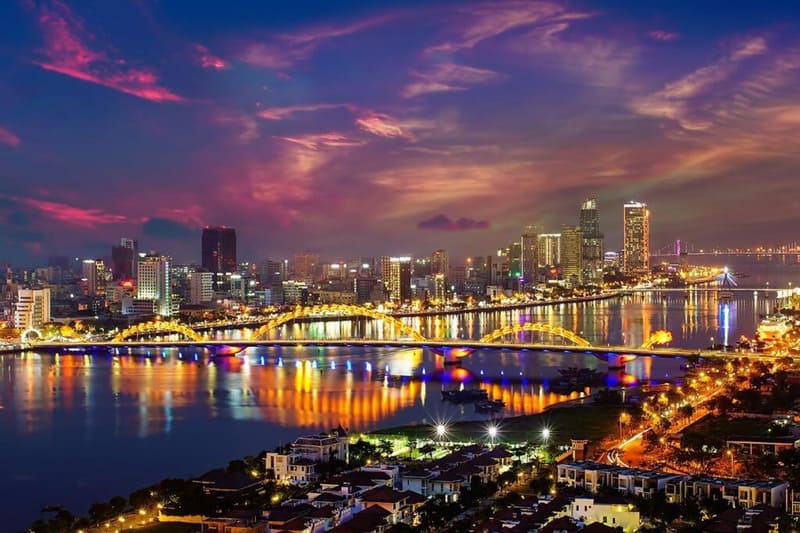
Da Nang blends beaches, culture, and comfort without chaos (Source: Collected)
Da Nang has earned a reputation as one of Vietnam’s most livable cities, with several local and international surveys citing its urban planning, cleanliness, and quality of life. According to the Vietnam Institute for Urban Studies and Infrastructure Development, Da Nang ranks highly for environmental management and urban sustainability. The city’s government actively invests in green infrastructure, public sanitation, and traffic flow management, setting it apart from more chaotic urban centers like Hanoi and Ho Chi Minh City.
Tourists often note the sense of order and calm in Da Nang. Streets are wide and well-maintained, public areas are regularly cleaned, and the overall atmosphere is peaceful. The city has been recognized by ASEAN Clean Tourist City Standard Awards, which reinforce its commitment to sustainable tourism. For travelers seeking a destination that combines comfort with local charm, Da Nang delivers a remarkably pleasant experience.

Da Nang is one of the most livable cities in Vietnam (Source: Collected)
Da Nang’s unique geographical setting makes it one of the few cities in Asia that combines bustling urban life with beachside relaxation and mountainous escapes, all within 30 - 45 minutes. The city center is modern and accessible, while the eastern coastline offers white sandy beaches, and the west transitions into lush hills and nature reserves like the Son Tra Peninsula and Ba Na Hills.
This natural diversity supports a wide range of travel styles. Visitors can start their day sipping coffee in a rooftop café overlooking the Han River, then head to My Khe Beach for a swim, and finish with a sunset hike or cable car ride in the mountains. This blend is ideal for families, solo travelers, and digital nomads alike. It offers both stimulation and serenity in one destination.
Often listed among the world’s most beautiful beaches by international travel media, My Khe Beach stretches for several kilometers along Da Nang’s eastern coastline. Its fine white sand, clear waters, and gentle waves make it suitable for both relaxation and water sports. My Khe Beach has been featured by international media such as Forbes as one of Asia’s most appealing urban beaches.
In addition to My Khe, other nearby beaches such as Non Nuoc, Bac My An, and Thanh Binh cater to different crowds, from families with children to surfers and photographers. Many beachfront resorts and seafood restaurants line the coast, giving visitors convenient access to amenities while preserving the natural beauty of the shoreline. Lifeguards, clean restrooms, and low pollution levels enhance the overall safety and comfort.
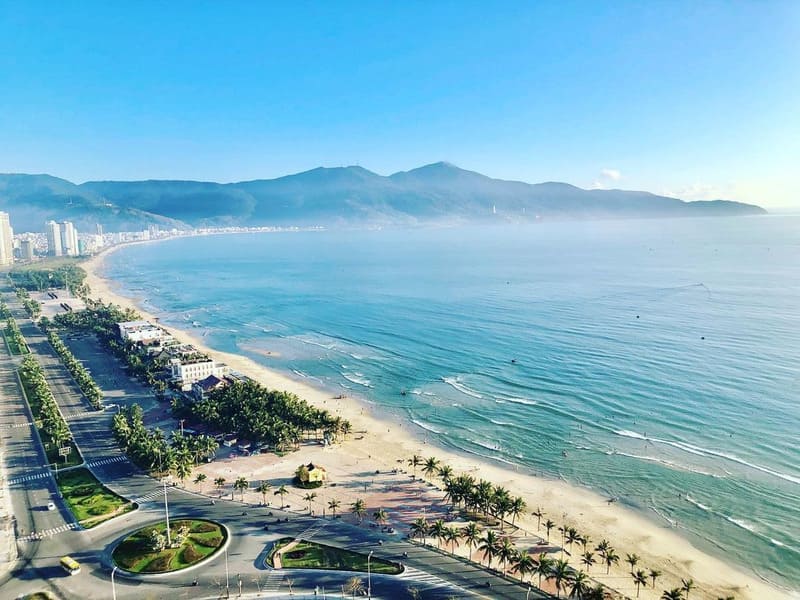
My Khe Beach is beautiful, safe and convenient in Da Nang (Source: Collected)
Da Nang is known for its modern bridges, which are not just functional but also artistic and symbolic. The Dragon Bridge (Cầu Rồng), inaugurated in 2013, spans 666 meters across the Han River and features a massive steel dragon that breathes fire and water every weekend at 9 PM. This engineering marvel has become one of the most photographed icons in the city.
Other noteworthy structures include the Han River Bridge, Vietnam’s first swing bridge, and the Thuan Phuoc Bridge, the longest suspension bridge in the country. These landmarks illuminate beautifully at night, contributing to Da Nang’s skyline and making evening strolls or river cruises unforgettable. Their presence reflects the city's growth and investment in infrastructure and tourism.
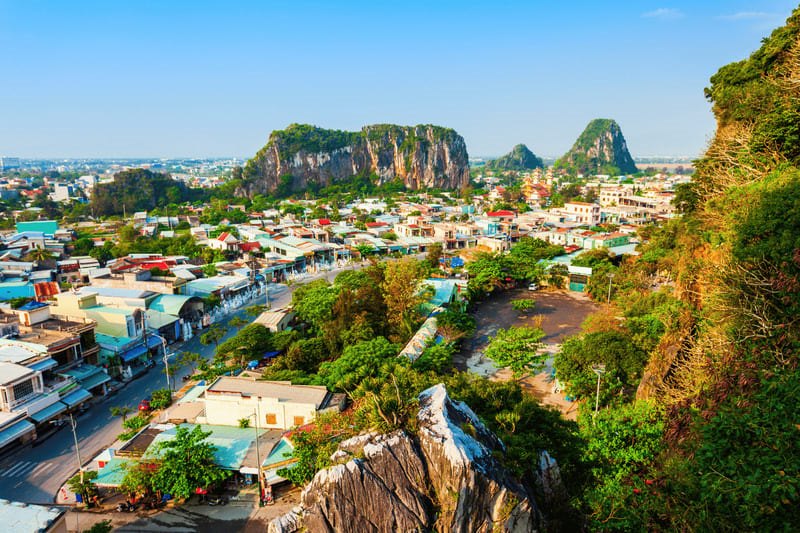
Nature lovers will be spoiled for choice in Da Nang. The city is a gateway to stunning natural attractions such as the Marble Mountains (Ngũ Hành Sơn), a cluster of five limestone and marble hills named after the five elements (metal, wood, water, fire, and earth). These mountains house caves, temples, and panoramic viewpoints that make for a serene half-day trip just 10 km south of the city center.
To the north, Son Tra Peninsula, also known as Monkey Mountain, offers dense rainforest, scenic roads, and rare wildlife sightings. Its summit, Ban Co Peak, provides 360-degree views of the coastline and city below. The Hai Van Pass, made famous by the TV show Top Gear, is another must-see, with dramatic cliffs, ocean vistas, and winding roads ideal for motorbike adventures.
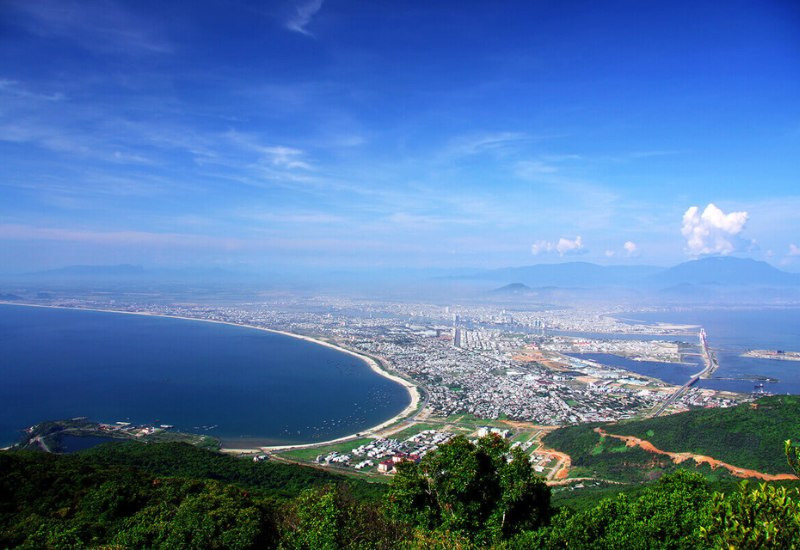
Da Nang's natural landscape includes majestic mountains, peninsulas and mountain passes (Source: Collected)
Da Nang blends modern development with strong cultural and spiritual traditions that remain central to local life. One of the city’s most important religious landmarks is Linh Ung Pagoda, set on the slopes of Son Tra Peninsula. Here stands the iconic Lady Buddha, rising 67 meters high and facing the sea. As the tallest Buddha statue in Vietnam, it is believed to bring peace and protection, especially to fishermen and coastal communities. The site attracts both pilgrims and visitors seeking panoramic views and a calm, reflective atmosphere.
Beyond major temples, Da Nang’s cultural character is deeply felt in everyday settings. Traditional hubs such as Con Market and Han Market offer insight into local routines, regional food, and long-standing trading traditions. For travelers interested in ancient history, a short journey leads to My Son Sanctuary, a UNESCO World Heritage Site featuring centuries-old Hindu temples built by the Cham civilization. Together, these sites reflect the cultural depth, spiritual diversity, and historical continuity of Central Vietnam.
Strategically located in Central Vietnam, Da Nang serves as an ideal base for exploring the region. It lies just 30 km from Hoi An, 100 km from Hue, and 70 km from My Son Sanctuary. Da Nang International Airport (DAD) connects the city to major Asian hubs like Seoul, Bangkok, and Kuala Lumpur, as well as domestic destinations like Hanoi and Ho Chi Minh City.
This central location reduces travel time and allows for more flexibility in planning multi-city itineraries. Trains, buses, and private transfers are readily available, and many travelers use Da Nang as a midpoint to explore Vietnam from north to south. This makes it highly attractive for both short-term visitors and long-term travelers.
One of Da Nang’s strongest advantages is its proximity to multiple UNESCO sites and heritage towns. Within 45 minutes, you can reach Hoi An Ancient Town, known for its lantern-lit streets and preserved merchant houses. In about two hours, you can visit Hue, Vietnam’s former imperial capital with palaces, tombs, and citadels.
Natural wonders are equally accessible. Day tours to Ba Na Hills include the Golden Bridge, an Instagram-famous pedestrian walkway held by giant stone hands. You can also arrange trips to the Cham Islands for snorkeling and diving, or to the lush countryside for cooking classes and cycling adventures. Da Nang offers a central starting point for varied and memorable experiences.

The Golden Bridge in Da Nang amidst the clouds and mountains of Ba Na (Source: VnExpress)
Da Nang is a food lover’s paradise. Signature dishes like Mi Quang (turmeric rice noodles with pork, shrimp, and herbs), banh xeo (crispy rice flour pancakes), and bun cha ca (fish cake noodle soup) are both flavorful and affordable. Local food tours and cooking classes are great ways to explore the city’s culinary heritage.
Seafood is another highlight, with freshly caught clams, prawns, squid, and crabs served daily along the coast. Dining at beachfront restaurants or local seafood markets like Cho Han gives visitors an authentic taste of Central Vietnamese cuisine. Many eateries are family-run, and the freshness and quality of ingredients are consistently high.
Compared to tourist-heavy destinations in Southeast Asia, Da Nang remains a cost-effective choice. Hotel prices typically range from budget hostels at $8 - $15 USD per night to luxury beachfront resorts starting at $60 - $100 USD. Meals at local restaurants average $1 - $3 USD, while high-end dining rarely exceeds $25 USD per person.
Transportation is also affordable, with motorbike rentals at around $5 - $8 USD per day and rideshare apps like Grab offering cheap, safe options. This affordability doesn’t come at the cost of quality, making Da Nang accessible for budget-conscious travelers without sacrificing comfort or experience.
Da Nang offers affordable travel without sacrificing quality (Source: Collected)
Da Nang is widely appreciated for the kindness and sincerity of its residents. Visitors often describe the people as approachable, respectful, and eager to help, even when communication is limited by language differences. In comparison to larger cities, Da Nang has a reputation for being safer and more transparent, with fewer tourist scams or aggressive sales tactics. Many travelers feel at ease thanks to the locals’ genuine hospitality.
Throughout the city, from neighborhood food stalls to beachfront cafés, interactions with locals tend to be warm and welcoming. Taxi drivers typically use meters fairly, shopkeepers offer honest prices, and street vendors greet customers with friendly smiles. This positive and trustworthy atmosphere leaves a lasting impression, especially on solo travelers and first-time visitors to Vietnam. The local attitude plays a significant role in making Da Nang a destination people are happy to return to.
Da Nang is one of Vietnam’s most modern cities, offering efficient infrastructure that supports a smooth travel experience. The airport is clean and organized, roads are well-marked, and there’s a growing number of English-speaking guides and hospitality staff. Free public Wi-Fi is widely available in hotels, cafés, and even parks.
New developments include international-standard hospitals, coworking spaces for digital nomads, and eco-friendly public transport initiatives. The city is also investing in smart city technologies and digital tourism tools, ensuring that visitors feel safe, informed, and connected throughout their stay.

Modern Da Nang city with tourist-friendly infrastructure (Source: Collected)
Da Nang may not have the wild party scene of Ho Chi Minh City, but it still offers plenty of nightlife options. Rooftop bars like Sky 36 offer panoramic city views and signature cocktails. Along the beach, venues like Naman Retreat Beach Club and My Casa host live music and themed nights in a relaxed setting.
The city also boasts night markets such as Helio Night Market and Son Tra Night Market, where you can shop for souvenirs, try street food, and watch live performances. For a more local experience, karaoke lounges and coffee shops that stay open late add a cultural twist to your nights out.
Nature and wildlife enthusiasts will find rewarding experiences at Son Tra Nature Reserve, one of the most important green spaces in Central Vietnam. The reserve is home to the critically endangered red-shanked douc langur, a striking primate species native to limited areas of Vietnam and Laos. Guided wildlife tours led by local conservation experts help visitors observe these animals responsibly while learning about ongoing protection efforts.
Beyond primate spotting, the reserve offers excellent opportunities for birdwatching, butterfly observation, and hiking through dense tropical forest. Covering more than 4,400 hectares, Son Tra plays a vital role in regional biodiversity conservation and ecosystem preservation. Visiting this area allows travelers to connect with nature in a respectful, educational, and eco-conscious way while supporting sustainable tourism initiatives in Da Nang.
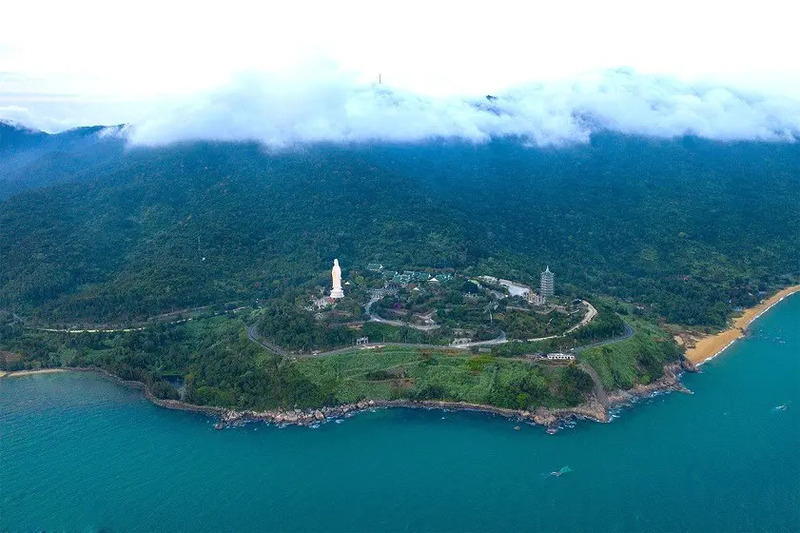
Son Tra Peninsula, Da Nang (Source: Collected)
Da Nang is a year-round destination, but timing your trip can elevate the experience. Here’s a quick guide:
Recommendation: For great weather and fewer crowds, late February to early May stands out as the best time to visit.
Learn more: When is the Best Time to Visit Da Nang
Spending 3 to 4 days in Da Nang is ideal for most travelers. This gives you enough time to enjoy the city’s top attractions, relax on its beaches, and take short trips to nearby cultural and natural landmarks.
In three days, you can explore Da Nang’s urban highlights, spend time at My Khe Beach, and visit iconic sites like the Marble Mountains or Linh Ung Pagoda. With an extra day, you can include memorable day trips to places like Hoi An, Ba Na Hills, or even Hue, adding more depth and variety to your travel experience.
If you enjoy a mix of beach, culture, and adventure, Da Nang offers a balanced itinerary that fits comfortably within a 4-day visit. Longer stays allow for a slower pace, but 3-4 days will cover the essentials without feeling rushed.
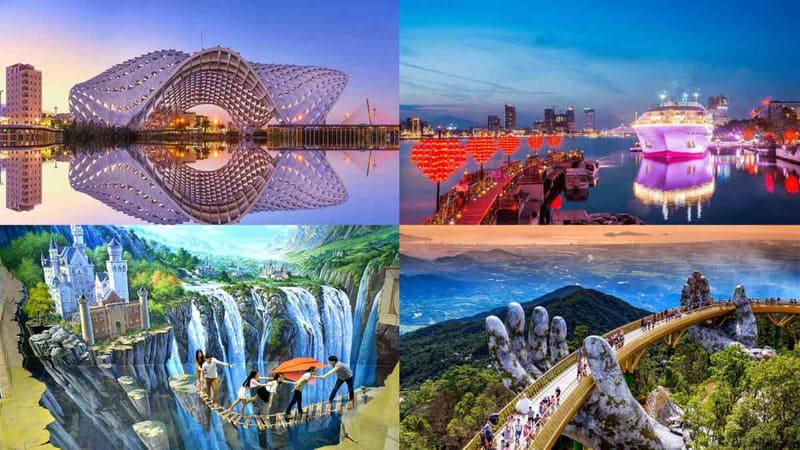
Notable tourist attractions in Da Nang (Source: Collected)
Da Nang offers a wide range of accommodations that cater to every budget and travel style. From beachfront boutique hotels to centrally located budget stays, here's a curated list of great places to stay in Da Nang, sorted by travel preferences and experience.
Exploring Da Nang is a rewarding experience, and getting from place to place is simple thanks to a variety of convenient transportation options. Whether you're staying downtown, venturing to the beach, or heading out to nearby attractions, Da Nang offers flexible ways to move around that suit every traveler's style and budget.
Da Nang’s central area is compact and pedestrian-friendly, especially along the riverside and around the Dragon Bridge. Walking is a great way to soak in the local atmosphere, stumble upon hidden gems, and discover parks, cafes, and cultural corners at your own pace. Early mornings and evenings are ideal for strolling, as the midday heat can be intense.
Grab is the go-to ride-hailing app in Vietnam, offering reliable service throughout Da Nang. The app is available in English and allows you to book either a car or a motorbike, depending on your comfort level. It’s a cost-effective and air-conditioned alternative to traditional taxis, and it removes the need to negotiate fares. Grab is especially useful for short trips across the city or reaching popular destinations like Marble Mountains or My Khe Beach.
For travelers who want more freedom to explore at their own pace, renting a motorbike is a popular choice. Daily rentals are affordable, and riding allows access to more remote or scenic areas like Son Tra Peninsula or Hai Van Pass. Make sure to wear a helmet, carry an international driving permit, and be cautious with local traffic norms.
Some hotels and guesthouses offer bicycles for rent or complimentary use. This is a relaxing option if you’re planning to cruise along the coast or explore quieter neighborhoods. Da Nang’s flat terrain and coastal roads make cycling enjoyable, particularly during cooler hours.
Da Nang’s public bus system is limited but available, with routes connecting the airport, bus station, and key parts of the city. For airport transfers, pre-booked cars or Grab are generally more convenient and time-efficient, especially if you're carrying luggage.
Pro Tip: Download an offline map or use Google Maps for real-time directions. Vietnamese street names can be similar, so having navigation on hand helps avoid confusion.

Getting around Da Nang is easy and convenient (Source: Collected)
Yes, Da Nang has a wide network of ATMs throughout the city, including at the airport, shopping malls, convenience stores, and major streets. Most international cards (Visa, Mastercard) are accepted. Currency exchange services are also available at banks, hotels, and authorized exchange counters. For the best exchange rates, consider using official bank branches such as Vietcombank or BIDV.
Credit cards are accepted at most hotels, upscale restaurants, shopping centers, and some tourist services. However, smaller local eateries, markets, and family-run shops often prefer cash. It’s a good idea to carry some Vietnamese Dong for day-to-day purchases, especially when visiting street food stalls or local attractions.
Yes, motorbike rentals are widely available and very affordable, typically costing 5 - 8 USD per day. Riding a motorbike gives you the freedom to explore areas like Son Tra Peninsula and the Hai Van Pass. However, safety depends on your riding experience and familiarity with local traffic. Always wear a helmet, drive cautiously, and carry an international driving permit if required.
Da Nang is well-suited for elderly travelers. The city’s infrastructure is modern and easy to navigate, with wide sidewalks, clean streets, and accessible facilities. Many attractions, such as Ba Na Hills and the Marble Mountains, offer cable cars or elevators to reduce physical strain. Additionally, the relaxed pace, availability of guided tours, and comfortable accommodations make Da Nang an excellent choice for older visitors.
For optimal conditions, late February to early May is considered the best time to visit Da Nang.
Da Nang is one of the safest cities in Vietnam for travelers. Violent crime is rare, and petty crime such as pickpocketing is uncommon but can occur in crowded areas, as with any travel destination. The city is known for its honest locals, fair pricing, and welcoming atmosphere. Basic precautions like securing your belongings and using licensed transport services are always recommended.
Da Nang is a practical and well-rounded destination for travelers in Vietnam. It offers clean beaches, modern infrastructure, cultural landmarks, and easy access to nearby attractions like Hoi An and Ba Na Hills. With its balance of convenience, affordability, and diverse experiences, Da Nang is a smart choice for both short visits and extended stays.
Are you ready to explore Da Nang? Let Your Vietnam Travel help you plan a smooth and personalized trip with expert local support. Contact us at (+84) 98 810 8453 for custom itineraries, hotel deals, and travel tips tailored to your journey.

 Vietnam Tours
 Cambodia Tours
 Laos Tours
 Thailand Tours
 Multi-Country Tours