Vietnam in autumn is known for its pleasant northern weather, golden rice terraces, colorful festivals and diverse travel experiences. Whether you're planning to trek through the mountains, cruise among limestone islands or explore historic cities, choosing the right destinations and travel dates makes a significant difference. Here's everything you need to know about visiting Vietnam in autumn.
Autumn in Vietnam generally lasts from September to November, but the weather varies significantly by region.
In Northern Vietnam, autumn is marked by cooler temperatures, lower humidity and comfortable sightseeing conditions. September is the rice harvest season in many mountain areas, October usually offers the best weather, while November brings colder air to the far north.
Central Vietnam enters its rainy and typhoon season during these months. Weather can change quickly, with heavy rain, rough seas and occasional flooding, especially along the coast.
Southern Vietnam stays warm year-round. September and October remain rainy, while November becomes drier as the dry season approaches. This is also the Mekong Delta's floating season, when waterways and wetlands reach their peak.
| Month | Seasonal Highlights | Main Considerations |
| September | Golden rice terraces, lush scenery, Mid-Autumn Festival | Rain remains common in central and southern Vietnam |
| October | Pleasant northern weather, buckwheat flowers, trekking | Heavy rain and flooding possible in Central Vietnam |
| November | Cooler north, improving weather in the south | Cold mornings in the mountains, rain may continue in central areas |
Vietnam's long coastline creates noticeable regional differences during autumn. Checking the forecast for your destination is more useful than relying on nationwide averages.
| Region | Typical Temperature | Weather | Best For | Main Considerations |
| Northern Vietnam | 18 - 30°C (cooler in the mountains) | Cooler and drier from October | Sightseeing, trekking, rice terraces, cruises | Fog, cold spells, changing harvest dates |
| Central Vietnam | 22 - 31°C | Warm, humid, and rainy | Heritage sites, food tours, highlands | Typhoons, flooding, rough seas |
| Southern Vietnam | 24 - 32°C | Warm with frequent showers early in the season | City breaks, river trips, islands | Afternoon rain and high humidity |
Northern Vietnam offers the country's most recognizable autumn weather. Temperatures gradually cool from September, with October and early November providing comfortable conditions for walking tours, trekking and photography.
Mountain destinations such as Sapa, Ha Giang and Mu Cang Chai are noticeably cooler than the lowlands. Early mornings and evenings can be chilly, while fog occasionally reduces visibility on high passes.
Autumn is also the rice harvest season, when terraced fields turn golden between late August and October. Harvest dates vary by altitude and local weather, so checking conditions before traveling is recommended.
To explore the region’s mountains, rice terraces and cultural landmarks, check out our Northern Vietnam travel guide.
Autumn is the wettest season in Central Vietnam. Destinations including Hue, Da Nang and Hoi An often experience heavy rain, tropical storms and occasional flooding from September to November.
Although sunny periods still occur, weather disruptions can affect beaches, boat trips and transportation. Travelers should keep itineraries flexible and monitor forecasts, especially during peak typhoon periods.
Higher-altitude destinations such as Da Lat are cooler than the coast. Rain is still common early in the season but usually begins to ease by November.
If you’re planning to visit Hue, Da Nang or Hoi An, our Central Vietnam travel guide offers practical tips and itinerary ideas.

Autumn colors across Vietnam’s central highlands (Source: Collected)
Southern Vietnam remains warm throughout autumn, with temperatures often around 30°C. September and October typically bring short but heavy afternoon showers, while mornings are usually suitable for sightseeing and river excursions.
The season also coincides with the floating season in the Mekong Delta, when rising water levels transform wetlands and waterways across provinces such as An Giang and Dong Thap.
By November, rainfall generally decreases, creating better conditions for visiting Ho Chi Minh City, the Mekong Delta and Phu Quoc, though sea conditions should still be checked before island or snorkeling trips.
For more destination ideas and travel advice, check out our Southern Vietnam guide before finalizing your itinerary.
From late September to November, Hanoi becomes cooler and less humid, creating favorable conditions for walking around Hoan Kiem Lake, the Old Quarter, West Lake and the French Quarter. Tree-lined streets such as Phan Dinh Phung and Hoang Dieu are especially attractive during this period.
Autumn in Hanoi is also associated with milk flower fragrance, cốm wrapped in lotus leaves and seasonal Mid-Autumn Festival decorations. Visitors can combine city walks with the Temple of Literature, museums, street food tours and open-air cafés serving egg coffee.
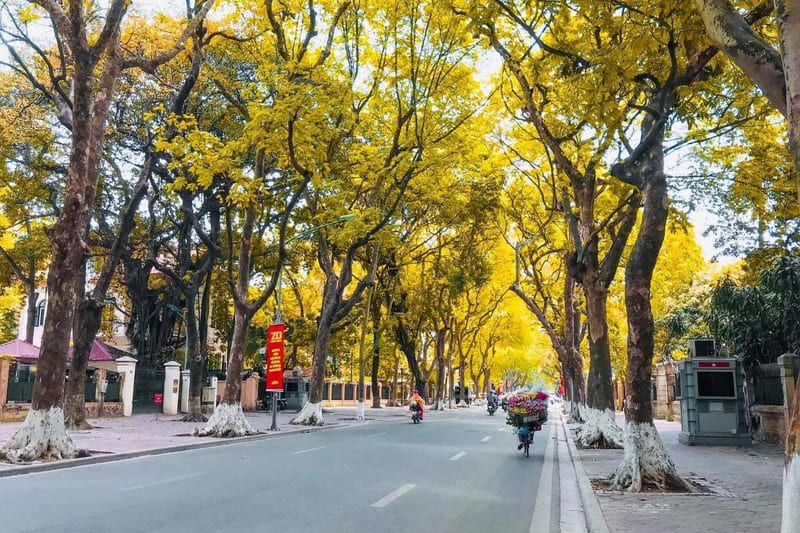
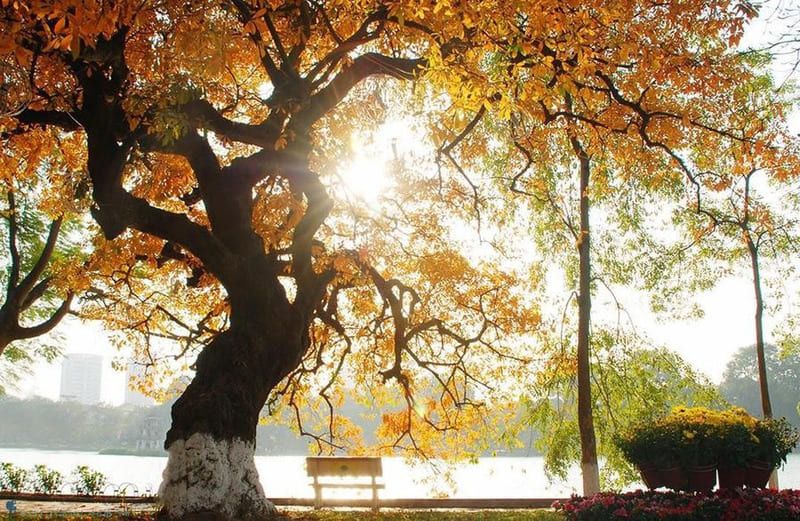
Hanoi feels calmer and cooler during autumn (Source: Collected)
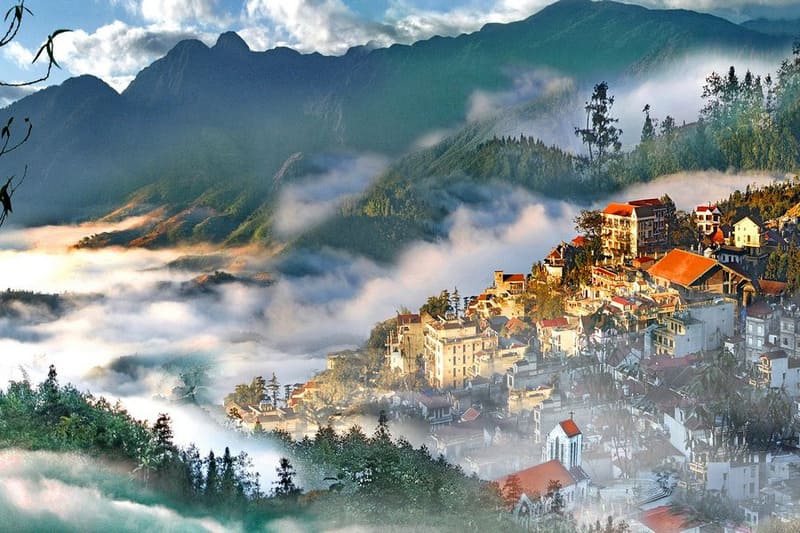
September is one of the best months to see Sapa’s terraced fields before and during the rice harvest. Muong Hoa Valley and villages such as Lao Chai, Ta Van, Ta Phin and Y Linh Ho offer trekking routes through golden fields and ethnic minority communities.
Mountain weather changes quickly, with possible fog, drizzle and colder conditions around Fansipan. As harvest timing and visibility vary, staying for several days provides more flexibility than taking a short day trip.
Mu Cang Chai is renowned for rice terraces covering steep hillsides in Yen Bai Province. The main golden season usually lasts from mid-September to mid-October, although fields ripen at different times depending on elevation.
La Pan Tan, Che Cu Nha, De Xu Phinh, Tu Le Valley and Khau Pha Pass are key viewing areas. Trekking, photography and seasonal paragliding are popular, but steep roads require careful travel. Accommodation should be booked early for harvest weekends.
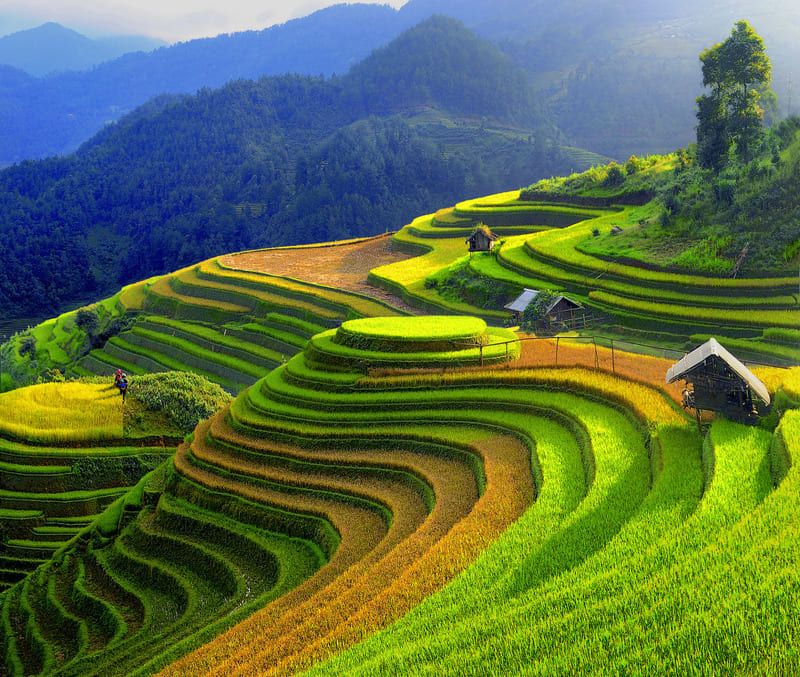
Scenic rice terraces in Mu Cang Chai, northern Vietnam (Source: Collected)
Ha Giang offers two distinct autumn highlights: golden rice terraces in Hoang Su Phi during September and buckwheat flowers across the Dong Van Karst Plateau in October and November.
The Ha Giang Loop connects limestone mountains, ethnic villages and landmarks such as Ma Pi Leng Pass, Dong Van Old Quarter, Lung Cu, the Hmong King’s Palace and the Nho Que River. Because roads are narrow, steep and often foggy, inexperienced riders should travel with a local driver or organized tour.
Moc Chau is a convenient highland escape for travelers seeking cooler weather within easier reach of Hanoi. September may bring golden rice fields, while wild sunflowers, buckwheat and white mustard flowers become more common later in autumn.
Tea plantations, villages, flower gardens, pine forests and waterfalls provide varied sightseeing options. Early mornings are often cool and foggy, so warm layers are useful.

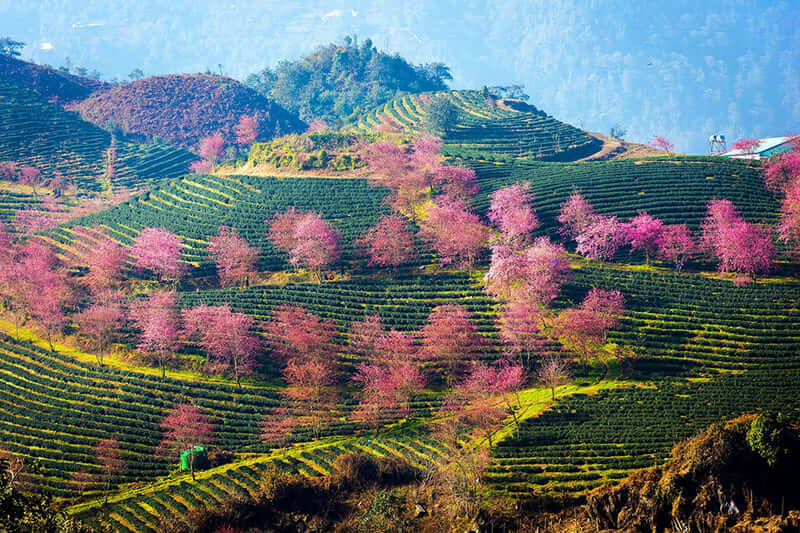
White blossoms brighten the hills of Moc Chau (Source: Collected)
Autumn’s milder temperatures make cycling, hiking and boat trips in Ninh Binh more comfortable. Trang An and Tam Coc feature waterways, caves and limestone valleys, although Tam Coc’s main rice season usually occurs earlier in the year.
Mua Cave offers panoramic views after a climb of about 500 steps. Other worthwhile stops include Hoa Lu, Bich Dong Pagoda, Bai Dinh Pagoda, Van Long Nature Reserve and Cuc Phuong National Park. Trail conditions should be checked after heavy rain.
October and November are often suitable for cruising Ha Long Bay, with lower humidity, comfortable temperatures and improved visibility. Common activities include kayaking, cave visits, swimming, cooking demonstrations and overnight stays.
Lan Ha Bay and Bai Tu Long Bay provide alternative routes with different scenery and fewer boats in some areas. Storms may still disrupt departures, particularly in September, so travelers should leave sufficient time before onward flights.

Autumn is a pleasant time to cruise Ha Long Bay (Source: Collected)
Hue is best suited to travelers interested in imperial history, architecture and cuisine. The Imperial City, Nguyen Dynasty royal tombs, Thien Mu Pagoda and traditional garden houses are central attractions.
Autumn also brings a high risk of heavy rain and flooding. Outdoor visits should be scheduled during drier periods, with museums, historic residences, cafés and food experiences kept as alternatives. Local specialties include bun bo Hue, banh beo, banh nam and banh khoai.
Cooler temperatures make exploring Hoi An Ancient Town more pleasant, but September to November is also the rainy season. High river levels may flood low-lying streets near the Thu Bon River, so local forecasts and accommodation access should be checked carefully.
During dry periods, visitors can explore old merchant houses, Chinese assembly halls, markets and craft villages or join cycling and cooking activities. Lantern evenings are especially atmospheric, while beach plans should remain flexible due to rain, wind and rough seas.
Da Lat combines a cool highland climate with pine forests, lakes, waterfalls and flower gardens. September and October remain rainy, while November usually brings better conditions for outdoor sightseeing.
Wild sunflowers often bloom toward the end of autumn along roads outside the city. Tuyen Lam Lake, Langbiang Mountain and Datanla Waterfall are popular excursions, while cafés, markets, coffee farms and colonial buildings provide practical options during wet weather.
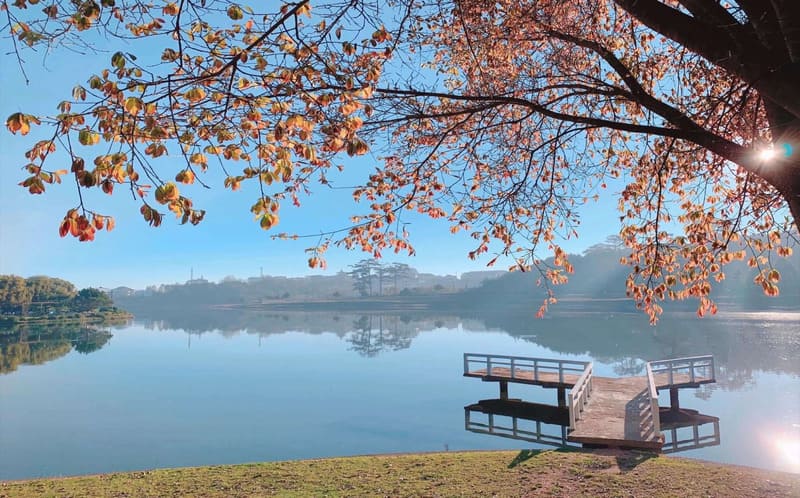
Peaceful lakeside scenery in Da Lat during autumn (Source: Collected)
Autumn overlaps with the floating season in parts of the Mekong Delta, when rising water covers wetlands and fields. An Giang and Dong Thap are particularly suitable for boat trips through cajuput forests, canals and flooded landscapes.
Visitors can observe fishing and harvesting activities, stay in homestays and sample dishes made with freshwater fish, river prawns and seasonal plants. Water levels differ across the region, so routes should be selected according to current local conditions.
Phu Quoc becomes more suitable for beach holidays toward the end of autumn as rainfall gradually decreases. November generally offers more reliable conditions for swimming, snorkeling and island-hopping than September or October.
Long Beach, Ong Lang, Khem Beach and the An Thoi archipelago are among the main destinations. Earlier in the season, rough seas and reduced underwater visibility may affect boat tours, making food experiences, villages and forest attractions useful alternatives.
Northern Vietnam’s rice harvest is one of the season’s main highlights. Terraced fields gradually turn golden before the rice is cut, creating striking landscapes in Mu Cang Chai, Sapa, Hoang Su Phi and parts of Moc Chau.
Mid-September to early October is generally the best period, although ripening times vary by elevation, weather and planting schedule. Morning mist and softer late-afternoon light are especially suitable for photography.
If you’re looking for the best places to see golden harvest scenery, check out our guide to Vietnamese rice paddies and rice terraces.
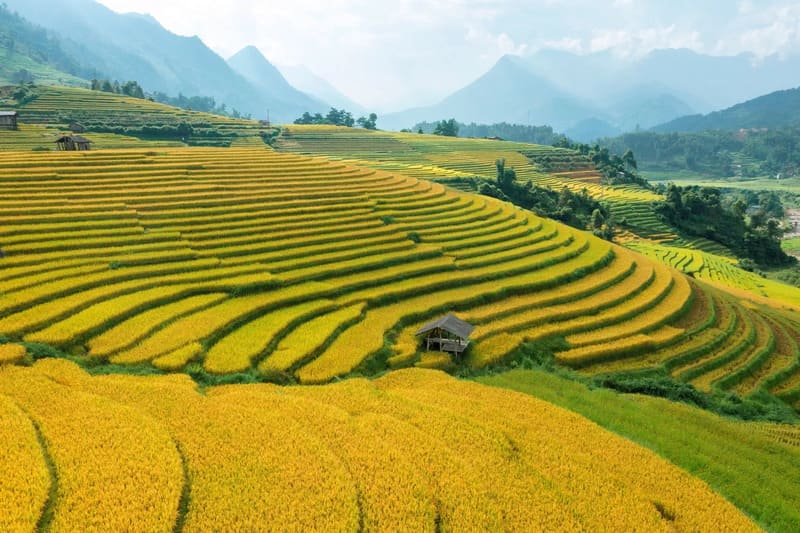
Northern rice terraces glow during harvest season (Source: Collected)
Cooler temperatures make autumn a favorable time for trekking through Sapa, Ha Giang and Mu Cang Chai. Trails cross rice terraces, forests, valleys and ethnic minority villages.
October to early November often provides the most comfortable conditions. September paths may remain muddy, while November can bring cold and foggy mornings. Wear shoes with good grip, carry waterproof layers and use a local guide for remote routes.
Ha Long Bay, Lan Ha Bay and Bai Tu Long Bay offer kayaking, cave visits, swimming and overnight cruises among limestone formations. Lower humidity and milder temperatures often improve the experience in autumn.
September storms may delay departures, while mist can reduce visibility later in the season. Choose an operator with clear cancellation and rescheduling policies, and avoid booking a tight onward connection.

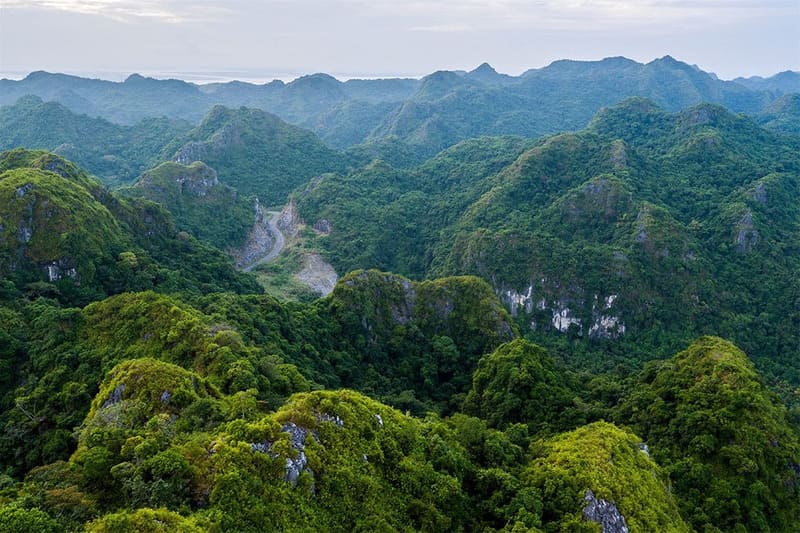
Cruising through Vietnam’s limestone bays in autumn (Source: Collected)
Autumn’s cooler weather is suitable for visiting historic quarters, temples, pagodas and traditional houses in Hanoi, Ninh Binh, Hue and Hoi An.
Hue and Hoi An face higher rainfall and possible flooding, so outdoor visits should remain flexible. Museums, historic residences, cafés and food experiences are useful alternatives during prolonged rain.
Tết Trung Thu falls on the 15th day of the eighth lunar month, usually in September or early October. Celebrations feature lanterns, lion dances, mooncakes and activities for children.
Hanoi’s Old Quarter and Hoi An are popular festival destinations, though events take place nationwide. Evening areas can become crowded, so keep valuables secure, supervise children and respect local religious and family activities.
To learn more about the traditions, celebrations and best places to experience Mid-Autumn Festival Vietnam, explore our detailed guide.
To travel comfortably and avoid seasonal disruptions, consider these practical tips when planning an autumn trip to Vietnam:
Yes. Autumn is one of the best times to visit northern Vietnam, with cooler weather, golden rice terraces and comfortable sightseeing. Central Vietnam is often rainy from September to November, while southern Vietnam becomes drier toward November. Plan your itinerary by region for the best experience.
Top destinations include Mu Cang Chai, Sapa, Hoang Su Phi and Moc Chau. Mid-September to mid-October is usually the best time, although harvest dates vary by weather and altitude. Check local conditions before your trip.
Yes, especially in northern mountain regions, where rice is typically harvested from September to early October. Other parts of Vietnam, including the Mekong Delta, grow multiple rice crops, so harvest times vary.
It depends on your plans:
Yes, but choose your destination carefully. Central beaches such as Da Nang and Hoi An often experience rain and rough seas from September to November. Phu Quoc becomes a better option from late November as rainfall decreases.
Pack lightweight clothing, a light jacket for northern evenings, comfortable walking shoes and a compact rain jacket. If visiting Sapa, Ha Giang or Da Lat, bring an extra warm layer. Sun protection, insect repellent and modest clothing for temples are also recommended.
It varies by region. Northern Vietnam becomes drier after September, Central Vietnam has its wettest season with frequent storms, and Southern Vietnam gradually dries out toward November. Always check the forecast for your destination.
The Mid-Autumn Festival is the main autumn celebration, featuring lanterns, lion dances and mooncakes. Some northern regions also hold harvest celebrations and buckwheat flower festivals, with dates varying by location and year.
We hope this guide helps you plan the perfect autumn itinerary in Vietnam. If you're looking for a more personalized travel experience, Your Vietnam Travel can help create a tailor-made itinerary based on your travel style, preferred destinations and the seasonal weather across different regions, making it easier to enjoy the best of Vietnam in autumn.
Learn more:


 Vietnam Tours
 Cambodia Tours
 Laos Tours
 Thailand Tours
 Multi-Country Tours