Spring in Vietnam typically falls between February and April and is widely regarded as one of the best times to travel. Comfortable weather, seasonal festivals, blooming flowers and favorable conditions across many destinations make it an excellent season for both first-time visitors and returning travelers.
Spring in Vietnam generally lasts from February to April, although weather patterns differ significantly between regions. Northern Vietnam experiences a distinct spring, central Vietnam becomes warmer and drier, while the south remains in its dry season.
Tet follows the lunar calendar, so the festive period may fall in late January or February. For most travelers, March offers the best overall conditions: the north is less cold, central beaches become sunnier, and southern Vietnam remains largely dry.
| Region | Typical Conditions | Temperature | What to Expect |
| Northern Vietnam | Mild, humid and occasionally misty | 15 - 25°C | Drizzle, cool mountain evenings, and changing visibility |
| Central Vietnam | Warm with increasing sunshine | 22 - 30°C | Suitable weather for heritage sites and beaches |
| Southern Vietnam | Hot, sunny and mostly dry | 25 - 34°C | Strong midday sun and higher temperatures in April |
Northern Vietnam sees the clearest seasonal change between February and April. Hanoi, Ninh Binh, Ha Long Bay and the northern highlands gradually become warmer after winter.
February may still be cool and humid, with light drizzle and low cloud around Hanoi. March is generally milder, while April brings warmer afternoons and more sunshine.
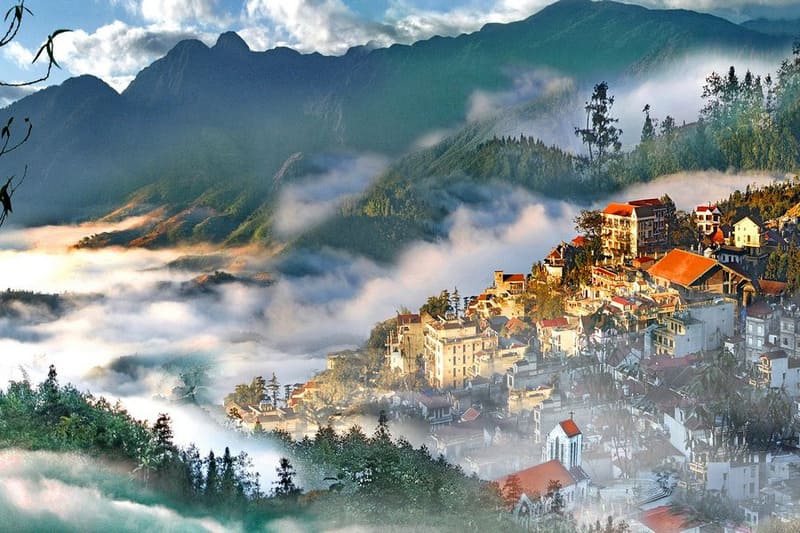
Sapa, Ha Giang and other high-altitude areas remain noticeably colder, especially after sunset. A light jacket is therefore useful even when daytime temperatures are comfortable.
Spring also brings peach, plum, pear and bauhinia blossoms to many northern provinces. Flowering times vary according to altitude and annual temperatures. In some mountain areas, flooded rice terraces create reflective landscapes before planting, although cultivation schedules differ by location.
Ha Long Bay can be visited throughout spring. Mist is common in February and March, while late March and April usually offer a better chance of clearer views.
For more information on where to go and what to experience in the north, explore our Northern Vietnam travel guide.
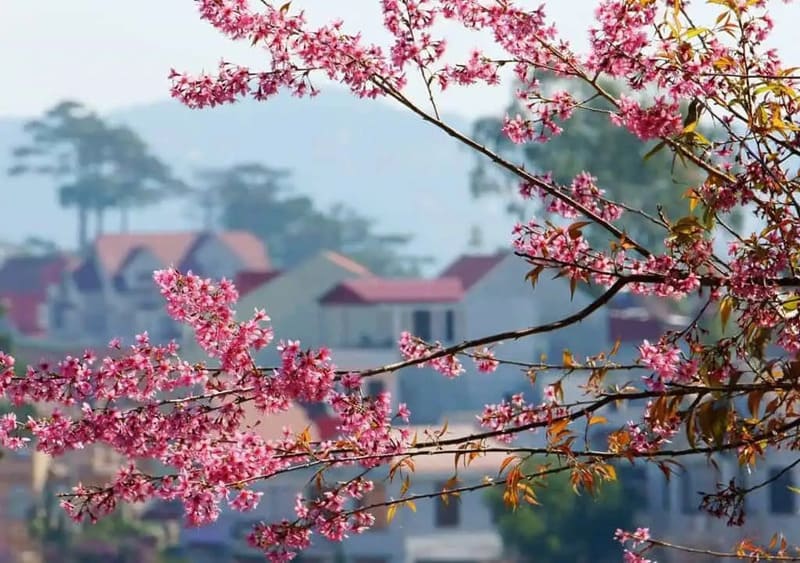
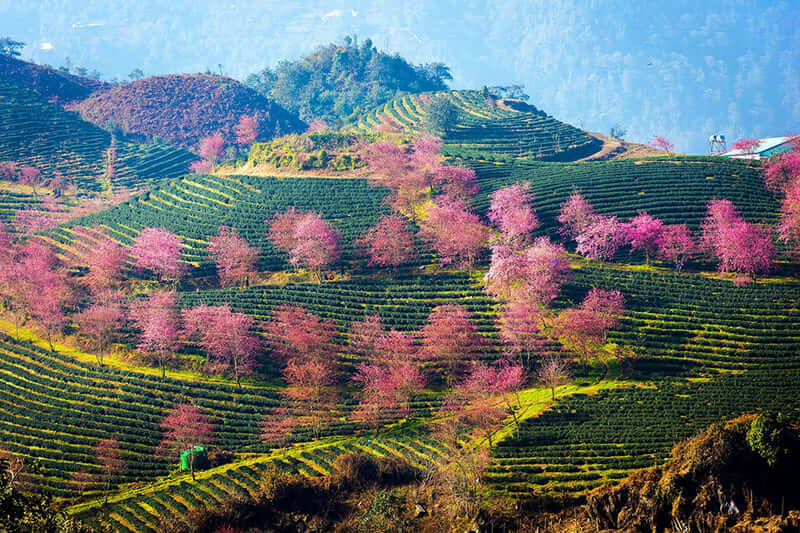
Cherry blossoms bloom across northern Vietnam in spring (Source: Collected)
Spring is one of the most convenient times to visit Hue, Da Nang and Hoi An. Rainfall generally decreases after February, while temperatures remain more comfortable than during summer.
Hue may still experience occasional rain and cooler conditions in early spring. March is better suited to outdoor sightseeing, and April becomes warmer enough for swimming and coastal activities.
In Hoi An, travelers can explore the Ancient Town in the morning, visit nearby villages by bicycle and spend the afternoon at An Bang Beach. Da Nang also becomes sunnier as the season progresses, making My Khe Beach, Son Tra Peninsula and the Marble Mountains easier to visit.
Farther south, Quy Nhon and Nha Trang often receive stable sunshine, particularly toward the end of spring. Sea conditions are generally favorable, but visitors should continue to follow local warning flags and lifeguard instructions.
To discover the best beaches, heritage sites and outdoor activities in the region, explore our Central Vietnam travel guide.
February to April falls within the dry season in southern Vietnam. Ho Chi Minh City, the Mekong Delta and Phu Quoc typically experience sunny days, limited prolonged rainfall and temperatures above 30°C.
The heat becomes more intense from late March, so outdoor activities are best planned for early morning or late afternoon. Lightweight clothing, sunscreen and regular hydration are essential.
The Mekong Delta remains suitable for boat trips, cycling and orchard visits. Floating markets are busiest around dawn, making an early departure necessary.
Phu Quoc usually has calm seas and favorable beach weather during February and March. Temperatures and humidity increase in April, when brief transitional showers may also begin to appear.
If you’re planning a spring getaway in southern Vietnam, our Southern Vietnam guide highlights the best places to visit and things to do.
Spring brings mild temperatures, light drizzle and seasonal flowers to Hanoi, making it easier to explore the city on foot. Begin at Hoan Kiem Lake, then continue through the Old Quarter, Temple of Literature, Imperial Citadel of Thang Long and French Quarter.
Peach blossoms are common around Tet, followed by white sua and purple bauhinia flowers as the weather warms. Pack waterproof shoes and a compact umbrella, particularly in February and March. During Tet, some shops may close and transport schedules can change.
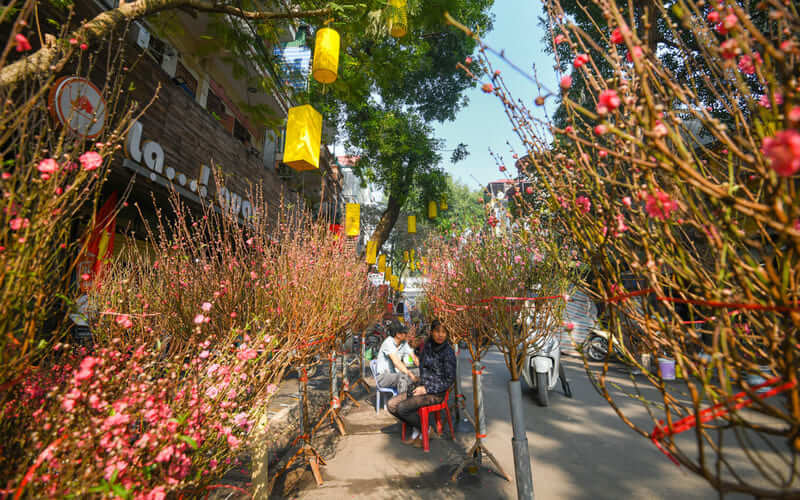
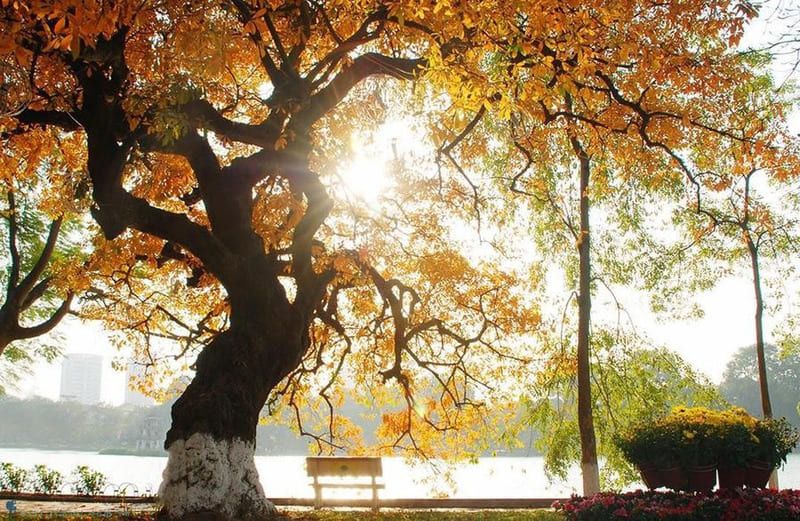
Hanoi feels fresh and colorful during spring (Source: Collected)
Ha Giang is a strong choice for mountain scenery, trekking and ethnic culture. Peach, plum and pear blossoms often appear around Quan Ba, Yen Minh, Dong Van and Meo Vac in early spring, although bloom times vary by altitude and weather.
Popular stops include Quan Ba Heaven Gate, Dong Van Karst Plateau, Ma Pi Leng Pass and the Nho Que River. Cool conditions suit outdoor activities, but fog may reduce visibility on mountain roads. Travelers without riding experience should consider hiring a local driver rather than navigating the Ha Giang Loop independently.
Ninh Binh combines limestone mountains, waterways and religious sites within a compact area. Visitors can take a boat trip through Trang An or Tam Coc, explore Hoa Lu Ancient Capital and Bai Dinh Pagoda, then climb Hang Mua for panoramic views.
Spring is valued for mild weather, temple festivals and green scenery rather than the golden rice fields seen later in the year. Bai Dinh can become crowded during lunar festivals, while morning mist may affect visibility. Boat trips and viewpoint climbs are often clearer later in the day.
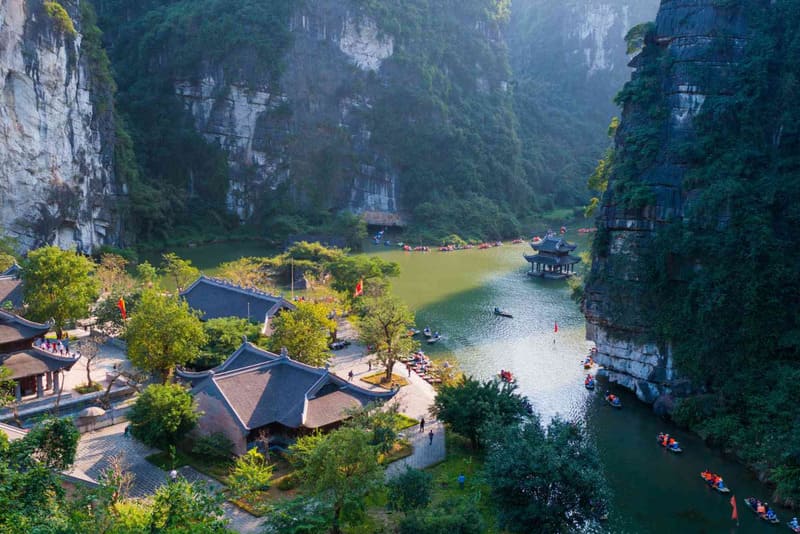
Spring brings soft light and green scenery to Ninh Binh (Source: Collected)
Moderate spring temperatures make Ha Long Bay suitable for cruising, kayaking and cave visits. February and early March are often misty, creating atmospheric limestone views but limiting long-distance visibility. Sunnier conditions become more likely toward late March and April.
An overnight cruise provides more time to reach quieter areas and enjoy the bay at sunrise or sunset. Bai Tu Long Bay and Lan Ha Bay may feel less crowded than central Ha Long Bay. Routes can still change when fog, wind or rough weather affects navigation.
Hue is ideal for travelers interested in Nguyen Dynasty history, traditional architecture and regional cuisine. A typical visit combines the Imperial City with the royal tombs of Minh Mang, Tu Duc or Khai Dinh. Thien Mu Pagoda and the Perfume River can be added to the itinerary.
Cooler spring weather makes the large heritage sites more comfortable to explore. Rain remains possible in February, so avoid placing every outdoor attraction into one tightly scheduled day. Local dishes worth trying include bun bo Hue, banh beo, banh nam and banh khoai.
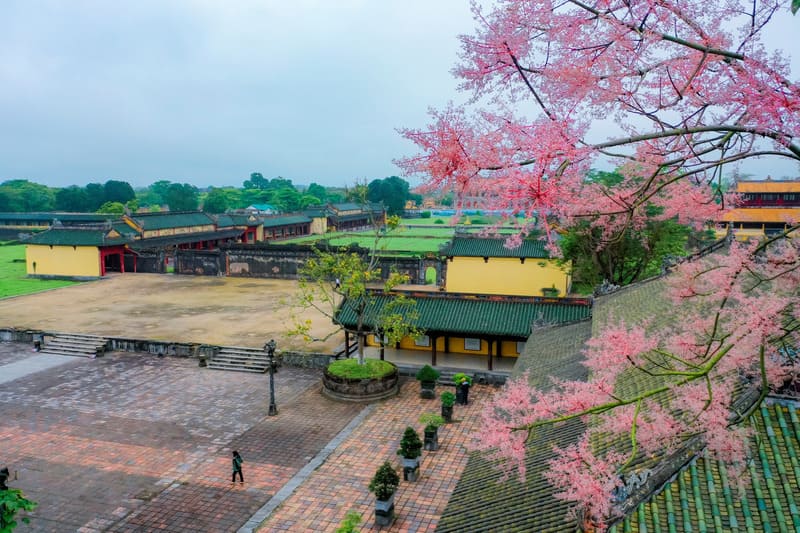
Cool spring days are ideal for exploring Hue (Source: Collected)
Spring supports heritage walks, cycling and beach trips in Hoi An. Explore the Ancient Town in the morning for quieter streets, assembly halls, merchant houses and the Japanese Covered Bridge. Return in the evening for lantern-lit riverside views.
Nearby activities include cycling through Tra Que Vegetable Village, visiting Cam Thanh coconut forest, joining a cooking class or relaxing at An Bang Beach. Lantern events follow the lunar calendar rather than taking place as one annual festival. Accommodation outside the historic center is often quieter and remains within easy cycling distance.
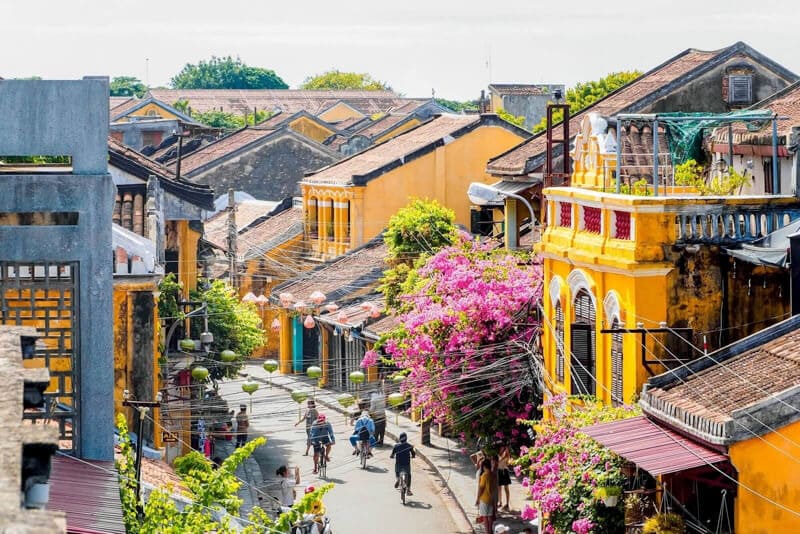
Spring colors brighten Hoi An Ancient Town (Source: Collected)
Da Nang combines beaches, urban attractions and convenient day trips. My Khe Beach suits swimming and relaxation, while Son Tra Peninsula, Linh Ung Pagoda and the Marble Mountains provide viewpoints, nature and religious sites.
The city is also a practical base for Hoi An, My Son Sanctuary and the Hai Van Pass. Three to four days are usually enough to balance the city and surrounding destinations. By April, schedule climbs and long walks before 10:00 AM or later in the afternoon to avoid stronger midday heat.
Da Lat offers cool mornings, dry spring weather and outdoor landscapes shaped by pine forests, lakes and flower farms. Pink cherry-like blossoms may appear around the Lunar New Year, but flowering dates differ each year.
Key attractions include Xuan Huong Lake, Da Lat Railway Station, Truc Lam Zen Monastery and the surrounding coffee farms, greenhouses and strawberry gardens. Bring a sweater or light jacket for evenings. Accommodation should be reserved early during Tet and public holidays.
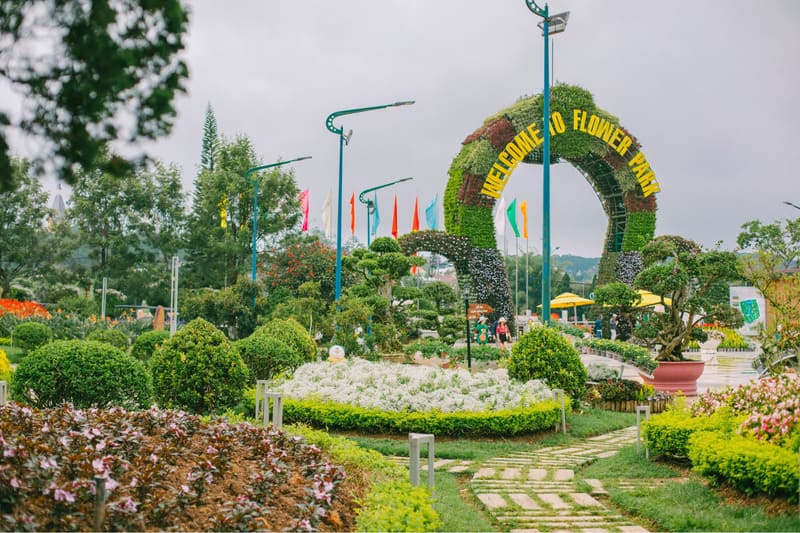
Spring flowers add more color to Da Lat (Source: Collected)
Spring falls within Ho Chi Minh City’s dry season, supporting sightseeing and day trips. Major attractions include the Independence Palace, War Remnants Museum, Central Post Office and the markets, temples and traditional streets of Cholon.
Tet brings flower displays and quieter roads, but many small businesses close temporarily. From late March, afternoon temperatures become intense, so museums, cafés and other indoor attractions are better suited to the hottest part of the day.
The Mekong Delta is known for canals, orchards, riverside communities and local food production. Can Tho is the main hub for visiting Cai Rang Floating Market, which is most active before and shortly after sunrise.
Ben Tre offers coconut-growing villages and narrow waterways, while Chau Doc combines religious sites, borderland culture and Tra Su cajuput forest. Spring is generally warm and dry, so visitors should not expect the flooded landscapes associated with the high-water season. Staying overnight allows more time for early markets and quieter rural areas.
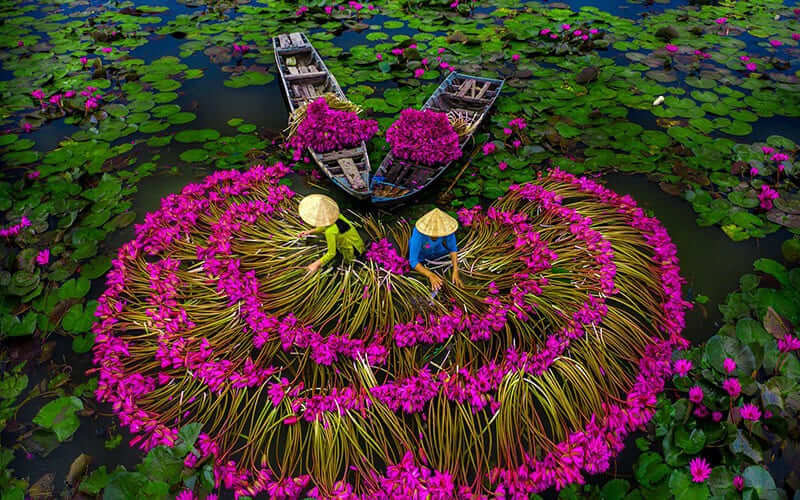
Spring days are warm and peaceful in the Mekong Delta (Source: Collected)
Phu Quoc is one of Vietnam’s most reliable spring beach destinations, particularly in February and March. Warm water, sunshine and calmer seas support swimming, snorkeling and island tours.
Long Beach is convenient for resorts and sunsets, while the north offers forested scenery and less-developed coastlines. Pepper farms, fishing communities, local markets and Phu Quoc National Park provide alternatives to beach activities. Temperatures rise toward April, and occasional showers may appear as the wet season approaches.
Spring is Vietnam’s principal festival season. Many celebrations follow the lunar calendar and focus on ancestral commemoration, village guardian deities, Buddhist pilgrimage, folk performance and prayers for prosperity.
Tet Nguyen Dan is Vietnam’s most important traditional holiday. It marks the beginning of the lunar year and is strongly associated with family reunions, ancestor worship, seasonal foods and wishes for health and prosperity.
In the weeks before Tet, flower markets become prominent across the country. Peach blossoms are particularly associated with northern Vietnam, while yellow apricot blossoms are widely displayed in the south. Kumquat trees also decorate homes, shops and public spaces.
Travelers may encounter streets filled with decorations, gift baskets and temporary markets. Hanoi, Ho Chi Minh City, Hoi An and Hue often organize public displays and cultural activities.
Tet also affects travel logistics. Domestic demand rises sharply, transport tickets sell quickly and accommodation prices may increase. Many restaurants, shops and local services close for several days as families return to their hometowns.
Visiting during Tet can be memorable for travelers interested in Vietnamese culture, but it requires advance planning and flexibility.
To learn more about the traditions, customs and travel considerations during this holiday, explore our guide to Vietnamese New Year.
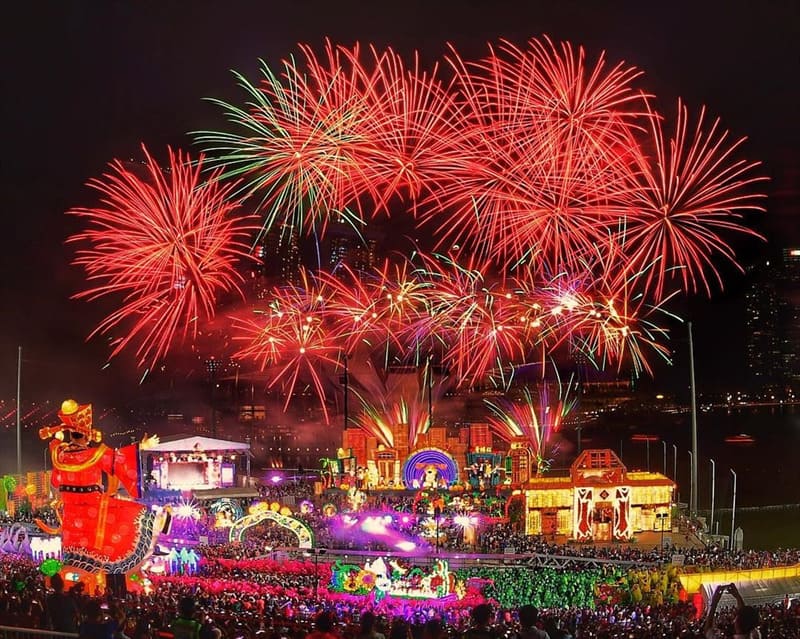
Fireworks light up Vietnam during Tet celebrations (Source: Collected)
The Perfume Pagoda Festival is one of Vietnam’s best-known Buddhist pilgrimage events. It takes place at the Huong Son religious complex in My Duc, outside central Hanoi.
The festival traditionally begins in the first lunar month and continues for several months. Pilgrims travel by small boat along the Yen Stream before walking or taking a cable car toward temples and caves within the mountain complex.
Huong Tich Cave is the principal pilgrimage destination. Visitors encounter incense offerings, Buddhist rituals and a busy festival atmosphere alongside limestone scenery.
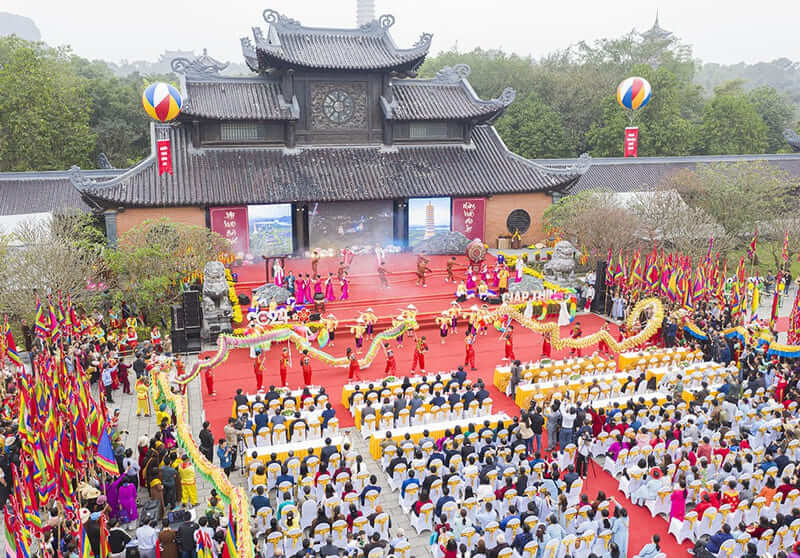
Pilgrims gather for the Perfume Pagoda Festival (Source: Collected)
Hung Kings’ Commemoration Day honors the legendary founders associated with the origins of the Vietnamese nation. The principal ceremonies take place at the Hung Kings Temple complex in Phu Tho Province.
The commemoration occurs on the tenth day of the third lunar month and is recognized as a national holiday. Ceremonies include incense offerings, processions and cultural performances connected with Vietnamese ancestral traditions.
The event provides valuable insight into the importance of ancestor veneration and collective historical identity in Vietnam.
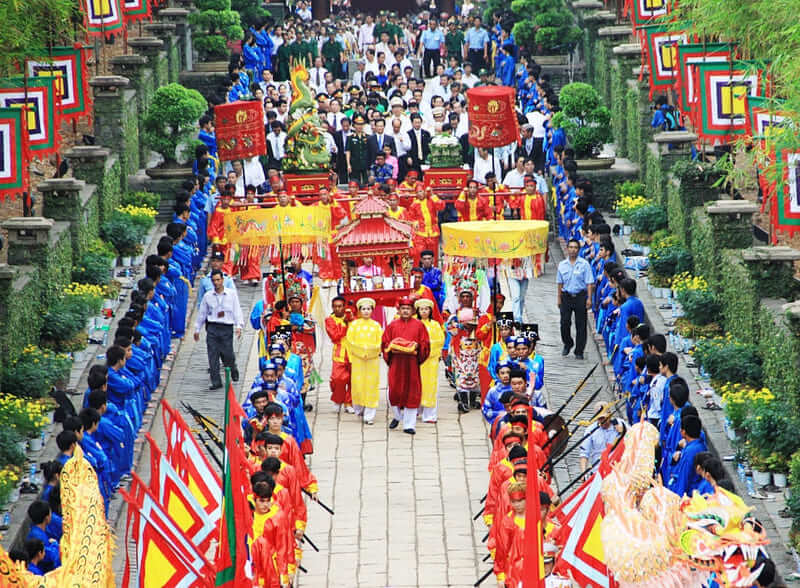
Traditional ceremonies honor Vietnam’s Hung Kings (Source: Collected)
Lim Festival is held in Bac Ninh Province and is closely associated with quan ho, a tradition of antiphonal folk singing recognized as part of Vietnam’s intangible cultural heritage.
The main festival is traditionally organized around the thirteenth day of the first lunar month. Male and female singers perform alternating verses in carefully structured exchanges, often wearing traditional clothing.
Performances may take place on stages, in communal spaces or from boats. Folk games, ceremonial processions and local cultural activities also form part of the festival.
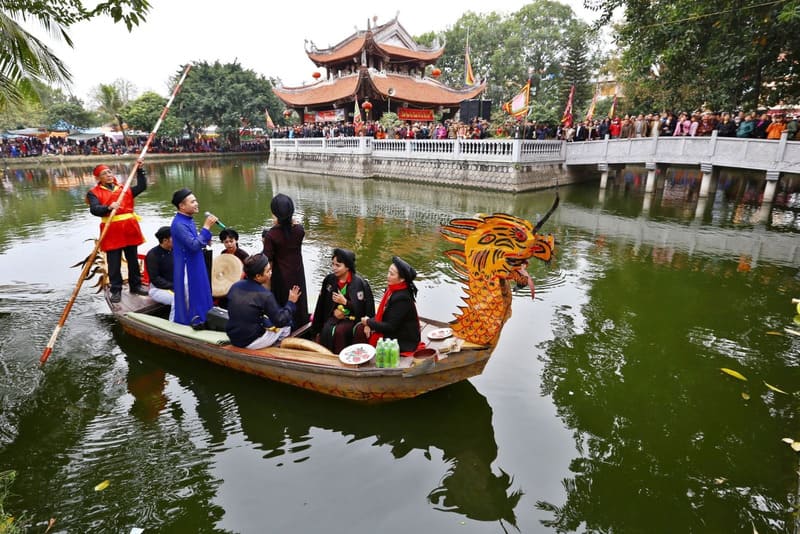
Quan ho singers perform at the Lim Festival (Source: Collected)
Giong Festival honors Saint Giong, a legendary hero who is traditionally remembered for defending the country against invaders. He is regarded as one of the Four Immortals in Vietnamese folk belief.
The two most prominent celebrations are associated with Phu Dong Temple in Gia Lam and Soc Temple in Soc Son, both in Hanoi. They take place at different times according to the lunar calendar and include distinct ceremonies.
Festival activities may involve processions, ritual offerings and symbolic reenactments connected with the Saint Giong legend. The tradition reflects a combination of village worship, historical memory and agricultural belief.
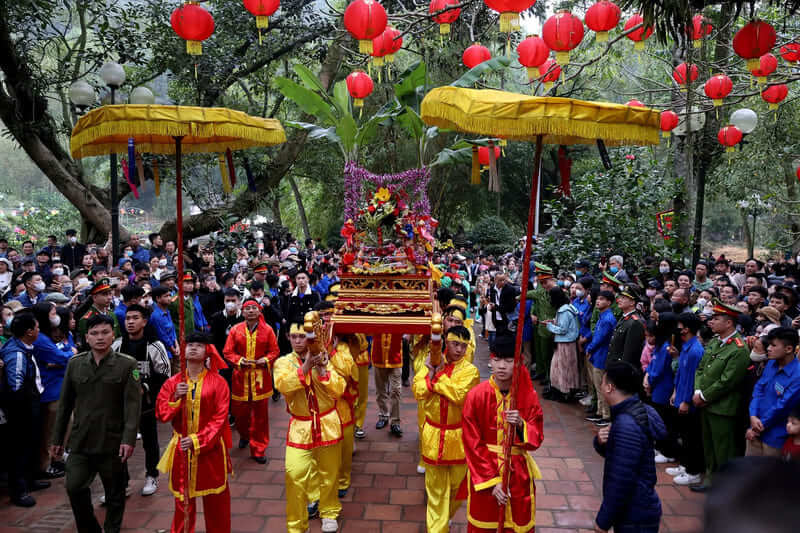
Colorful processions mark Hanoi’s Giong Festival (Source: Collected)
Spring is one of the best times to visit Vietnam, but weather, festivals and public holidays vary by region. These tips will help you plan a smoother trip.
Spring is one of the best periods for a multi-region Vietnam trip. Northern temperatures become milder, central Vietnam enters a sunnier period, and southern destinations remain largely dry. March generally offers the most balanced conditions across the country.
Tet is rewarding for travelers interested in Vietnamese traditions, flower markets and festive decorations. However, transport demand increases and many local businesses close temporarily. Book essential services early and expect modified opening hours.
Wear breathable clothing in central and southern Vietnam. Add a light jacket, long trousers and closed shoes for Hanoi and northern mountain areas. A compact umbrella or lightweight raincoat is useful because spring drizzle and brief showers may occur.
Yes. Central beaches become increasingly favorable from March onward, while Phu Quoc and several southern islands usually enjoy dry-season conditions in February and March. Sea conditions vary daily, so visitors should follow local swimming advisories.
Rain is possible throughout Vietnam, but its pattern differs by region. Northern Vietnam often receives mist and light drizzle, central Vietnam becomes relatively dry, and southern Vietnam generally remains within the dry season until the transition toward May.
March is better for a balanced nationwide itinerary, trekking and comfortable city sightseeing. April is warmer and generally more suitable for beach holidays, although southern Vietnam can become very hot toward the end of the month.
Yes. March and early April are suitable for trekking in Ha Giang, Sapa and other northern areas. Trails may still be wet or slippery after drizzle, and mountain fog can reduce visibility. Proper footwear and flexible scheduling are important.
Seven days are sufficient for one region, such as Hanoi, Ninh Binh and Ha Long Bay. Ten to fourteen days allow travelers to combine northern and central Vietnam. A comprehensive north-to-south journey usually requires at least two weeks.
Yes. Spring is one of the most practical seasons for a north-to-south itinerary because conditions are generally manageable across all three regions. Travelers should still pack for cooler northern weather and tropical heat in the south.
We hope this guide helps you plan a memorable spring trip to Vietnam. From blooming northern landscapes and cultural festivals to sunny central beaches and tropical southern escapes, the season offers something for every traveler. For a tailor-made itinerary designed around your travel style, schedule and interests, contact Your Vietnam Travel to start planning your journey.
Learn more:

 Vietnam Tours
 Cambodia Tours
 Laos Tours
 Thailand Tours
 Multi-Country Tours