Vietnam is known for its extraordinary mix of natural scenery, cultural heritage, and historical landmarks. Across the country, travelers can explore everything from limestone bays and mountain terraces to imperial citadels, ancient towns, and major wartime sites. These landmarks are not only visually impressive but also essential to understanding Vietnam’s identity from north to south.
In this guide, you will find 20+ famous landmarks in Vietnam for your travel itinerary, including must-visit attractions in Northern Vietnam, Central Vietnam, and Southern Vietnam. If you are planning your first trip or looking to refine a multi-region journey, this list will help you identify the places that deserve a spot on your route.
Ha Long Bay stands among Vietnam’s most celebrated natural attractions and holds UNESCO World Heritage status in the Gulf of Tonkin. Its signature scenery comes from nearly 2,000 limestone islands and islets emerging from emerald water, forming one of the country’s most recognizable seascapes.
Seeing the bay by cruise remains the most rewarding option. A day trip covers the essentials, while an overnight cruise gives you time to enter caves, paddle through calm lagoons, and observe floating fishing villages at a slower pace. Sunrise is often the most memorable moment, when light mist softens the karsts and the water reflects the first light of the day.
For a calmer experience, Bai Tu Long Bay offers a similar setting with fewer visitors. Thanks to its accessibility from Hanoi, Ha Long Bay continues to be a core stop on many Northern Vietnam itineraries.
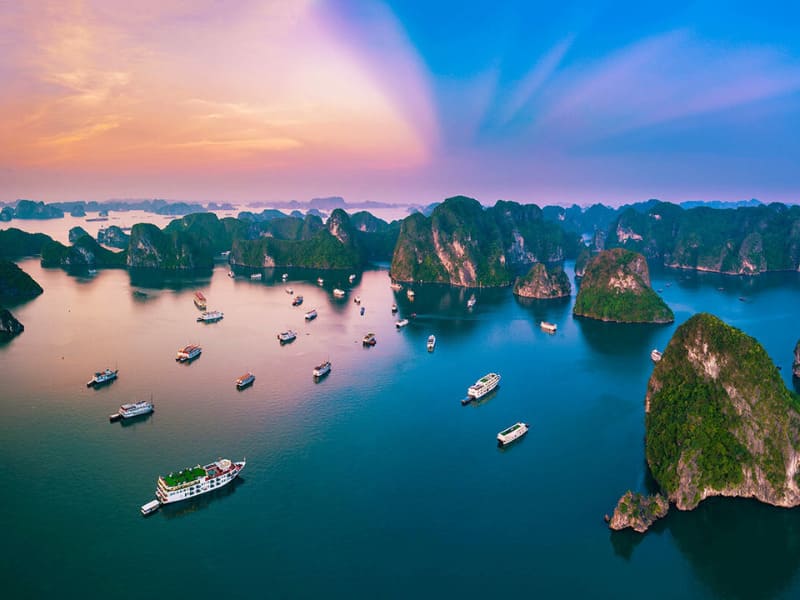
Ha Long Bay, Quang Ninh (Source: Collected)
Hanoi Old Quarter preserves the oldest urban fabric of the capital within a compact area of roughly one square kilometer. Often referred to as the “36 streets,” the neighborhood developed around traditional guild streets, and that trading heritage still shapes its character today.
This is one of the best places to experience everyday city life in Hanoi. The streets are packed with food vendors, local markets, and small shops, creating a lively atmosphere throughout the day. Local specialties such as pho, bun cha, and egg coffee are easy to find and are best sampled in long-standing neighborhood spots.
Train Street brings another layer of curiosity to the area, with railway tracks running through a narrow residential lane lined with cafés. The Old Quarter also sits close to Hoan Kiem Lake, Ba Dinh Square, and the Temple of Literature, making it a practical base for exploring the capital, especially after dark when the night market draws more activity.
To better understand the history and layout of this area, you can explore our detailed guide to the 36 Streets of Hanoi (Old Quarter).
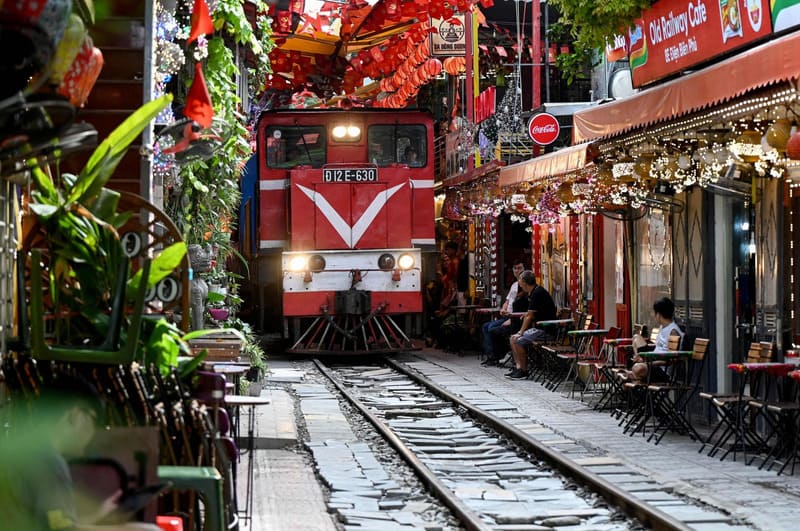
Hanoi Train Street in Old Quarter (Source: Collected)
Set in Ba Dinh Square, the Ho Chi Minh Mausoleum is one of Hanoi’s most significant political and historical sites. It marks the area where President Ho Chi Minh proclaimed Vietnam’s independence in 1945 and now preserves the body of the country’s founding leader inside a monumental granite structure.
A visit here follows a formal atmosphere. Guests are expected to dress modestly, remain quiet, and respect the site’s regulations, including the ban on photography inside. Morning visits are usually the best choice, as queues become longer on weekends and public holidays. Seasonal schedules and maintenance closures should also be checked in advance.
The broader Ba Dinh complex adds more depth to the experience. Nearby sites such as the Presidential Palace and Ho Chi Minh’s stilt house, surrounded by tranquil gardens and plants collected from different regions of Vietnam, help visitors better understand Ho Chi Minh’s life and the country’s modern history.
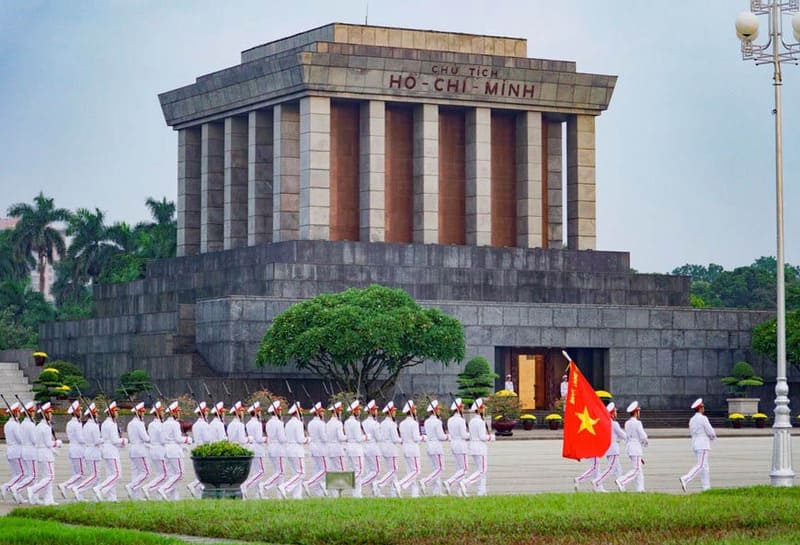
Ho Chi Minh Mausoleum, Hanoi (Source: Collected)
The Temple of Literature is one of Hanoi’s defining cultural sites and an enduring symbol of learning in Vietnam. Founded in 1070 in honor of Confucius, it later became the country’s first national university and remained closely associated with scholarship for generations.
The site is laid out through a sequence of quiet courtyards framed by traditional Vietnamese architecture, mature trees, and preserved historic structures, including Khue Van Cac Pavilion. Among its most notable treasures are the 82 stone stelae placed on turtle statues, which commemorate successful scholars from the Le and Mac dynasties.
Although it sits in the center of Hanoi, the atmosphere inside feels calm and reflective. More than a beautiful monument, the Temple of Literature reveals the country’s intellectual traditions, educational values, and architectural heritage, which is why it remains a standard stop on cultural tours of the city.
For a deeper look at its history and architecture, see our full guide to the Temple of Literature in Hanoi.
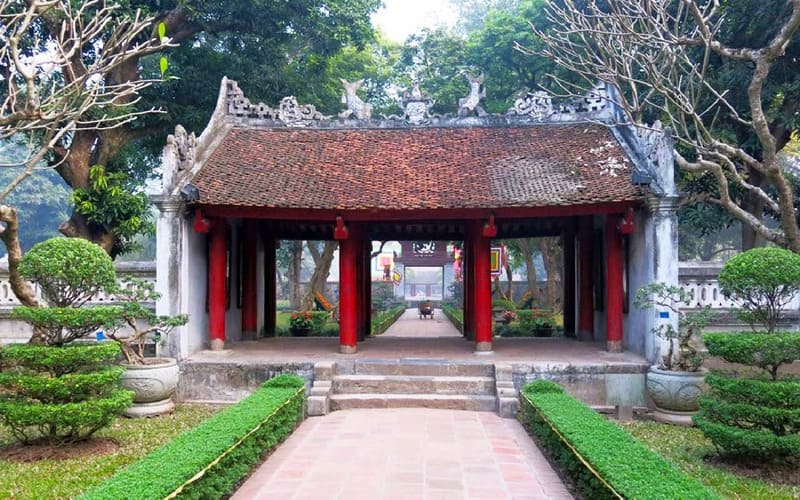
Temple of Literature, Hanoi(Source: Collected)
The One Pillar Pagoda is one of Hanoi’s most recognizable religious landmarks, known for a design that resembles a lotus blossom rising above the water. Built in 1049 during the Ly Dynasty, the pagoda stands on a single stone pillar above a small pond, expressing Buddhist ideas of purity and spiritual renewal.
Its physical scale is small, but its symbolic importance is considerable. Dedicated to Quan Am, the Goddess of Mercy, the pagoda reflects the deep historical connection between Buddhism and Vietnamese spiritual life.
Because it is located within the Ba Dinh complex near the Ho Chi Minh Mausoleum and Ho Chi Minh Museum, it is easy to visit on the same route. The stop is brief, but the pagoda’s unusual structure and long history make it one of Hanoi’s most memorable cultural landmarks.
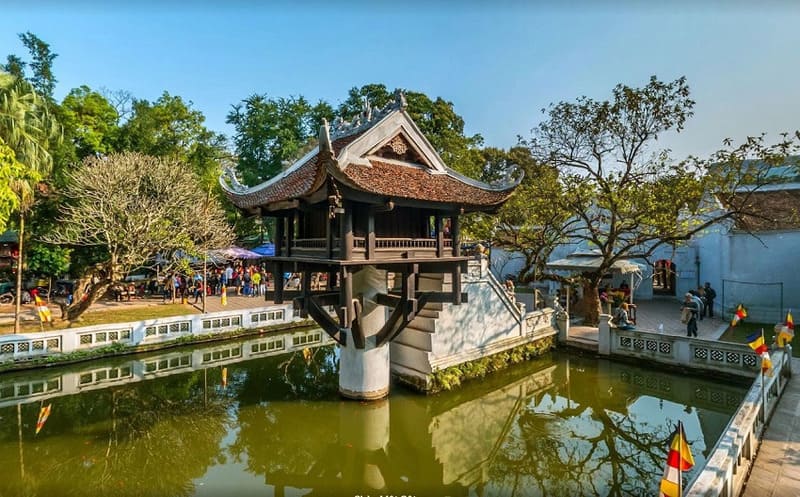
One Pillar Pagoda, Hanoi (Source: Collected)
Trang An Landscape Complex combines dramatic scenery and cultural heritage in one of Ninh Binh’s most remarkable destinations. Recognized by UNESCO, the area is known for its limestone karsts, serene waterways, and cave systems that create a distinctive landscape in Northern Vietnam.
The main activity is a boat trip through narrow river channels, where visitors pass beneath cave tunnels and stop at small temples nestled among the cliffs. The journey is gentle and accessible, yet it still feels immersive thanks to the quiet setting and the scale of the surrounding formations.
Trang An is frequently described as a land-based counterpart to Ha Long Bay. It also sits close to Hoa Lu Ancient Capital, Tam Coc, and Bai Dinh Pagoda, which makes it easy to build a fuller day trip in Ninh Binh. For travelers coming from Hanoi, Trang An offers a strong mix of scenery, heritage, and convenience.
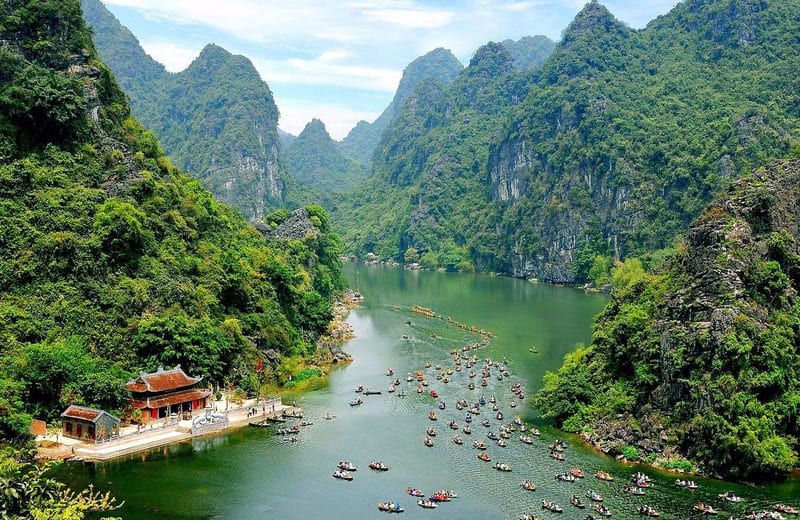
Trang An Landscape Complex, Ninh Binh (Source: Collected)
The Sapa Rice Terraces represent one of the defining landscapes of Northern Vietnam, shaped over generations by ethnic communities in the mountains of Lao Cai. Cut into steep hillsides, these layered fields reflect both practical farming knowledge and the cultural identity of the region.
Some of the most rewarding areas to explore include Muong Hoa Valley, Y Linh Ho, Ta Phin, and Cat Cat Village. Time spent in these places goes beyond scenic viewpoints, offering a closer look at cultivation methods and the daily lives of Hmong and Dao communities.
Season strongly affects the visual character of Sapa. The terraces are bright green during the growing months from May to July, then turn golden around harvest season from September to early October. Both periods are especially appealing for trekking and photography.
To appreciate the region properly, Sapa is best planned as a two- to three-day stay. Trekking remains the most effective way to move beyond the main town and discover the landscapes and villages that define the area.
If you are planning a trip here, check out our Sapa Rice Fields guide for the best viewpoints and trekking routes.
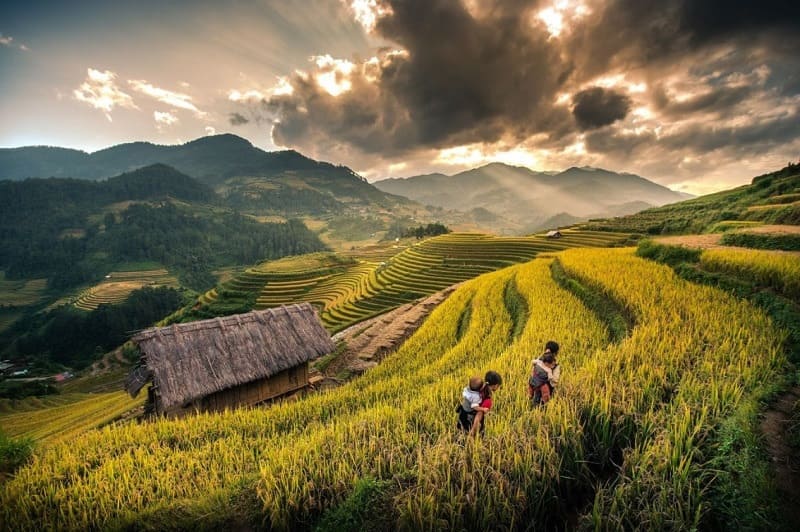
Sapa Rice Terraces, Lao Cai (Source: Collected)
Ban Gioc Waterfall is one of Vietnam’s most spectacular borderland landscapes, located in Cao Bang province along the frontier with China. Supplied by the Quay Son River, the falls descend in several tiers into vivid turquoise water, creating a broad and visually striking cascade.
Its scale gives it a special place among waterfalls in Southeast Asia. While the viewpoints already offer excellent perspectives, a bamboo raft ride brings visitors much closer to the rushing water and makes the experience far more immersive.
The setting around Ban Gioc adds to its appeal, with limestone mountains, rice fields, and quiet countryside reinforcing the sense of remoteness. Compared with more heavily visited destinations, this part of Cao Bang feels less commercial and more peaceful.
Because the waterfall lies far from major urban centers, the trip usually works best with careful logistics or as part of a guided route that includes other attractions in Cao Bang.
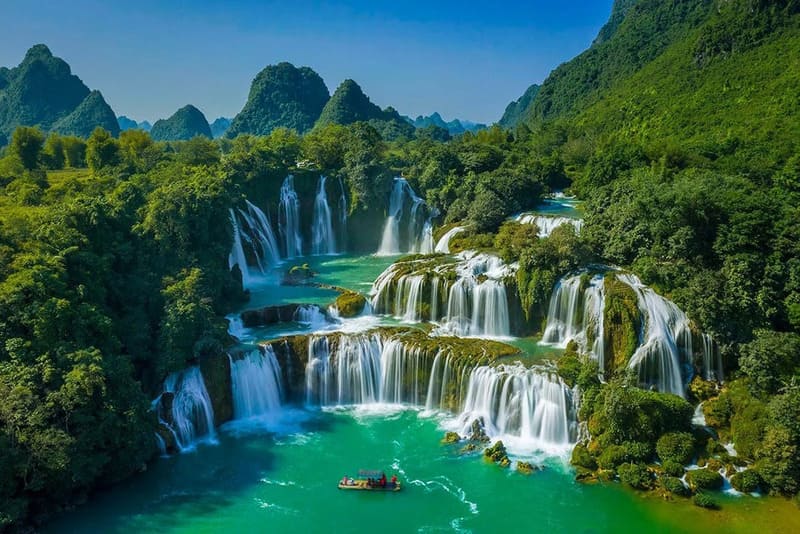
Ban Gioc Waterfall, Cao Bang (Source: Collected)
Hoi An Ancient Town is one of Vietnam’s best-preserved heritage sites and holds UNESCO World Heritage status. Once a thriving international trading port from the 15th to the 19th century, it reflects a blend of Vietnamese, Chinese, and Japanese influences that remain visible in its architecture and urban layout.
The town is compact and easy to explore on foot. Streets are lined with historic merchant houses, assembly halls, temples, and wooden façades painted in warm yellow tones. Landmarks such as the Japanese Covered Bridge, Phung Hung House, and Fujian Assembly Hall highlight different layers of its trading past.
As evening approaches, the atmosphere shifts noticeably. Lanterns light up the streets and riverside, creating a distinctive visual identity that has become synonymous with Hoi An. The monthly lantern festival, held on the 14th day of the lunar calendar, brings a more traditional ambiance to the town.
In addition to its heritage value, Hoi An is a strong culinary destination. Local markets, street food, and cooking classes offer practical insight into Central Vietnam cuisine, making the town both culturally engaging and easy to experience.
You can read our full Hoi An Ancient Town guide for practical tips on what to see, eat, and plan during your visit.
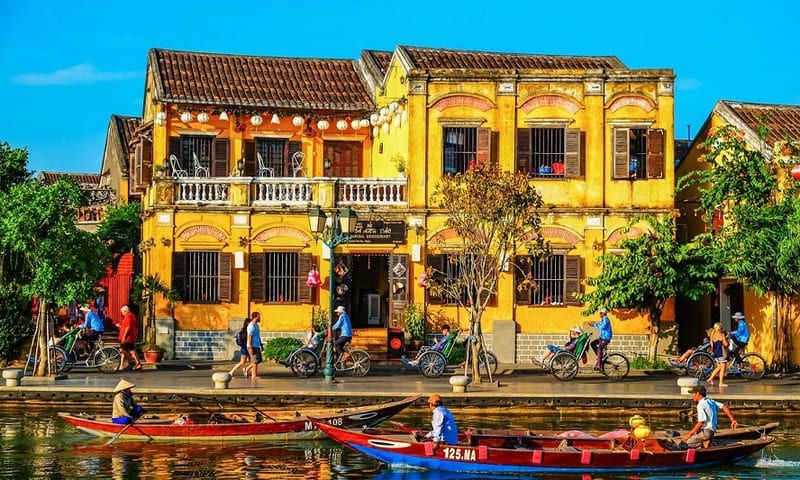
Hoi An Ancient Town, Da Nang(Source: Collected)
Son Doong Cave is recognized as the largest natural cave in the world, located within Phong Nha – Ke Bang National Park in Quang Binh province (now Quang Tri province). Formed by an underground river over millions of years, the cave extends nearly 9 kilometers and contains vast chambers of exceptional scale.
A defining feature of Son Doong is its internal ecosystem. Natural ceiling collapses have created large openings known as dolines, allowing sunlight to enter and support vegetation, rivers, and wildlife within the cave itself.
The environment inside is unlike typical cave systems, with towering stalagmites, expansive caverns, and shifting mist that create a highly distinctive landscape. Due to its sensitivity and scale, access is strictly regulated and limited to small guided expeditions.
Reaching Son Doong requires a multi-day trekking journey with professional support, making it suitable for travelers with good physical condition. Despite the logistical demands, it remains one of the most extraordinary natural experiences available in Vietnam.

Son Doong Cave, Quang Tri (Source: Collected)
Hue Imperial City represents the political and cultural center of the Nguyen Dynasty and is one of Vietnam’s most important UNESCO-listed heritage sites. Enclosed within fortified walls, the complex contains royal palaces, ceremonial halls, temples, and administrative buildings.
The layout reflects traditional Vietnamese planning principles combined with influences from Chinese imperial architecture. Key structures such as Ngo Mon Gate, Thai Hoa Palace, and the Forbidden Purple City illustrate how royal life and governance were organized.
Walking through the citadel provides a structured understanding of Vietnam’s imperial period, from ceremonial functions to daily court activities. Although parts of the complex were damaged over time, restoration efforts have preserved its historical integrity.
The experience extends beyond the citadel itself. Hue’s surrounding landmarks, including royal tombs and the Perfume River, contribute to a broader cultural landscape that defines the city.

Hue Imperial City (Source: Collected)
Thien Mu Pagoda is one of Hue’s most recognizable religious landmarks, positioned along the northern bank of the Perfume River. Its setting combines natural scenery with historical depth, making it a key spiritual site in Central Vietnam.
Founded in 1601 by Nguyen Hoang, the pagoda has been an important center of Buddhist practice for centuries. Its most prominent feature is the seven-story Phuoc Duyen Tower, which has become a visual symbol of Hue.
The surrounding complex includes elements such as a large bronze bell, a stone stele mounted on a turtle, and landscaped gardens overlooking the river. The overall atmosphere is quiet and contemplative, contrasting with the more formal setting of the Imperial City.
Thien Mu is often visited alongside Hue’s royal sites, creating a balanced itinerary that combines history, religion, and landscape.

Thien Mu Pagoda, Hue (Source: Collected)
Khai Dinh Tomb stands out among Hue’s royal mausoleums due to its architectural style and decorative approach. Built for Emperor Khai Dinh in the early 20th century, it incorporates both traditional Vietnamese elements and European design influences.
The structure is positioned on Chau Chu Mountain, with a steep staircase leading up through terraces guarded by stone statues of mandarins, elephants, and horses. This formal approach contrasts with the highly ornate interior.
Inside, the main hall features intricate mosaics crafted from glass and porcelain, along with detailed ceiling artwork and a richly decorated altar. The level of ornamentation differs significantly from earlier Nguyen Dynasty tombs, emphasizing visual detail over scale.
Khai Dinh Tomb is frequently included in Hue itineraries, offering a distinct perspective on how royal architecture evolved during the later period of the dynasty.
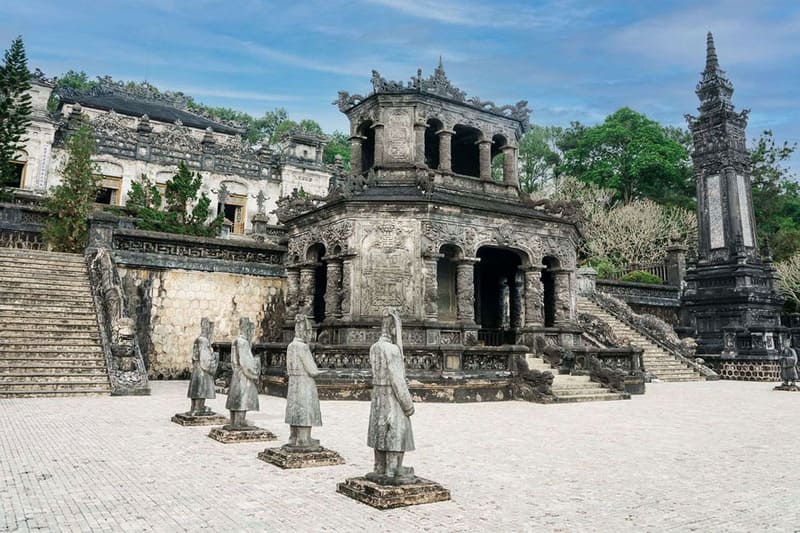
Khai Dinh Tomb, Hue (Source: Collected)
My Son Sanctuary is a UNESCO-listed archaeological site that preserves the remains of the Champa civilization. Located in Quang Nam province (now Da Nang), it consists of a cluster of Hindu temples and towers built between the 4th and 13th centuries.
The structures are dedicated primarily to Shiva and are notable for their red brick construction and detailed carvings. Despite centuries of exposure and historical damage, the site continues to reflect the technical skill and religious significance of the Cham culture.
Set within a jungle valley, My Son offers a different atmosphere compared to coastal or urban landmarks. The natural surroundings contribute to a quieter and more immersive experience, particularly in the early hours of the day.
Its proximity to Hoi An and Da Nang makes My Son a practical half-day excursion, especially for travelers interested in history and ancient architecture.
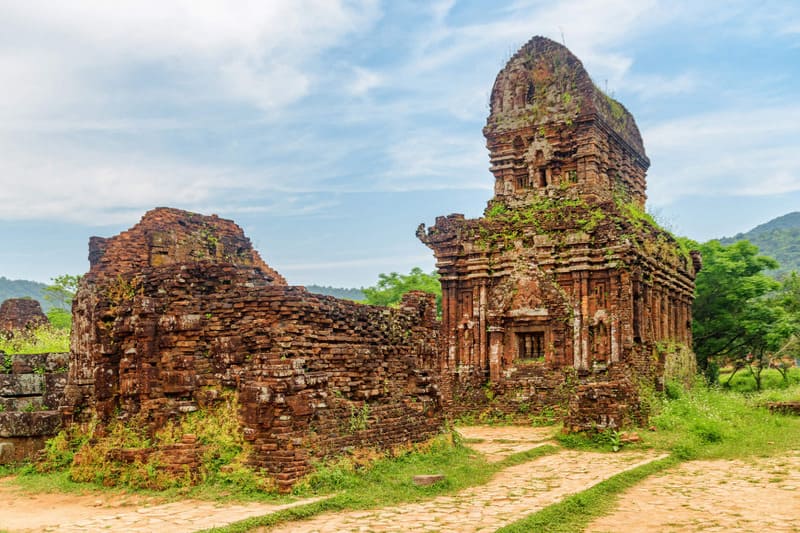
My Son Sanctuary, Danang (Source: Collected)
Golden Bridge is a contemporary landmark located in Ba Na Hills, Da Nang, widely recognized for its distinctive architectural concept. The 150-meter pedestrian bridge appears to be supported by two large stone hands, creating a strong visual impression.
Positioned at a high elevation, the bridge provides wide views over the surrounding mountains and valleys. Access is via a cable car system that connects visitors to the Ba Na Hills complex, which also includes gardens, temples, and recreational areas.
The experience depends heavily on timing and weather conditions. Clear mornings typically offer better visibility and fewer crowds, improving both the view and overall comfort.
Golden Bridge is often included in day trips from Da Nang or Hoi An, combining modern design with scenic landscapes.
For ticket details and the best time to visit, see our Golden Bridge Da Nang guide.
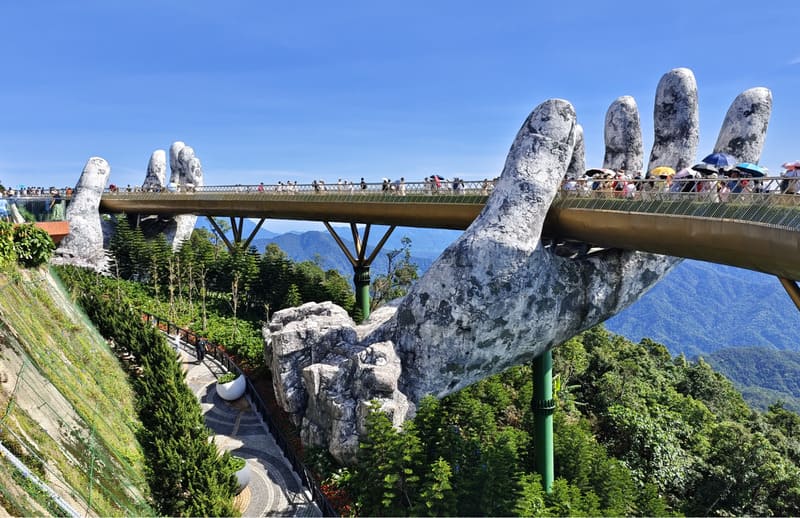
Golden Bridge in Ba Na Hills, Da Nang (Source: Wikipedia)
The Marble Mountains, or Ngu Hanh Son, consist of five limestone hills located just outside Da Nang. Each mountain is associated with one of the five elements: metal, wood, water, fire, and earth, reflecting traditional Eastern philosophy.
The site combines natural formations with religious structures. Inside the mountains, visitors can explore caves, tunnels, and grottoes that house Buddhist shrines and temples carved directly into the rock.
Stone pathways and staircases lead to viewpoints that overlook Da Nang’s coastline and surrounding areas. Thuy Son, the most visited mountain, features key attractions such as Linh Ung Pagoda and several large cave chambers.
At the base, a traditional stone carving village continues local craftsmanship practices. Marble Mountains is suitable for a half-day visit and offers a mix of nature, culture, and light physical activity.
For a more detailed itinerary and travel tips, check our Marble Mountains Da Nang guide.

Marble Mountains, Da Nang (Source: Collected)
Phu Quoc Island is the largest island in Vietnam, located off the southern coast in Kien Giang province (now An Giang province). It is widely known for its laid-back atmosphere, clear waters, and long stretches of sandy beaches, making it one of the country’s top coastal destinations.
Beaches such as Bai Sao and Bai Dai are known for calm seas and soft sand, suitable for swimming and relaxation. Offshore, the surrounding islands offer good conditions for snorkeling and boat trips. Inland, the island features forested areas, small waterfalls, and protected marine environments that add variety beyond the coastline.
Phu Quoc also reflects local economic activities through pepper farms, fish sauce production, and vibrant night markets where seafood is a highlight. At the same time, modern developments such as resorts and entertainment complexes have expanded the island’s appeal.
With direct flight connections from Ho Chi Minh City and Hanoi, Phu Quoc is easy to access and fits well into itineraries focused on beach time and slower-paced travel.
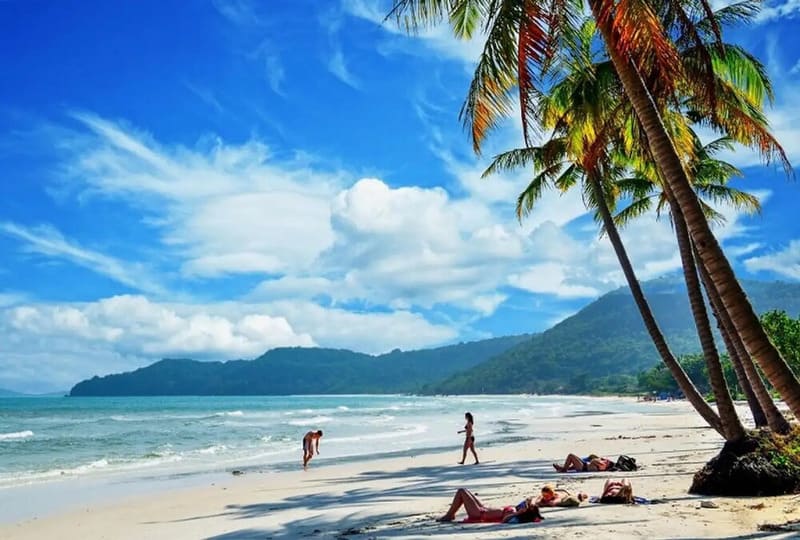
Phu Quoc Island (Source: Collected)
The Mekong Delta forms a vast lowland region in southern Vietnam, stretching between Ho Chi Minh City and the Cambodian border. Defined by an intricate system of rivers and canals, the area is one of the country’s most productive agricultural zones.
Daily life here revolves around water. Boats are widely used for transport, trade, and daily activities, especially in areas where roads are limited. Floating markets such as Cai Rang in Can Tho provide a clear example of this lifestyle, with early-morning trading taking place directly on the river.
Beyond the markets, the delta offers a mix of orchards, rural villages, and small industries such as rice paper production, coconut processing, and aquaculture. The environment supports a distinct food culture centered on freshwater ingredients and tropical fruits.
Trips to the Mekong Delta are typically arranged from Ho Chi Minh City, ranging from short excursions to multi-day journeys that explore different provinces within the region.

Cai Rang floating market in Can Tho (Source: Collected)
The Cu Chi Tunnels are a major historical site located about 70 kilometers northwest of Ho Chi Minh City. This extensive underground system once extended for over 200 kilometers and played a central role during the Vietnam War.
The tunnels were used as living spaces, supply routes, and defensive structures. They supported entire communities underground, including kitchens, storage areas, and medical stations, allowing operations to continue despite external threats.
Today, parts of the network are preserved for visitors. Exhibits and reconstructed areas explain how the system functioned, while selected tunnel sections are open for those who want to experience the confined spaces firsthand.
As a destination, Cu Chi provides a direct and practical understanding of wartime conditions and is commonly included in half-day or full-day trips from Ho Chi Minh City.
You can explore our detailed Cu Chi Tunnels guide to better understand its history and visiting experience.

Cu Chi Tunnels, Ho Chi Minh City (Source: Collected)
Ben Thanh Market is one of the most familiar landmarks in Ho Chi Minh City, recognized by its clock tower and central position in District 1. It has functioned as a trading hub for centuries and continues to reflect the city’s commercial energy.
Inside the market, rows of stalls offer a wide variety of goods, from fresh produce and spices to textiles and souvenirs. It also serves as a convenient place to try local dishes, with many food counters operating throughout the day.
Negotiation is common when shopping, particularly for clothing and handicrafts, making the experience more interactive. Prices are not always fixed, and bargaining is expected.
In the evening, the surrounding area becomes a night market with additional food options and a more relaxed pace. Its location makes Ben Thanh Market easy to include alongside nearby attractions in central Ho Chi Minh City.
For shopping tips and what to eat, see our Ben Thanh Market guide.

Ben Thanh Market, Ho Chi Minh City (Source: Collected)
Reunification Palace is closely linked to a defining moment in Vietnam’s history, marking the end of the Vietnam War in 1975. Located in District 1, it was formerly the residence and workplace of the South Vietnamese president.
The building has been maintained in its original state, allowing visitors to see conference rooms, reception areas, and private quarters as they were used at the time. The layout reflects both administrative and residential functions within a single complex.
One of the most informative areas is the basement, which contains communication equipment, war rooms, and a network of tunnels used for strategic operations. Outside, military vehicles displayed on the grounds help illustrate the historical context.
Due to its central location, the palace is often included in city tours and provides a clear introduction to Vietnam’s modern political history.
For more historical context, read our Independence Palace Ho Chi Minh City guide.

Reunification Palace, Ho Chi Minh City (Source: Collected)
The War Remnants Museum offers an in-depth look at the Vietnam War through curated exhibitions and historical documentation. Since its opening in 1975, it has become one of the most visited museums in the country.
The displays focus on different aspects of the war, including photography, personal accounts, and archival material that highlight its impact on civilians and soldiers. Outdoor exhibits feature military equipment such as aircraft, tanks, and artillery.
The content is direct and can be emotionally intense, but it plays an important role in presenting historical realities. Clear explanations help international visitors understand the context and significance of the exhibits.
Situated in District 3, the museum is easily accessible and is frequently combined with other landmarks in Ho Chi Minh City.
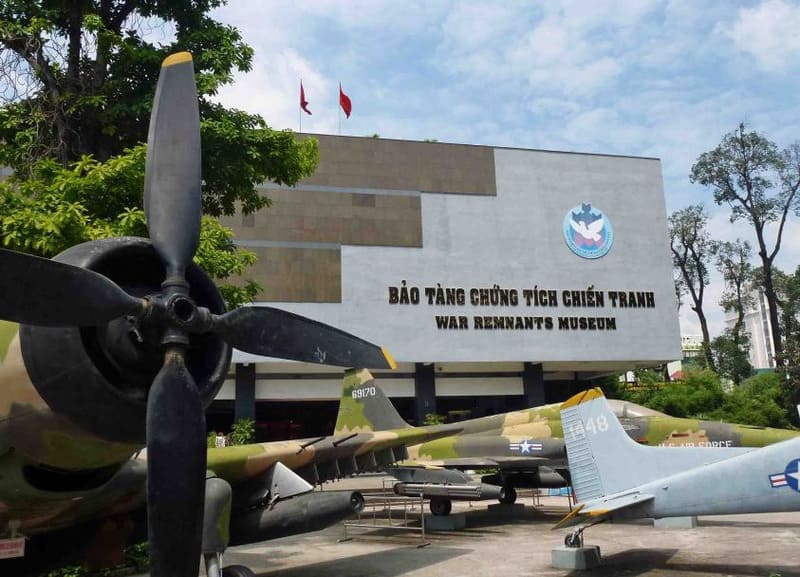
War Remnants Museum, Ho Chi Minh City (Source: Collected)
Mui Ne Sand Dunes present a landscape that differs significantly from other parts of Vietnam. Located in Binh Thuan province (now Lam Dong province) near Phan Thiet, the area is known for wide expanses of sand that resemble desert terrain.
The dunes are divided into two main areas. The White Sand Dunes (Bau Trang) are larger and more open, with rolling sand formations surrounding a freshwater lake. This area is often used for activities such as quad biking and scenic photography.
The Red Sand Dunes are smaller and closer to Mui Ne town, known for their warm tones that become more pronounced at sunset. Sandboarding is a common activity here, especially for short visits.
Mui Ne also offers a mix of coastal scenery, fishing village life, and local cuisine. Its combination of beach and desert-like landscapes makes it a distinctive stop in Southern Vietnam.

Mui Ne Sand Dunes (Source: Collected)
Vietnam has several UNESCO-listed landmarks, including Ha Long Bay, Trang An Landscape Complex, Hue Imperial City, Hoi An Ancient Town, and My Son Sanctuary. These sites represent both natural and cultural heritage across different regions.
For first-time travelers, key highlights include Ha Long Bay, Hanoi Old Quarter, Hoi An Ancient Town, Hue Imperial City, and the Mekong Delta. These destinations provide a balanced introduction to Vietnam’s culture, history, and landscapes.
Hue Imperial City, My Son Sanctuary, Ho Chi Minh Mausoleum, Reunification Palace, and War Remnants Museum are among the most relevant sites for understanding Vietnam’s imperial past and modern history.
The best time depends on the region. Northern Vietnam is ideal from October to April, Central Vietnam from February to August, and Southern Vietnam from December to April. Planning by region helps avoid heavy rain and extreme heat.
A well-paced itinerary typically requires 10 to 14 days to cover key landmarks across North, Central, and South Vietnam. Shorter trips can focus on one or two regions for a more relaxed experience.
Domestic flights are the fastest option for long distances between Hanoi, Da Nang, and Ho Chi Minh City. Trains and private transfers are suitable for scenic routes and shorter regional travel.
Most cultural and historical landmarks charge entrance fees, especially UNESCO sites and museums. Natural attractions may also require tickets or guided tour fees, but prices are generally affordable compared to other destinations in Southeast Asia.
Guided tours are recommended for historical sites such as Cu Chi Tunnels, Hue Imperial City, and My Son Sanctuary. They provide context, save time, and improve overall understanding of the destination.
Many landmarks such as Hanoi Old Quarter, Hoi An, and Ben Thanh Market can be explored independently. Remote or complex sites like Ha Long Bay, Mekong Delta, or Son Doong Cave are better visited through organized tours.
A well-rounded itinerary should combine natural landmarks (Ha Long Bay, Sapa), cultural heritage (Hue, Hoi An), and urban experiences (Hanoi, Ho Chi Minh City). This approach helps create a balanced and efficient travel plan.
Vietnam’s famous landmarks offer a well-rounded mix of nature, culture, and history across every region. Planning your route carefully will help you experience more in less time and avoid unnecessary travel gaps.
If you want a well-structured itinerary that includes the best landmarks in Vietnam, contact Your Vietnam Travel to get a customized tour plan designed around your schedule, interests, and travel style.

 Vietnam Tours
 Cambodia Tours
 Laos Tours
 Thailand Tours
 Multi-Country Tours